Leaks at fittings: what a fix costs
Understand the repair costs when your pool leaks at fittings. We break down pricing by surface type and fitting damage.
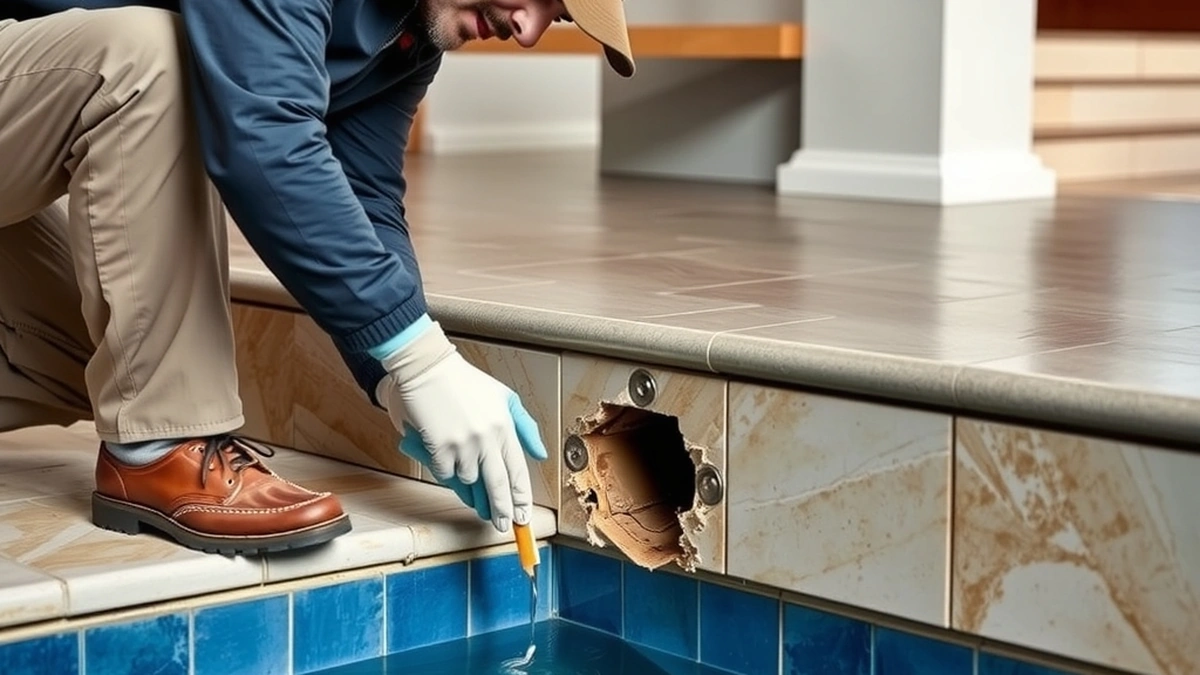
Leaks at fittings typically cost between $1,500 and $5,000 to repair, depending on whether you need tile replacement or surface patching. Surface life and water chemistry should dictate your priorities over price.
- Typical range
- Varies by system and site
- First step
- Measure the space and confirm the load
- Professional help
- Recommended for structural or electrical work
Some links on this page are affiliate links.If you buy through them we may earn a commission at no extra cost to you. We do not accept payment for rankings. Read the full disclosure.
Leaks at pool fittings are common problems that can escalate quickly if ignored. Fixing them requires understanding both the immediate repair and how the leak interacts with your pool’s surface. For homeowners considering pool resurfacing, knowing what a fitting leak fix actually costs prevents budget surprises.
Understanding the True Cost of Fitting Leaks
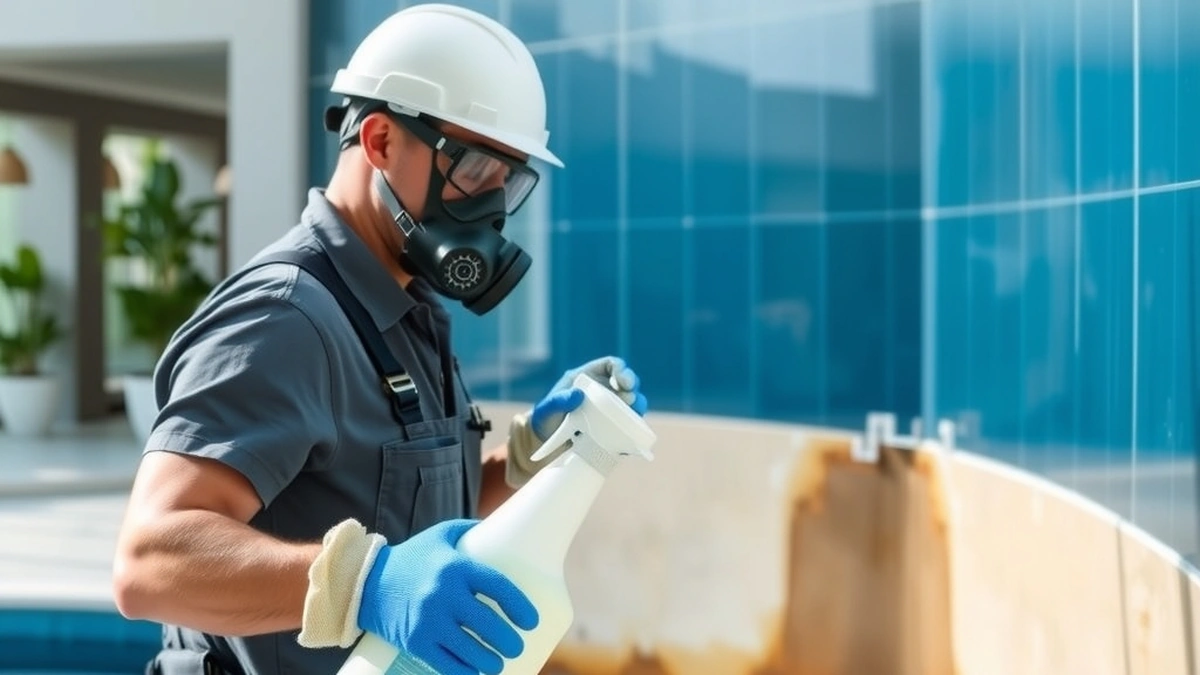
Leaks at pool fittings are among the most misunderstood repair issues. Many pool owners assume a fitting leak means a simple hose clamp or rubber gasket replacement. While these quick fixes exist, they rarely address the underlying structural damage. A fitting leak can introduce contaminated water into your pool, drastically altering water chemistry and causing rapid surface deterioration. Before budgeting for any pool resurfacing project, you must understand the actual cost of fixing the leak itself.
The Financial Impact of Water Loss
To calculate the true cost of a fitting leak, you must first quantify the water loss. Consider a standard residential pool that measures 16 feet by 32 feet with a shallow end depth of 4 feet and a deep end depth of 9 feet. This volume holds approximately 530,000 gallons of water. If a fitting leak drips steadily at a rate of two drops per second, the loss amounts to roughly 1.5 gallons per day. Over a month, this equates to about 45 gallons wasted. However, if the fitting is cracked and leaks continuously, the water loss accelerates rapidly. Replacing this lost water requires purchasing fresh water, which costs approximately $0.005 per gallon, meaning a steady leak can cost hundreds of dollars monthly just to replenish the water volume, not including the chemical adjustments required to balance the altered water parameters.
When Leaks Demand Surface Repairs
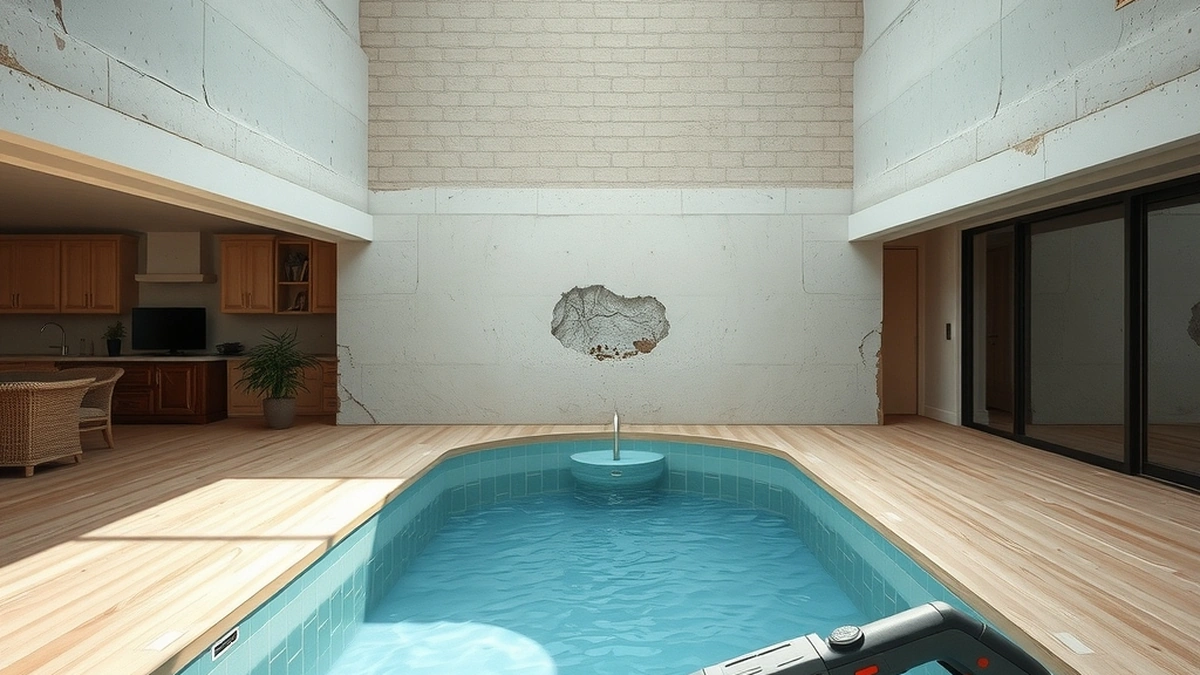
Sometimes, a fitting leak is merely a symptom of a larger problem beneath the surface. Hairline cracks in the plaster or delaminated fibreglass can allow water to wick down into the structural substrate. If the fitting leak has compromised the integrity of the pool shell, simply replacing the fitting is insufficient. You may need to perform a partial resurface of the affected area. The cost of this structural repair depends heavily on the original surface installed. For instance, if your pool originally had white plaster, a localized patch and reapplication might cost between $4,000 and $10,000. If the damage extends into the fibreglass overlay, the repair range expands to $5,000 to $12,000. In these scenarios, the fitting leak fix is inextricably linked to the resurfacing cost.
Tile Replacement Around Fittings
The most common fitting leaks occur around drain pipes, skimmer outlets, and underwater lights. These areas are notoriously difficult to access and require precise tile replacement. Contractors typically measure the damaged perimeter in square feet to estimate the tile and labor costs. A standard drain fitting junction might require 2 to 4 square feet of ceramic tile replacement, along with new grout. Because labor is intensive, the total cost for tile replacement usually falls between $1,500 and $5,000. High-end pools with complex geometric tile layouts near fittings can push this estimate toward the upper end of the range. Always get multiple quotes, as tile selection and color matching significantly influence the final price.
Water Chemistry First: Preparing the Surface
As a rule for pool resurfacing, water chemistry and surface condition must be addressed before worrying about the bottom line. A fitting leak that introduces heavy metal ions or excessive chlorides will ruin a newly resurfaced surface within months if left uncorrected. Before applying any new surface layer, the water must be properly balanced. An acid wash is sometimes recommended to remove stains and level the pH, but it is not a resurface. Acid washing costs between $400 and $800 and only cleans the existing surface without applying new material. Using this step correctly ensures that the new surface you install will last longer and resist future fitting leaks.
Repair Cost Estimates by Surface Type
The cost to fix a fitting leak varies dramatically based on the existing surface. Below is an estimate breakdown for structural repairs necessitated by fitting damage:
| Surface Type | Repair Cost Range | Typical Application |
|---|---|---|
| White Plaster | $4,000 - $10,000 | Standard residential pools requiring patching |
| Fibreglass Overlay | $5,000 - $12,000 | Reinforcing cracked areas or older plaster |
| Quartz Aggregate | $6,000 - $12,000 | Custom pools needing specialized patching |
| Pebble Finish | $8,000 - $15,000 | High-end pools with premium surface requirements |
Step-by-Step Approach to Fitting Leak Repairs
When addressing a fitting leak, a systematic approach saves both time and money. Follow these steps to ensure you do not overpay for unnecessary resurfacing:
- Inspect the fitting thoroughly. Check for corrosion, cracking, or shifting in the concrete coping or pipe connections.
- Seal the fitting externally. Apply a marine-grade epoxy or plumber’s putty to stop the immediate water flow.
- Test for water loss. Run the pump for 48 hours and measure the drop in water level to confirm the leak is fully sealed.
- Assess the subsurface damage. Determine if the leak has caused delamination or cracking in the underlying surface.
- Determine the repair scope. Decide whether a minor patch or a full resurface is necessary based on the subsurface assessment.
Avoiding Contractor Upselling Pitfalls
Contractors often try to upsell expensive full resurfaces when a fitting leak only requires targeted repair. As a consumer, you must advocate for the minimum viable fix. If the fitting is simply leaking water and the surface underneath is intact, a tile replacement or epoxy seal will suffice. Save your budget for a proper resurfacing project only when structural failure is evident. Comparing quotes from independent contractors ensures you avoid paying premium prices for services you do not need. For guidance on selecting the best resurfacing options, refer to best pool resurfacing.
Making the Final Decision
Deciding whether to fix the fitting leak now or wait for a full resurface depends on the severity of the damage. If the leak is isolated and the surface is sound, spending $1,500 to $5,000 on tile replacement is logical. If the leak has destabilized the entire pool shell, a resurface might be unavoidable, bringing the total cost to $4,000 to $15,000 depending on the chosen finish. Always prioritize water chemistry and surface integrity. A flawed fitting leak paired with poor water chemistry will guarantee a shorter lifespan for any new surface. By evaluating the specific needs of your pool rather than just the fitting, you protect your investment and avoid paying for unnecessary resurfacing. For more details on what constitutes a legitimate resurface versus a simple repair, visit our guide on how much pool resurfacing costs.
Next, compare how much does pool resurfacing cost, pool resurfacing installation, pool resurfacing repair before you commit.
Frequently asked questions
What causes leaks at pool fittings?
Corrosion, shifting concrete, or seal degradation around drain pipes, skimmer outlets, and light fixtures.
How much does tile replacement for a fitting leak cost?
Tile replacement typically runs between $1,500 and $5,000, depending on the size of the damaged section and grout work required.
Is acid washing a resurface?
No, acid washing is not a resurface; it costs between $400 and $800 and only cleans existing plaster without applying new material.
Does fibreglass overlay affect fitting leak repairs?
Yes, fibreglass overlay costs range from $5,000 to $12,000, which can increase the overall repair budget if structural patching is needed.
What is the cheapest fitting leak repair option?
Acid washing ($400-$800) is the cheapest, but it does not address fitting leaks and is purely a cleaning treatment.
Should I resurface before fixing a fitting leak?
Surface life and water chemistry matter first; if the surface is failing, fixing the fitting alone may not solve the underlying water chemistry issues.
Sources
Some links are affiliate links.If you buy through them we may earn a commission at no extra cost to you. We do not accept payment for rankings. Read the full disclosure.