
Problems guides
What goes wrong for pool resurfacing.
Symptoms first, quotes second
Most expensive pool resurfacing mistakes start with a symptom described to a salesperson. The table maps the common symptoms to their usual cause — the diagnosis a contractor should confirm before quoting.
| Symptom | Usual cause |
|---|---|
| Rough or pitted plaster | Age and water chemistry |
| Staining | Metals, algae or organic debris |
| Delamination | Poor bond or moisture |
| Leaks at fittings | Cracked plaster around returns |
| Calcium scaling | High pH and hardness |
What to document
- Photographs with something for scale, taken at the same angle over time.
- Dates: when it started, whether it changes with weather.
- Water: where it goes, where it pools, what it damages.
- Previous work: who did it, when, and with what material.
What not to do first
Do not accept a repair scope before the cause is named. Patching a symptom is how the same problem returns next season with a bigger invoice. The methods hub explains what each fix addresses; the cost hub shows what it should cost.
When is it an emergency?
When water is entering the structure, when something is structurally unstable, or when a safety system has failed. Everything else can wait for a second opinion.
Should I get an independent inspection?
For anything structural or over about $5,000, yes. A few hundred dollars for an independent report is cheaper than a wrong scope.
All problems guides
Calcium scaling: how to prevent it with saturation control
Prevent scale by holding pH at 7.2 to 7.8, calcium at 250 to 400 ppm, and alkalinity at 80 to 120 ppm, and by managing evaporation and fill water hardness.
Read the guide →
Calcium scaling: repair options for tile and plaster
Scale is removed with a chemical treatment at $40 to $150, a professional descale at $300 to $700, or a drain and blast at $600 to $1,200. What works where.
Read the guide →
Calcium scaling: warning signs on tile, plaster, and water
A rough white film at the waterline, cloudy water, and a heater that rumbles are the signs of calcium scale. How to tell scale from etching and staining.
Read the guide →
Delamination: how to prevent plaster lifting from the.
Prevent delamination with balanced water, controlled draining, a proper bond at application, and no thermal shock. What breaks the bond and what it costs.
Read the guide →
Delamination: repair options from patching to chip-out
Delaminated plaster is patched at $300 to $800 if it is local, or removed and replaced at $5,500 to $10,000. Why a bond coat over a hollow area always fails.
Read the guide →
Delamination: warning signs
Delamination: warning signs: practical numbers, costs, and trade-offs, written independently.
Read the guide →
Fibreglass maintenance: keeping gelcoat sound
The chemistry targets, brushing routine, and gelcoat care that carry a fibreglass pool finish to 15 years, plus the habits that cause blisters and chalking.
Read the guide →
Fibreglass problems: blisters, crazing, lifting
Osmotic blisters, gelcoat crazing, chalking, and lifting edges on fibreglass pool finishes, with the causes, the checks that confirm each, and repair costs.
Read the guide →
Leaks at fittings: how to prevent them from starting
Prevent fitting leaks by renewing gaskets, sealing evenly, keeping chemistry in range, and winterising the lines. A $150 to $400 seal beats a $5,000 rebuild.
Read the guide →
Leaks at fittings: repair options and what each one fixes
A fitting leak is fixed with a gasket at $150 to $400, a fitting replacement at $250 to $600, or tile work at $1,500 to $5,000. Where the water actually goes.
Read the guide →
Leaks at fittings: the warning signs and the bucket test
Water loss, air in the pump, wet spots by the skimmer, and soft plaster around a fitting are the signs of a leak. How the bucket test confirms it in 24 hours.
Read the guide →
Pebble maintenance: a realistic weekly routine
The water targets and brushing routine that keep a pebble pool finish at its 15 to 20 year life, plus the habits that shorten it and the costs to avoid.
Read the guide →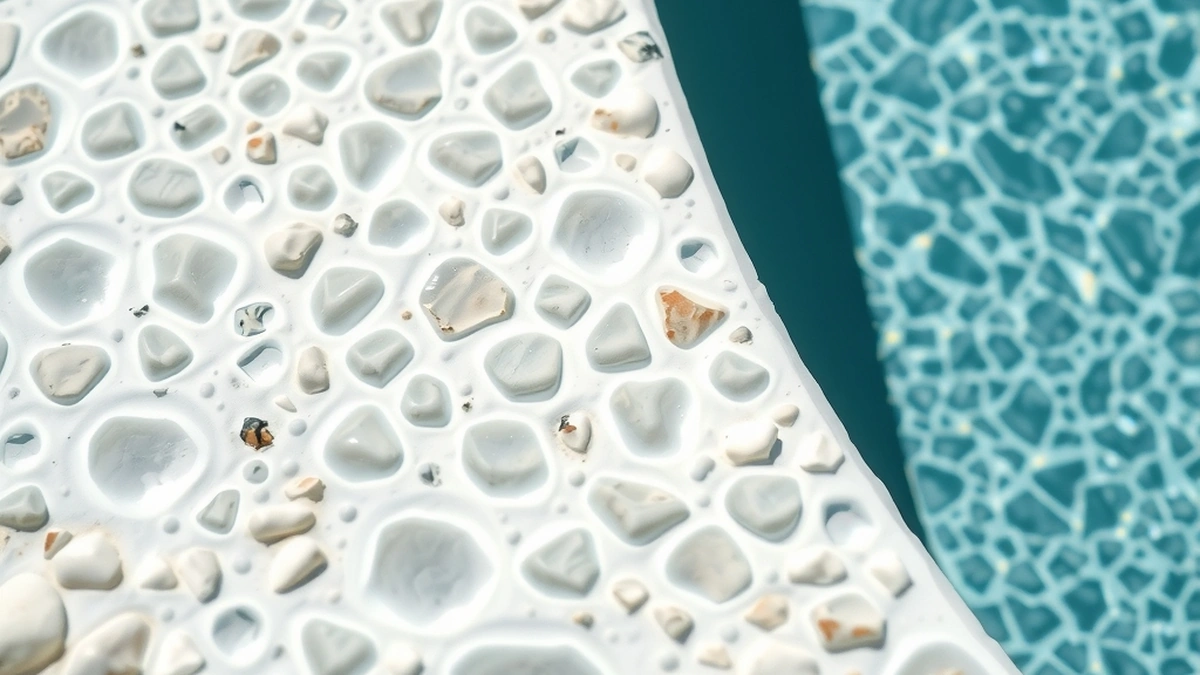
Pebble problems: what actually fails and why
Rough patches, calcium nodules, mottling, stone loss, and algae in the aggregate: the real pebble pool problems, their causes, and what fixes each.
Read the guide →
Plaster maintenance: the routine that reaches 12 years
Water chemistry targets, brushing, and acid wash timing for a plaster pool, and the habits that decide whether the finish lasts 7 years or 12.
Read the guide →
Plaster problems: what each symptom means and costs
Etching, scaling, delamination, cracks, and mottling in pool plaster, what causes each one, and when a repair is worth doing.
Read the guide →
Quartz maintenance: the first month and after
Water targets, brushing, and acid wash rules for a quartz pool finish, and the habits that decide whether it lasts 10 years or 15.
Read the guide →
Quartz problems: mottling, grit, cracks, and fixes
The problems quartz pool finishes actually develop, what causes each one, what repair costs, and which complaints are normal rather than defects.
Read the guide →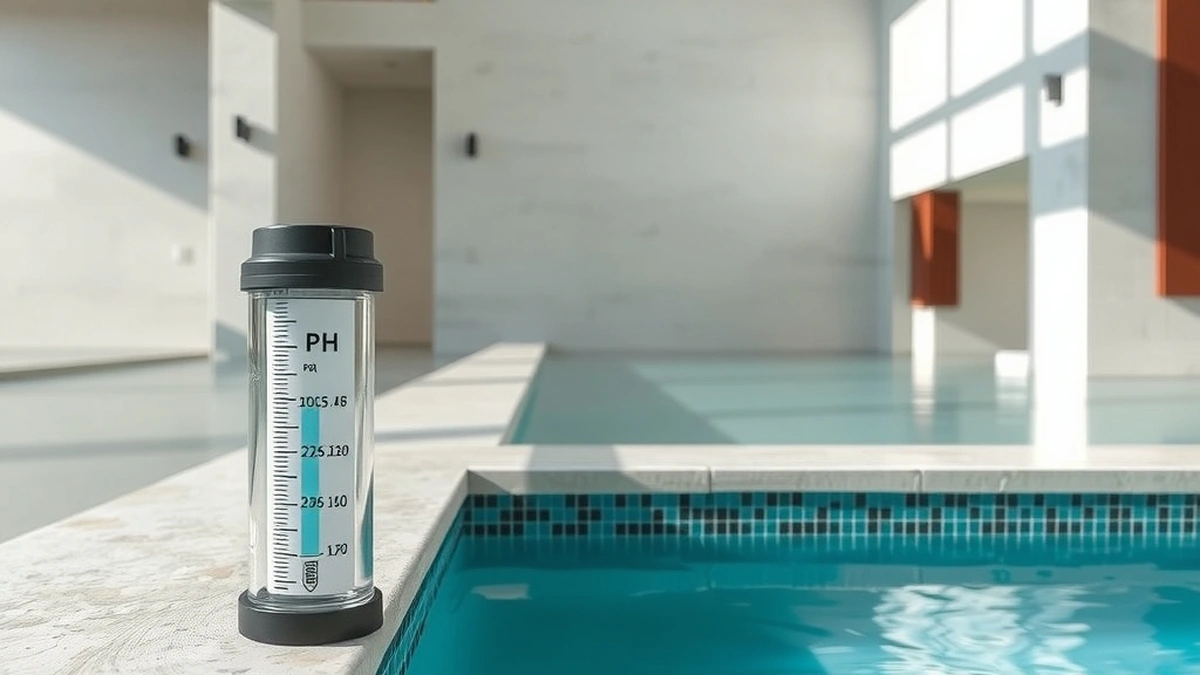
Rough or pitted plaster: preventing the dissolution
Rough plaster comes from aggressive water dissolving the cement. Keep pH at 7.2 to 7.8, alkalinity at 80 to 120 ppm, and calcium at 250 to 400 ppm.
Read the guide →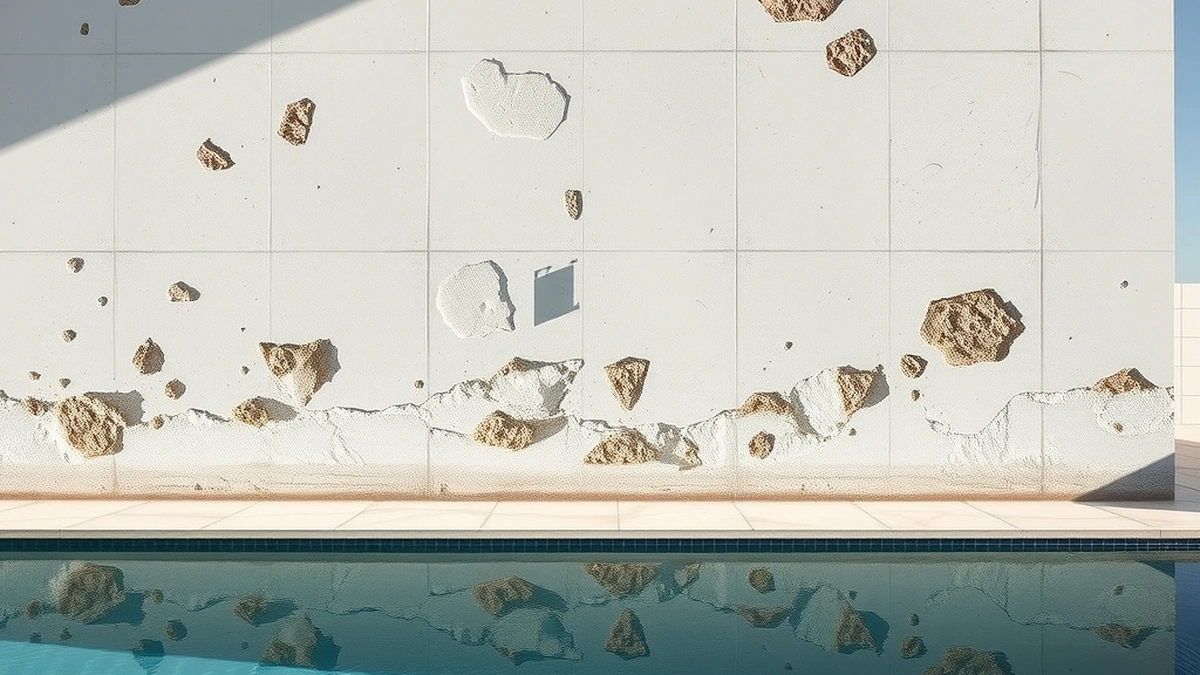
Rough or pitted plaster: repair options and what holds
Rough plaster is fixed by spot patching at $300 to $800, an acid wash at $400 to $800, or a full replaster at $4,000 to $10,000. Which one actually works.
Read the guide →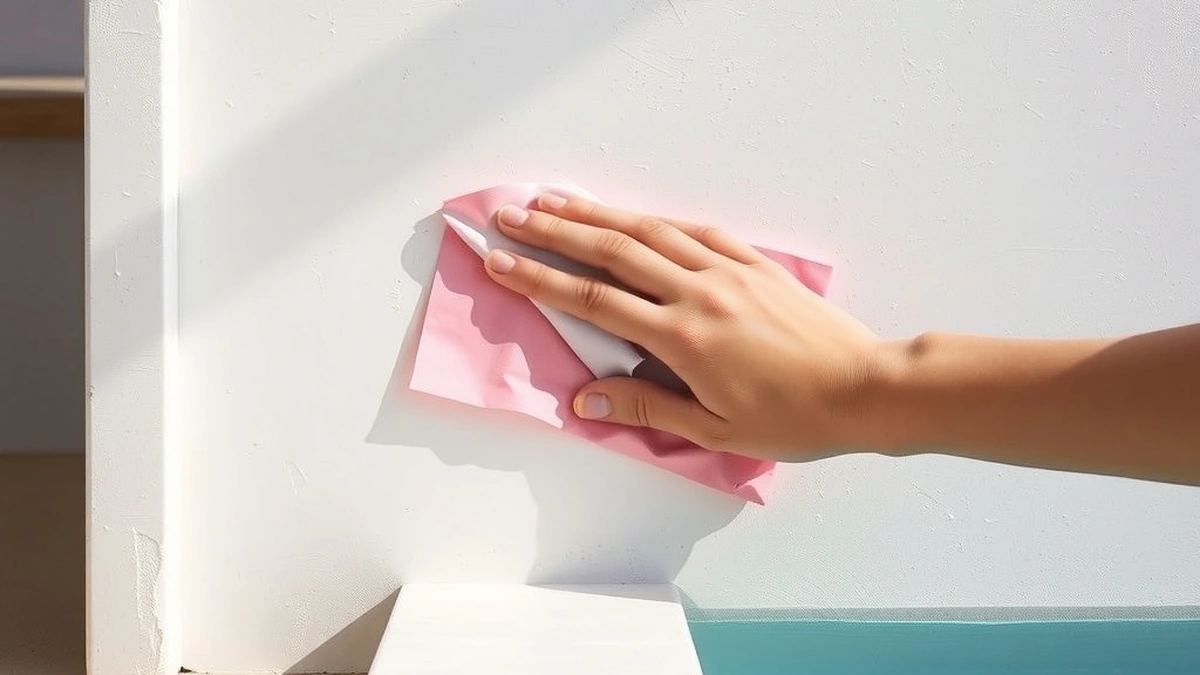
Rough or pitted plaster: the warning signs to check
Gritty walls, chalk on your hand, a sandy floor, and white streaks at the waterline are the signs plaster is dissolving. What each means and how far gone it is.
Read the guide →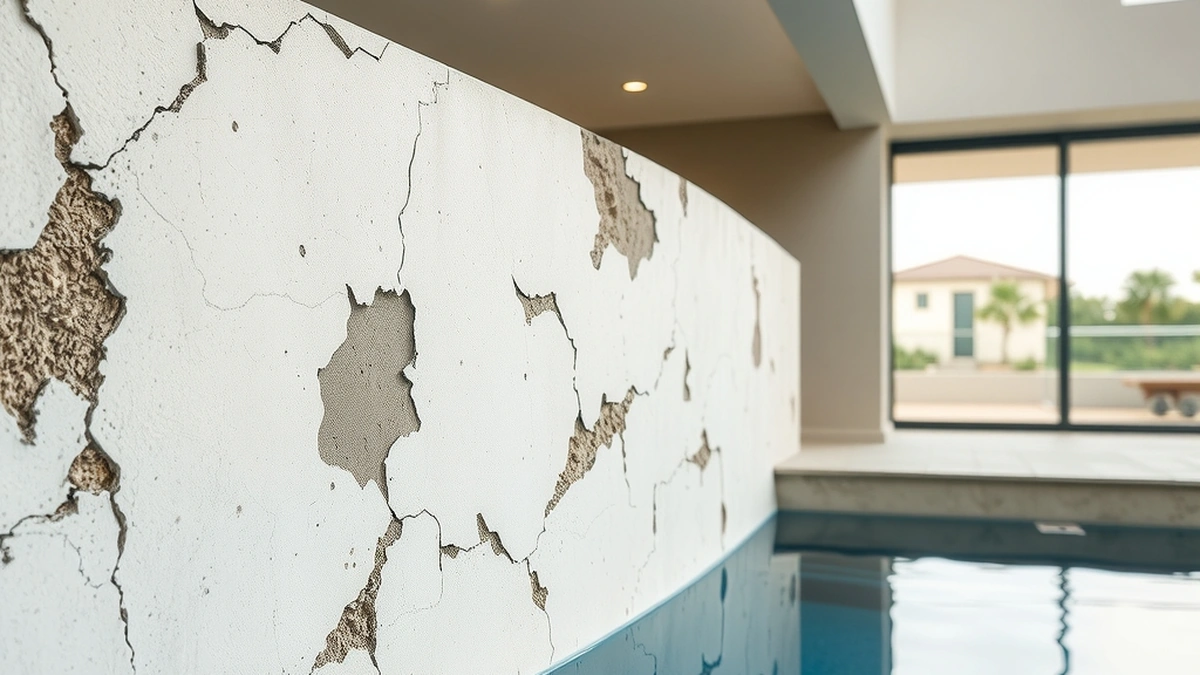
Signs Your Pool Needs Resurfacing
How to tell when your pool surface is failing and what to do before leaks and water chemistry problems get worse.
Read the guide →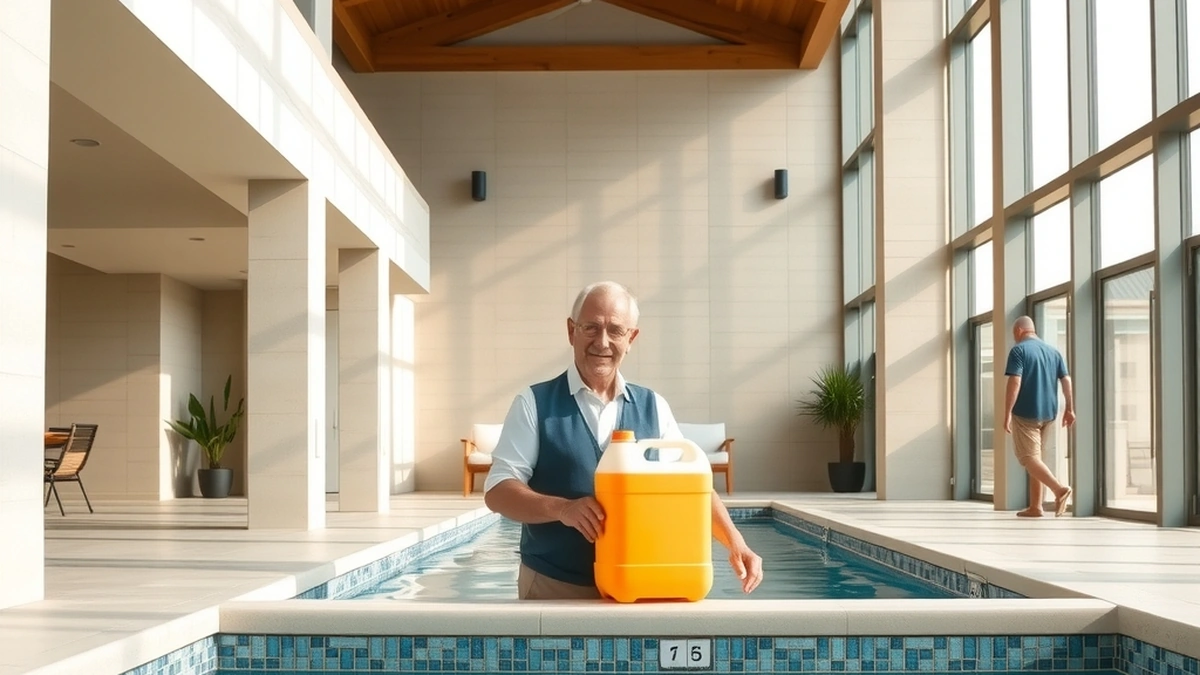
Staining: how to prevent it from coming back
Stop pool stains by testing the fill water for metals, holding pH at 7.2 to 7.8, brushing weekly, and keeping chlorine steady. Costs $20 to $60 a month.
Read the guide →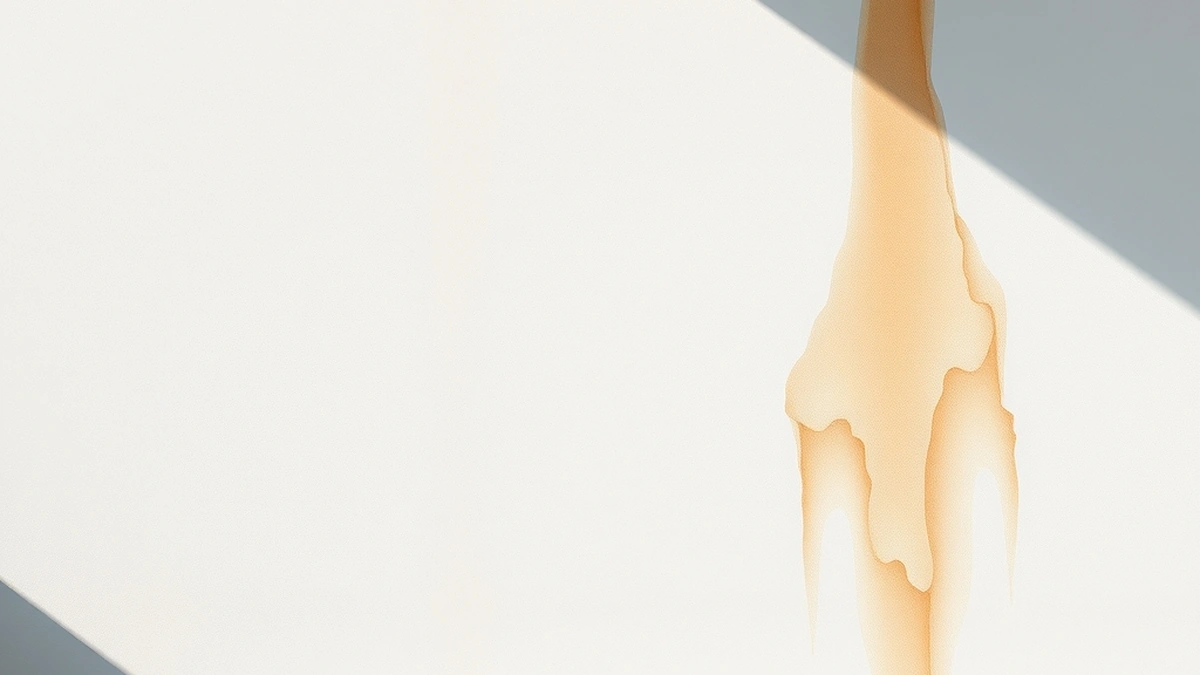
Staining: repair options for metal, organic, and scale.
Identify pool stains with a vitamin C tablet and a chlorine puck, then treat: spot chemicals $30 to $150, professional treatment $200 to $600.
Read the guide →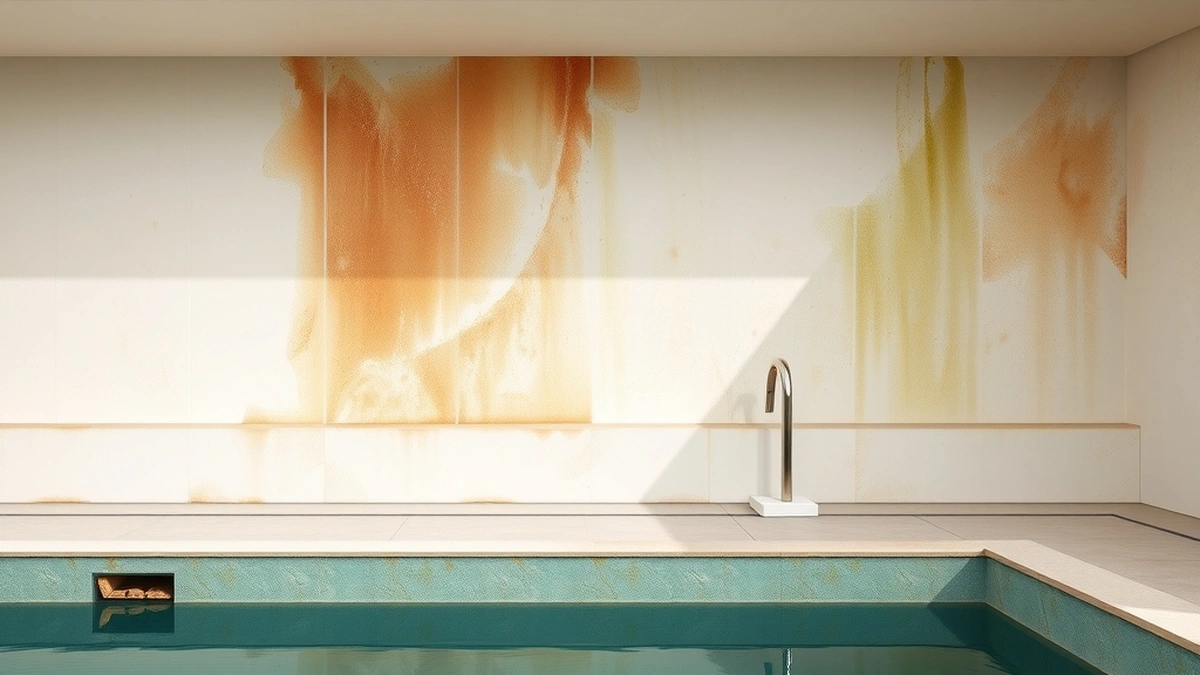
Staining: warning signs that tell you the cause
Brown streaks, blue-green marks, white film, and tan leaf shapes each point to a different pool stain. Read the colour and pattern before buying any chemical.
Read the guide →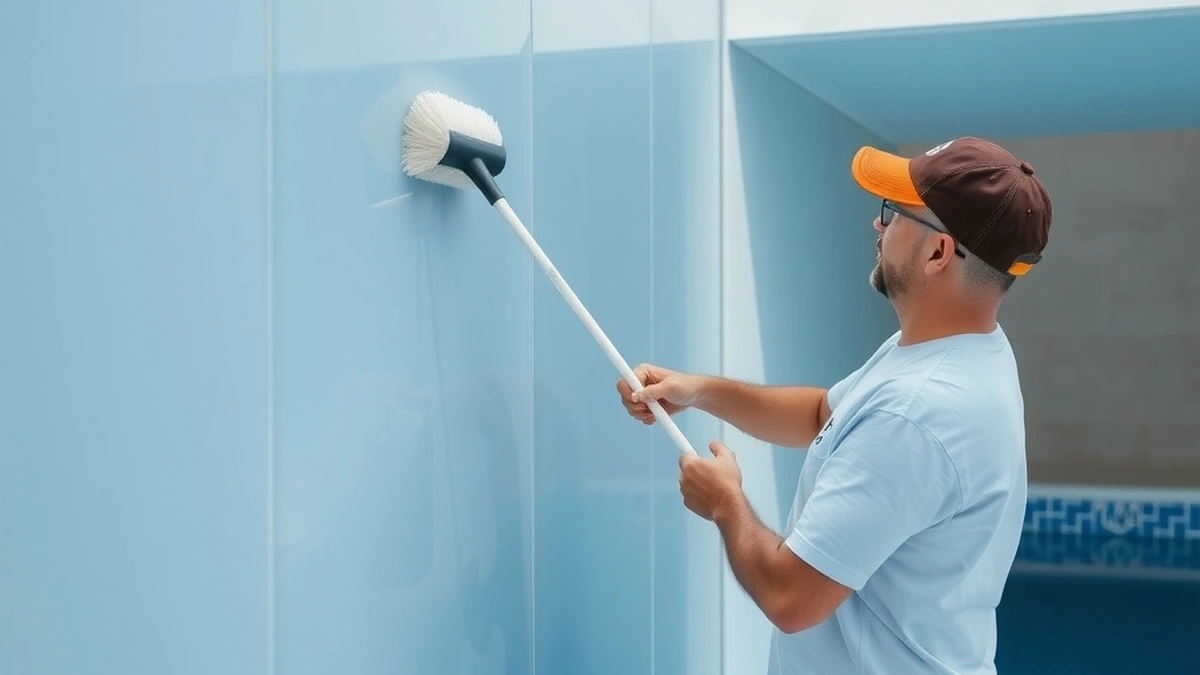
Vinyl liner maintenance: the routine that adds years
Keep a vinyl liner for 8 to 12 years with stable pH, steady water level, gentle brushing, and no summer draining. What each habit prevents and what it costs.
Read the guide →
Vinyl liner problems: wrinkles, tears, and floating liners
Wrinkles, floating liners, tears at fittings, and fading are the common vinyl liner failures. What causes each, what a repair costs, and when to replace.
Read the guide →
Pool Resurfacing Maintenance Schedule
A surface-life-first guide to maintaining plaster, quartz, pebble, and fiberglass pool finishes after resurfacing.
Read the guide →
Pool Resurfacing Repair: When It Is Worth It
Decide whether spot repairs or full resurfacing makes sense for your pool based on surface age, damage type, and cost.
Read the guide →