Pool Resurfacing Installation: What It Involves
A step-by-step look at pool resurfacing installation, from draining and prep to finish application, cure time, and water chemistry.
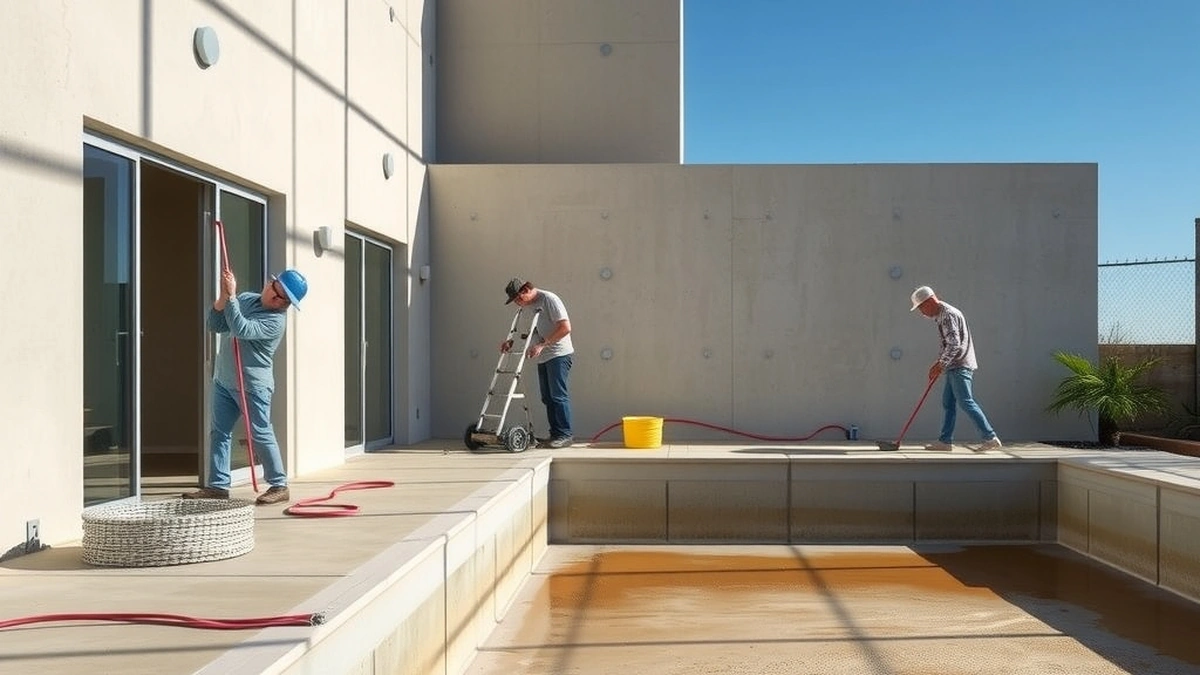
Pool resurfacing installation means draining the pool, removing the old surface, prepping the substrate, applying a new finish, and refilling with balanced water before swimming.
- Typical project length
- 5-10 days
- Common finishes
- White plaster, quartz aggregate, pebble
- Drain time
- 8-24 hours
- Cure before refill
- 5-7 days (plaster)
- Cost range (USD)
- 4,000-15,000
Some links on this page are affiliate links.If you buy through them we may earn a commission at no extra cost to you. We do not accept payment for rankings. Read the full disclosure.
Pool resurfacing installation is the process of removing a worn or damaged interior pool finish and replacing it with a new surface. The job starts with draining the water and ends with a cured shell and balanced chemistry ready for swimming. It is not a surface cleaning or an acid wash; it is a structural renewal of the pool interior.
What Pool Resurfacing Installation Means
Resurfacing replaces the interior coating that contacts the water. Over years of use, plaster can etch, stain, or delaminate. Aggregate finishes can loosen, and tile can crack or fall off. When repairs no longer hold, the existing surface is removed down to a sound substrate, and a new finish is troweled or applied in place.
The installation follows a fixed sequence: drain, prep, apply, cure, refill, and balance. Skipping any step shortens surface life and invites water chemistry problems. This guide explains what happens at each stage, what the finishes cost, and what homeowners should expect.
Draining and Site Preparation
The first step is draining the pool completely. A typical residential pool holds between 10,000 and 25,000 gallons. At a standard drain rate, emptying the pool can take 8 to 24 hours. Water must be discharged according to local regulations, not simply pumped into a storm drain.
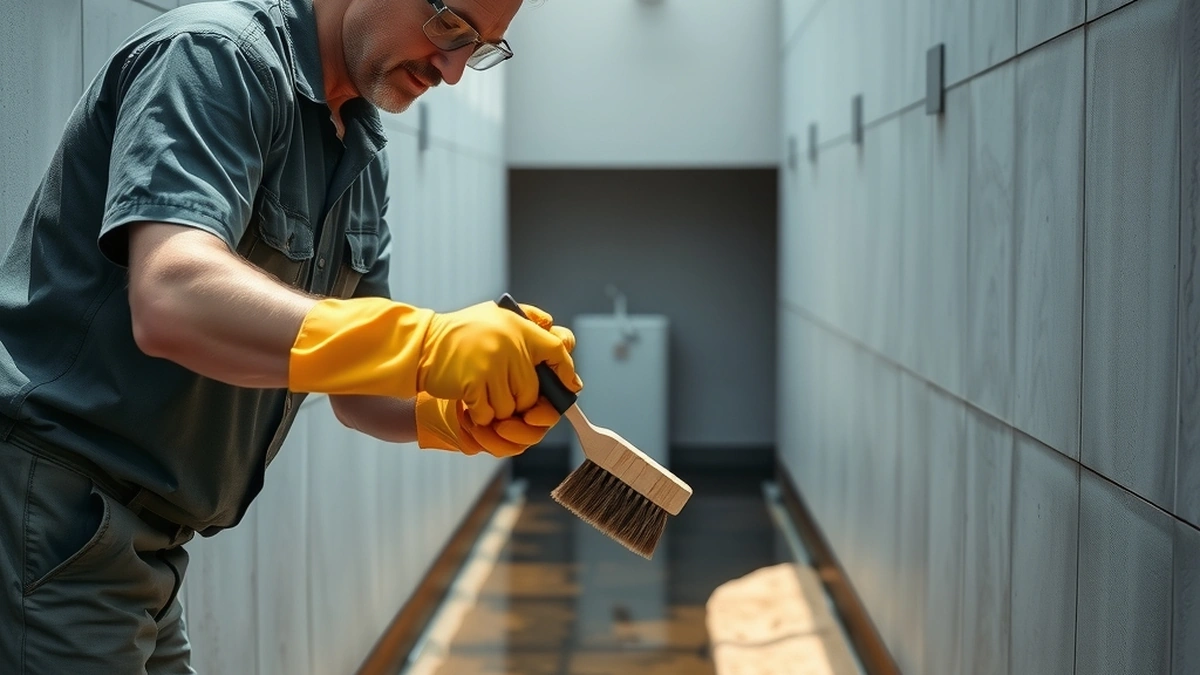
Once empty, the crew inspects the shell for cracks, hollow spots, and corrosion. Loose material is chipped away. Bond coat may be applied to help the new finish adhere. This prep stage determines how long the new surface will last. If the substrate is unsound, no finish on top will perform well.
Common Finish Options and Costs
Homeowners choose from several finishes. Costs below are estimates for a standard residential pool and vary by size, region, and condition of the existing shell.
| Finish | Typical Cost (USD) | Expected Life |
|---|---|---|
| White plaster | 4,000-10,000 | 5-10 years |
| Quartz aggregate | 6,000-12,000 | 7-15 years |
| Pebble finish | 8,000-15,000 | 10-20 years |
| Fibreglass overlay | 5,000-12,000 | Varies by product |
| Tile replacement | 1,500-5,000 | 10-20 years |
An acid wash costs roughly 400-800 USD, but it is not a resurfacing installation. It removes surface stains and mineral scale without replacing the plaster or aggregate.
For a 500-square-foot pool interior, white plaster at the midpoint of 4,000-10,000 USD suggests roughly 7,000 USD, or about 14 USD per square foot. Quartz at the midpoint of 6,000-12,000 USD suggests 9,000 USD, or about 18 USD per square foot. These figures are estimates only and do not include deck work, tile, or equipment repairs.
Application and Curing
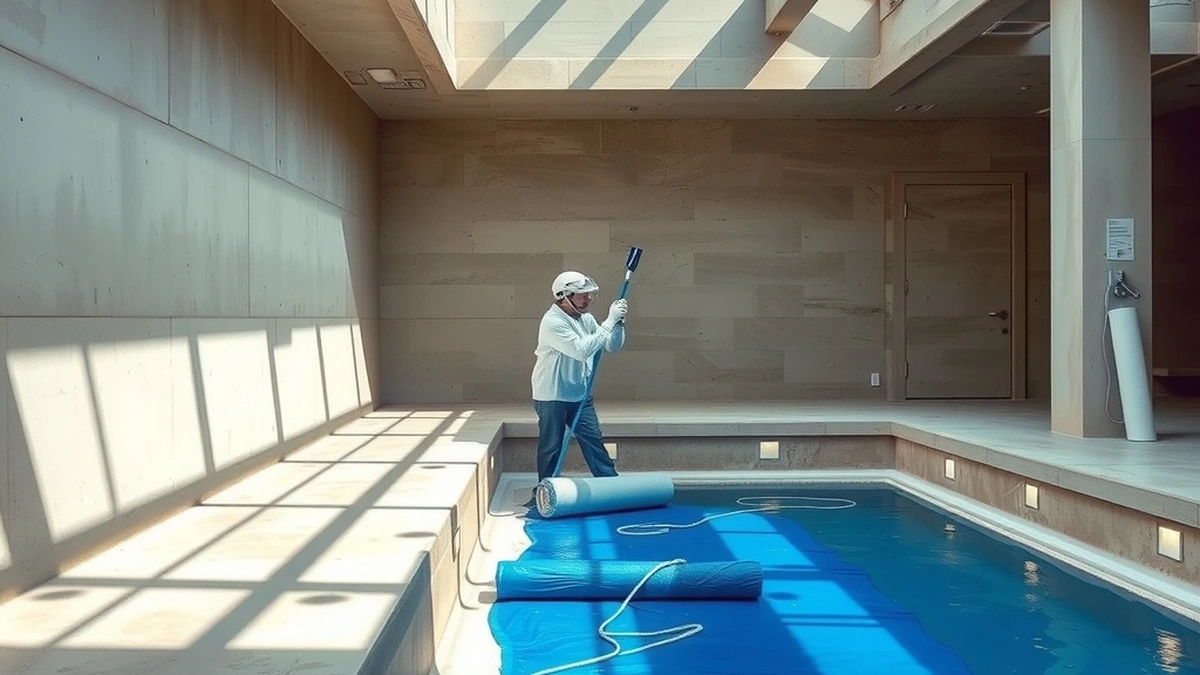
White plaster is mixed on-site and troweled onto the prepared shell in one or two coats. Quartz and pebble aggregates are broadcast or troweled into a cementitious base, then exposed by washing or acid etching after the initial set. Fibreglass overlays are laid up and cured according to the manufacturer’s instructions.
Curing time matters. Plaster typically cures for 5 to 7 days before the pool is refilled. During curing, the surface should stay moist in many cases, though specific methods vary by finish and climate. Rushing the cure or refilling too early can cause discoloration, streaking, or premature wear.
Refilling and Water Chemistry
After the cure period, the pool is refilled. A 20,000-gallon pool refilled through a standard garden hose delivering 8 gallons per minute takes roughly 42 hours of continuous flow. Most homeowners use a water delivery service to shorten this to a day or two.
Once full, the water must be balanced before swimming. New plaster releases calcium and raises pH. The first 30 days require frequent testing and adjustment of pH, alkalinity, and calcium hardness. Chlorine should be introduced gradually. Brushing the walls daily during the first two weeks removes plaster dust and helps the surface cure evenly.
Water chemistry is not an afterthought. A new surface can be damaged by low pH or high calcium within weeks. For ongoing care, see our pool resurfacing maintenance guide.
Safety and Code Considerations
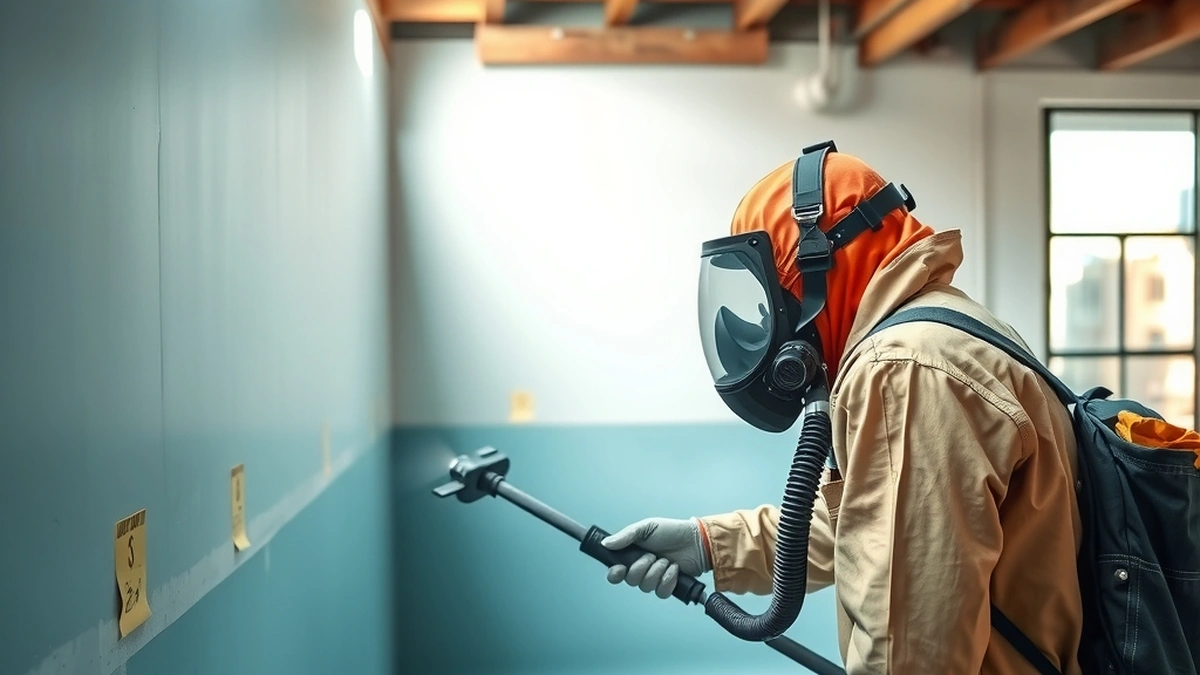
Crew safety and code compliance are part of every installation. Dust from chipping old plaster contains silica, so respiratory protection and ventilation are required when working in enclosed pump rooms or equipment areas. Chemical handling during acid washing or startup follows OSHA workplace safety standards.
Local building codes may govern drainage disposal, electrical bonding, and barrier requirements if the pool is drained for an extended period. The International Code Council publishes model pool and spa codes that many jurisdictions adopt. Homeowners should confirm permit requirements before work begins.
What Is Not Included in Resurfacing
Resurfacing the interior does not automatically fix everything. Tile replacement is a separate line item, typically 1,500-5,000 USD depending on tile type and lineal footage. Equipment, decking, coping, and leaks are addressed separately. If the pool shell has structural cracks, those must be repaired before the new finish goes on.
For context on whether resurfacing or replastering is the right term for your project, see our comparison of pool resurfacing vs pool replastering. If you are weighing the full investment, our pool resurfacing cost per square foot article breaks down pricing by surface area. For a broader view of total project cost, see how much does pool resurfacing cost.
DIY Versus Professional Installation
Some homeowners consider applying plaster or overlay themselves. Mixing and troweling plaster requires timing, temperature control, and physical stamina. Mistakes in the first hour show up as soft spots, discoloration, or early delamination years later. Because surface life depends on correct installation, this guide does not recommend DIY resurfacing for structural finishes. Minor patching is different from full-surface installation.
Timeline Summary
A typical project moves like this:
- Day 1: Drain the pool and inspect the shell.
- Day 2-3: Chip out old finish, repair substrate, apply bond coat.
- Day 4: Apply new plaster, aggregate, or overlay.
- Day 5-10: Cure the surface, then refill the pool.
- Day 10-14: Balance water chemistry and begin brushing.
Weather, pool size, and finish type can shift this schedule by several days.
Pool resurfacing installation is a multi-day construction project, not a weekend cleaning. The finish you choose affects cost and longevity, but the prep, cure, and startup chemistry affect how long that finish actually lasts. For expected service life by material, see how long does pool resurfacing last. For repair needs between full projects, see pool resurfacing repair. To compare finishes at a high level, see best pool resurfacing.
Next, compare how much does pool resurfacing cost, pool resurfacing repair, pool resurfacing maintenance before you commit.
Frequently asked questions
How long does pool resurfacing installation take?
Most residential pool resurfacing jobs take 5 to 10 days from drain to refill, depending on finish type, pool size, and weather conditions.
Can I swim right after resurfacing?
No. The new surface must cure and the water must be balanced before swimming, usually about a week for plaster finishes.
Is acid washing the same as resurfacing?
No. An acid wash cleans stains but does not replace the surface; it typically costs 400-800 USD and is not a resurfacing installation.
What is the cheapest resurfacing option?
White plaster is generally the most affordable finish, with typical costs around 4,000-10,000 USD for a standard residential pool.
Do I need to drain the pool to resurface it?
Yes. The pool must be drained and dried so crews can chip out the old finish, repair the substrate, and apply the new material.
How soon can I refill after installation?
Refill timing depends on the finish; white plaster often cures for about 5-7 days before the pool is refilled and chemistry is balanced.
Sources
Some links are affiliate links.If you buy through them we may earn a commission at no extra cost to you. We do not accept payment for rankings. Read the full disclosure.