
Methods guides
Methods and materials for pool resurfacing.
The options, and what each one does
Pool Resurfacing is sold as one product and behaves as several. The table separates them by what they are made of and where they fit.
| Option | What it is | Where it fits |
|---|---|---|
| Plaster | Cement and marble dust | Budget, smooth, shortest life |
| Quartz | Plaster plus quartz aggregate | Mid-price, stain resistant |
| Pebble | Epoxy or cement with pebbles | Premium, 15+ years |
| Fibreglass | Resin overlay | Fast turnaround, can blister |
| Vinyl liner | Replacement liner | Not a resurface; cheapest reset |
How the choice is made
The decision order is the same in every project: diagnose the problem, set the budget, then pick the material. Buyers who start with the material usually re-do the job. A contractor who quotes a method before inspecting the site is guessing.
What we check before recommending a method
- Does the material match the exposure — sun, salt, freeze-thaw, water?
- Is the substrate or structure adequate for it?
- Does the warranty cover the failure mode that actually happens?
- Is the maintenance schedule realistic for the owner?
The cost hub carries the installed ranges, and the comparison hub puts the two closest options side by side.
Which option lasts longest?
It depends on exposure more than on brand. The premium material installed badly fails before the mid-range material installed properly.
Can I change method later?
Sometimes, at a cost. Ask what the removal and disposal line would be before choosing the cheaper option now.
All methods guides
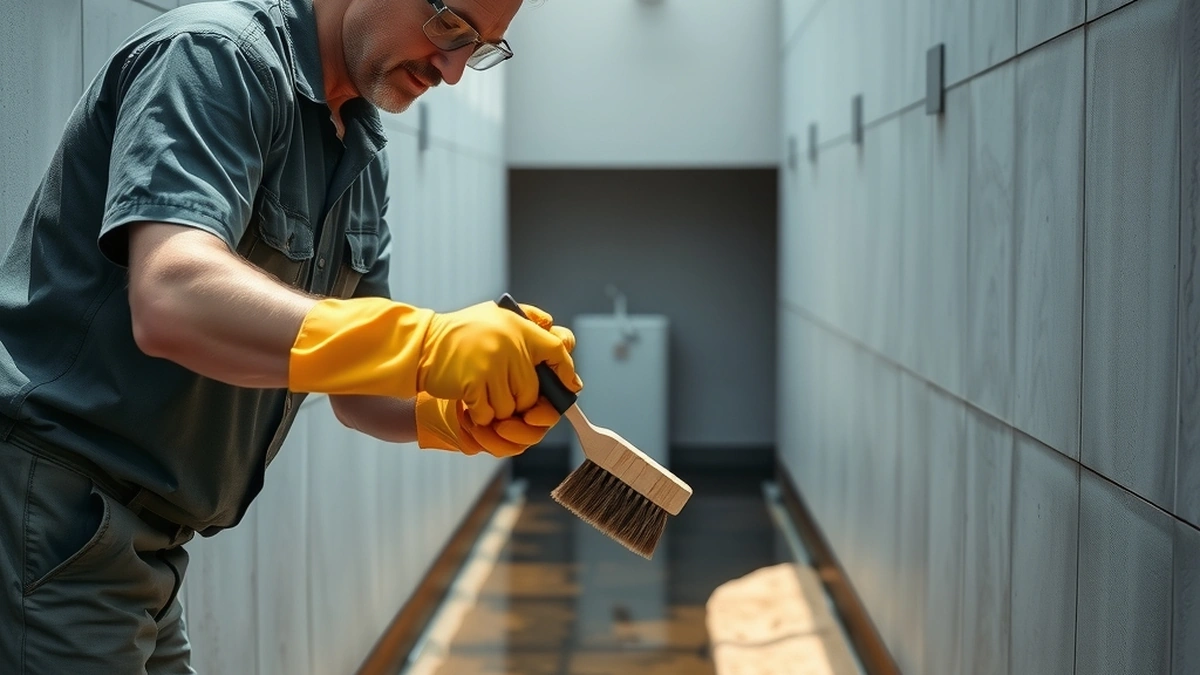
DIY pool resurfacing: what you can and cannot do
Which parts of a pool resurface a homeowner can handle safely, which require a crew, and what a DIY attempt actually costs in materials.
Read the guide →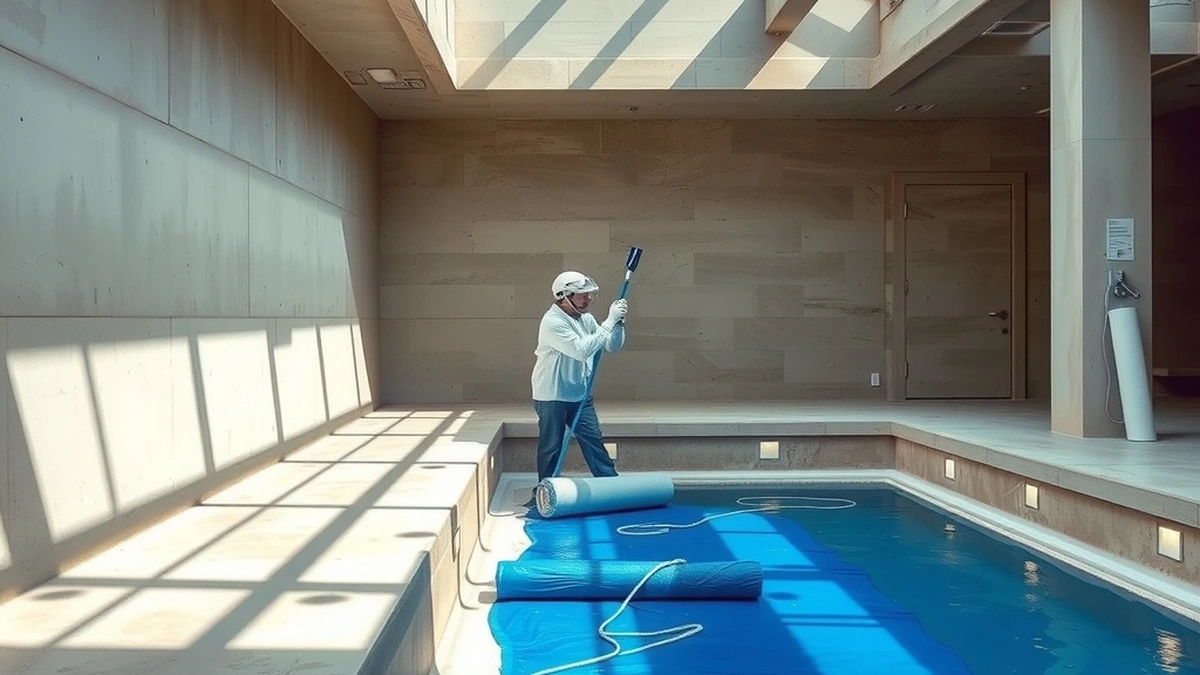
Fiberglass pool resurfacing
How a fiberglass overlay works on a concrete pool, how gelcoat renewal works on a fiberglass shell, and what each costs.
Read the guide →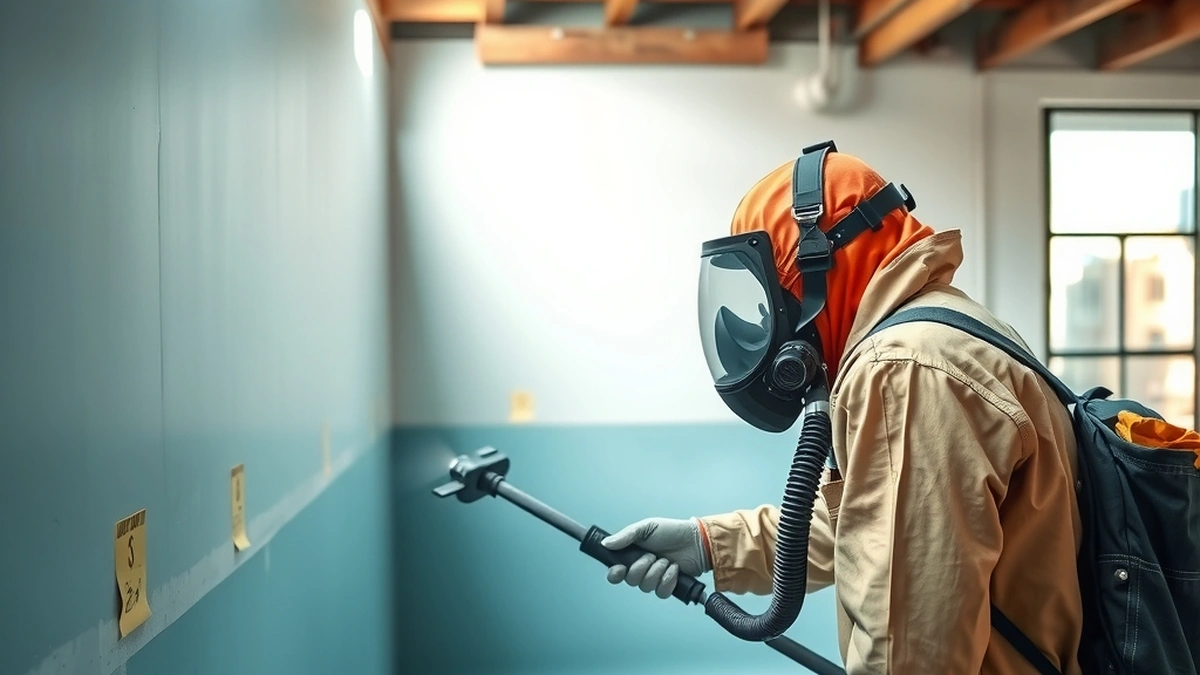
Fibreglass installation: how an overlay is built
How a fibreglass pool overlay is installed, from grinding the shell and repairing cracks to resin coats, gelcoat, cure, and the refill that follows.
Read the guide →
How long does pool resurfacing last?
Expected service life for plaster, quartz, pebble, fiberglass, and vinyl finishes, and the water chemistry that decides whether you get it.
Read the guide →
Inground pool resurfacing
Inground pool resurfacing: practical numbers, costs, and trade-offs, written independently.
Read the guide →
Pebble installation: the six-stage process
How a pebble pool finish is installed, from chip-out to wash-back and startup, with the checks to make at each stage and the cure rules that follow.
Read the guide →
Plaster installation: the sequence from drain to fill
How a pool plaster job runs, stage by stage, from chip-out and bond coat to trowel, fill, and the 28-day startup that decides the finish.
Read the guide →
Pool resurfacing before and after
What changes after a pool resurface, what the first month actually looks like, and which problems a new finish does not fix.
Read the guide →
Pool resurfacing options
Pool resurfacing options: practical numbers, costs, and trade-offs, written independently.
Read the guide →
Quartz installation: from chip-out to exposed grain
How a quartz aggregate pool finish is installed, stage by stage, including the trowel and wash that expose the grain, and the startup that sets its life.
Read the guide →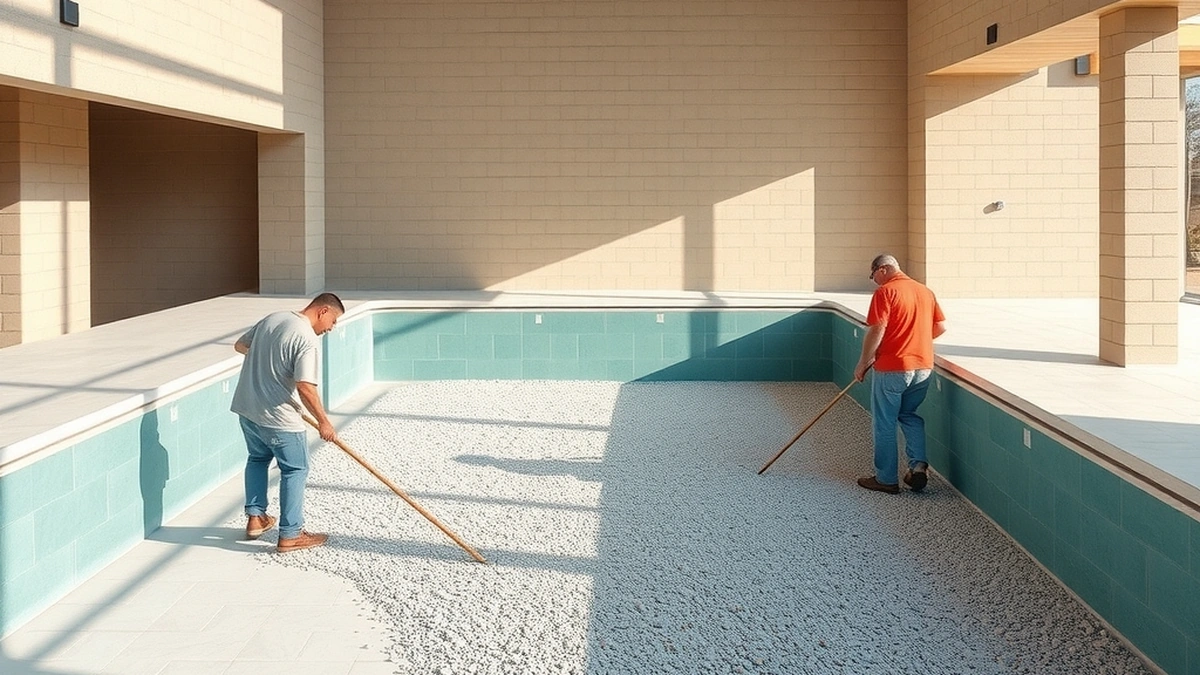
Types of Pool Resurfacing: A Complete Guide
Compare the main resurfacing methods for residential pools in the United States.
Read the guide →
Vinyl liner installation: cost, sequence, and pitfalls
A vinyl liner costs $2,500 to $7,500 installed, or $3 to $9 per square foot. What the job involves, where DIY fails, and the fit details that decide life.
Read the guide →
Pool Resurfacing Installation: What It Involves
A step-by-step look at pool resurfacing installation, from draining and prep to finish application, cure time, and water chemistry.
Read the guide →