Understanding Pool Resurfacing Cost
Learn the real costs of pool resurfacing in the US, from white plaster to pebble finishes.
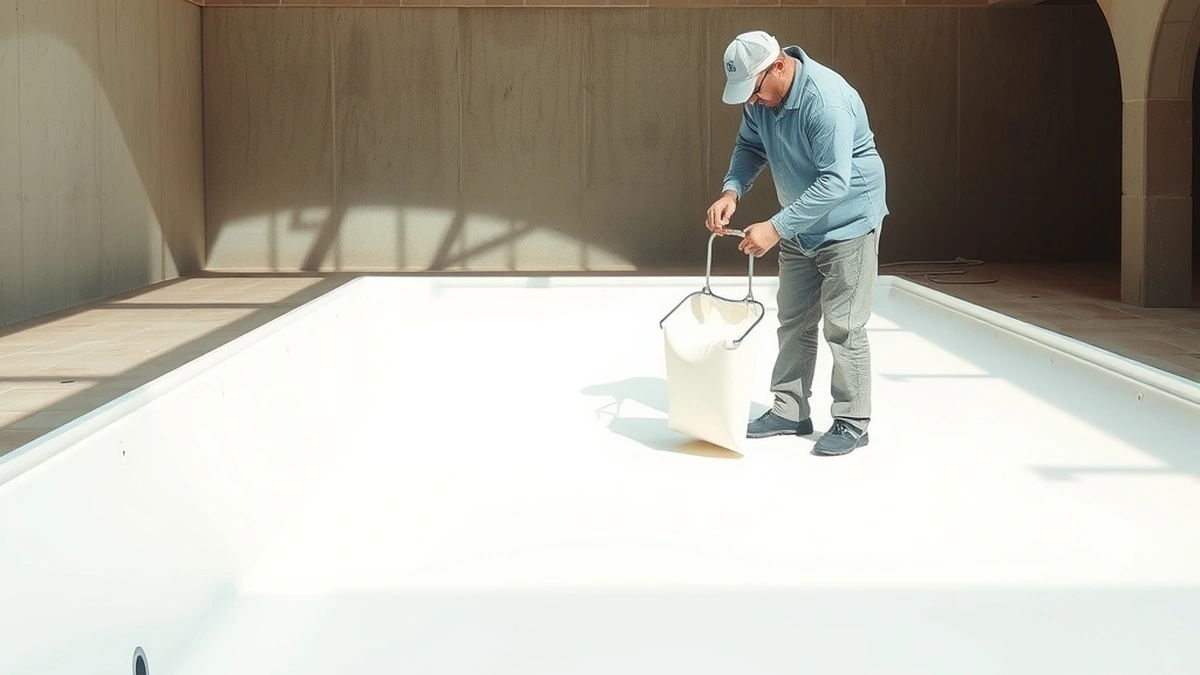
Pool resurfacing typically runs between $4,000 and $15,000 depending on the finish type. White plaster is the most affordable at $4,000-$10,000, while pebble finishes range from $8,000-$15,000. Acid washing alone is $400-$800 but is not a full resurface.
- Typical range
- Varies by system and site
- First step
- Measure the space and confirm the load
- Professional help
- Recommended for structural or electrical work
Some links on this page are affiliate links.If you buy through them we may earn a commission at no extra cost to you. We do not accept payment for rankings. Read the full disclosure.
Pool resurfacing cost varies significantly based on the finish material, the size of the pool, and whether you are dealing with structural issues. On average, homeowners can expect to spend between $4,000 and $15,000 for a complete resurfacing project. The primary driver of this cost is the chosen surface material, which dictates both the upfront expense and the long-term maintenance requirements. Understanding these variables helps you avoid contractor upselling and set realistic expectations before signing any agreements. While the upfront price tag can seem daunting, resurfacing often pays for itself by reducing long-term maintenance costs and preventing premature structural failure.
Material Options and Their Price Ranges
The cost of pool resurfacing is directly tied to the finish you select. Here is a breakdown of the primary options and their corresponding price ranges in USD:
| Finish Type | Price Range (USD) | Best For |
|---|---|---|
| White Plaster | $4,000 – $10,000 | Budget-friendly, classic look |
| Quartz Aggregate | $6,000 – $12,000 | Modern aesthetics, durability |
| Pebble Finish | $8,000 – $15,000 | High-end look, slip resistance |
| Fibreglass Overlay | $5,000 – $12,000 | Severe structural damage |
| Tile Replacement | $1,500 – $5,000 | Grout/tile issues only |
| Acid Wash | $400 – $800 | Not a resurface |
White plaster remains the most popular and affordable choice, while pebble finishes command the highest prices due to the premium materials and intricate application process. Pebble finishes, while beautiful, require more rigorous weekly brushing to maintain their texture and prevent algae buildup. Quartz aggregate provides a modern alternative that balances cost and longevity.
How Surface Size and Depth Affect Cost
Pool size and depth directly influence the amount of material needed and the labor hours required. For example, consider a standard residential pool measuring 15 feet by 30 feet with an average depth of 8 feet. The surface area to be treated is 450 square feet (15 x 30). The total volume of water is 3,600 cubic feet (450 x 8). Because labor and material costs scale with volume, larger pools require proportionally more effort. A contractor might charge $25 per square foot of surface area for labor, meaning a 450 sq ft pool incurs $11,250 in labor fees just for the resurfacing work itself, before materials are added to the bill. Additionally, deeper pools require thicker layers of finish material to protect the underlying shell, increasing both material consumption and curing time.
Labor and Overhead Costs
Beyond the raw material prices, labor constitutes the largest portion of your overall expenses. Professional resurfacing requires skilled technicians who must prepare the pool deck, apply the new finish, cure it properly, and test the water chemistry afterward. Expect labor to consume 40% to 60% of the total project cost. Overhead, including equipment rental, site preparation, and contractor insurance, adds another layer of expense. To manage these costs, always get a detailed breakdown of what is included in the quoted price. A standard contract should outline the scope of work, curing times, and post-job water testing. Proper curing is vital; rushing this step can result in premature cracking and costly rework later.
Choosing the Right Finish
Selecting the right finish depends on your aesthetic preferences and the condition of your existing pool shell. White plaster offers a clean, traditional appearance and stays relatively inexpensive at $4,000 to $10,000. However, if you desire a more modern, durable surface, quartz aggregate is an excellent middle ground, costing between $6,000 and $12,000. For those seeking a luxurious, slip-resistant option, pebble finishes are ideal despite their higher price tag of $8,000 to $15,000. If your pool shell has deep cracks or extensive spalling, a fibreglass overlay ($5,000 to $12,000) might be necessary to protect the underlying structure. Fibreglass overlays provide a seamless, impervious barrier that resists chemical degradation better than traditional plasters. You can read more about selecting the best finishes here.
Tile Replacement vs. Full Resurfacing
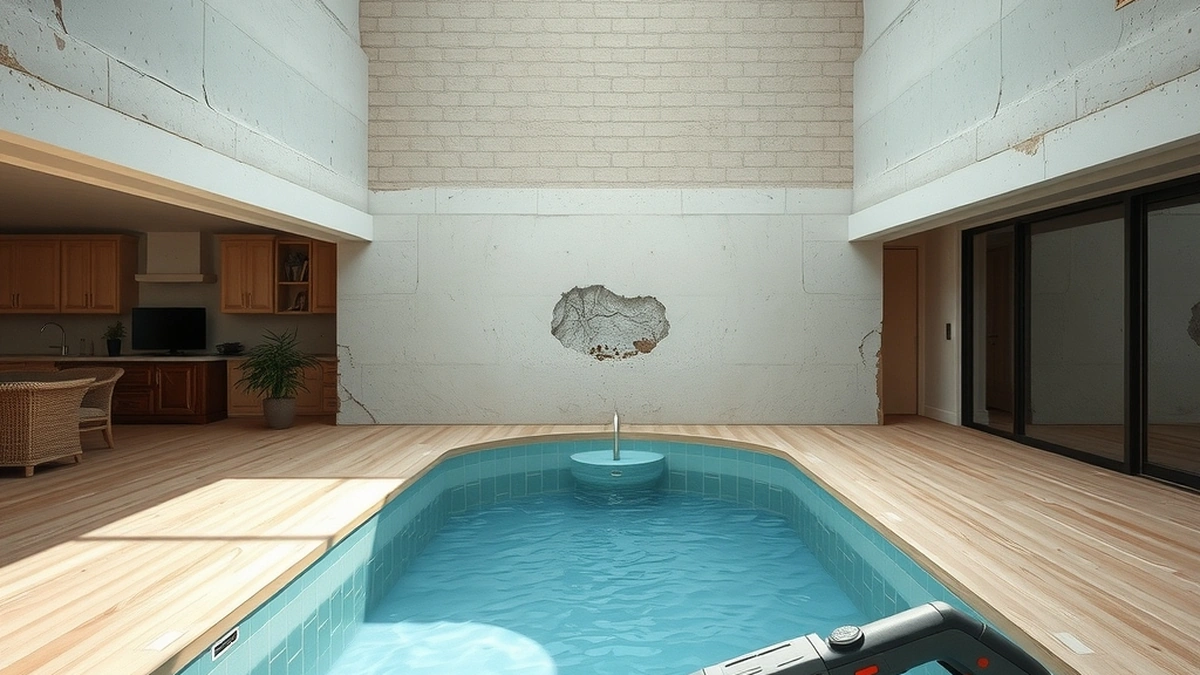
It is crucial to distinguish between replacing tiles and resurfacing the entire pool. Tile replacement only addresses the grout and ceramic tiles around the pool perimeter, costing $1,500 to $5,000. This does not fix the pool’s floor or walls. A full resurface covers the entire interior, including the floor and sidewalls. Contractors sometimes bundle these services, but you should clarify the scope. If you only need tile replacement, you save money compared to a full resurface, but you still cannot ignore structural decay beneath the tile. Understanding this difference prevents you from paying for a comprehensive resurface when a targeted repair would suffice.
DIY vs. Professional Resurfacing
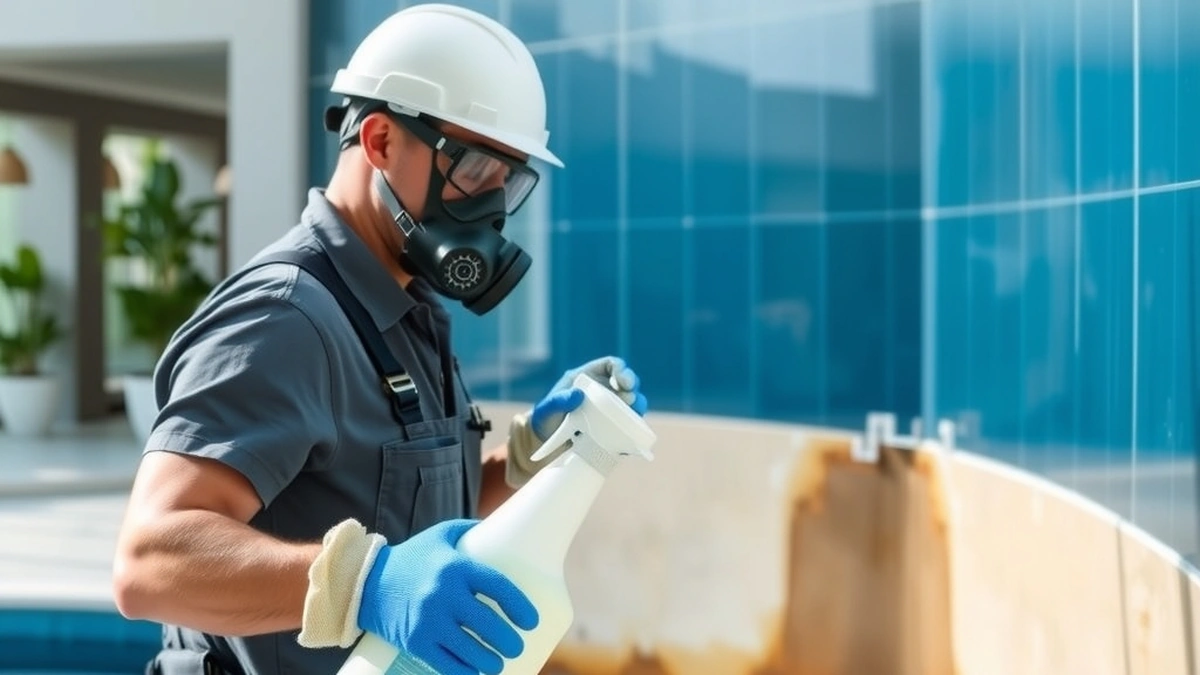
Attempting a DIY pool resurface is highly discouraged. The chemical mixtures required, such as acid washes ($400 to $800), demand strict safety protocols and specialized equipment. Furthermore, improper mixing can permanently ruin the pool surface or pose serious health hazards. Hiring professionals ensures the job is done correctly the first time. While you might save on labor, the risk of substandard work far outweighs the initial savings. Always consult with professionals to determine if your specific pool issue warrants a full resurface or a targeted repair.
Conclusion
Understanding the true cost of pool resurfacing helps you make informed decisions without overpaying. By evaluating your budget, desired finish, and the actual condition of your pool, you can select the appropriate resurfacing method. Remember that acid washing is merely a cleaning step and does not constitute a resurface. Whether you choose the budget-friendly white plaster or the premium pebble finish, getting multiple quotes from licensed contractors ensures you receive fair pricing. Proper planning and clear communication with your contractor will ultimately yield the best results for your pool.
Next, compare how much does pool resurfacing cost, pool resurfacing installation, pool resurfacing repair before you commit.
Frequently asked questions
What factors affect the cost of pool resurfacing?
Size, depth, finish material, and labor hours all impact the final price.
Is acid washing considered a resurface?
Acid washing is a chemical treatment, not a resurface. It costs $400-$800 but doesn't change the surface.
How much does white plaster resurfacing cost?
White plaster typically costs between $4,000 and $10,000 for standard residential pools.
What is quartz aggregate resurfacing?
Quartz aggregate uses small stones bound together, costing $6,000-$12,000, offering a textured look.
When should I choose a fibreglass overlay?
Fibreglass overlays ($5,000-$12,000) are ideal when the existing pool shell has severe structural damage.
Does tile replacement count as resurfacing?
Tile replacement ($1,500-$5,000) is separate from pool resurfacing and involves replacing grout and tiles, not the pool floor.
Sources
Some links are affiliate links.If you buy through them we may earn a commission at no extra cost to you. We do not accept payment for rankings. Read the full disclosure.