Is pool resurfacing worth it?
Is pool resurfacing worth it?: practical numbers, costs, and trade-offs, written independently.
Is pool resurfacing worth it?: practical numbers, costs, and trade-offs, written independently. The guide below shows the numbers and the trade-offs.
- Typical range
- Varies by system and site
- First step
- Measure the space and confirm the load
- Professional help
- Recommended for structural or electrical work
Some links on this page are affiliate links.If you buy through them we may earn a commission at no extra cost to you. We do not accept payment for rankings. Read the full disclosure.
Pool resurfacing is worth it when the shell is sound and the finish has worn out; it is not worth it when you are trying to fix a structural problem with a cosmetic coat. For a typical inground pool, the job runs $4,000 to $15,000 depending on the finish, which is a large number — but it is also the cost of keeping a pool that is already built usable for another decade or more, and that comparison is the one that matters.
What resurfacing restores
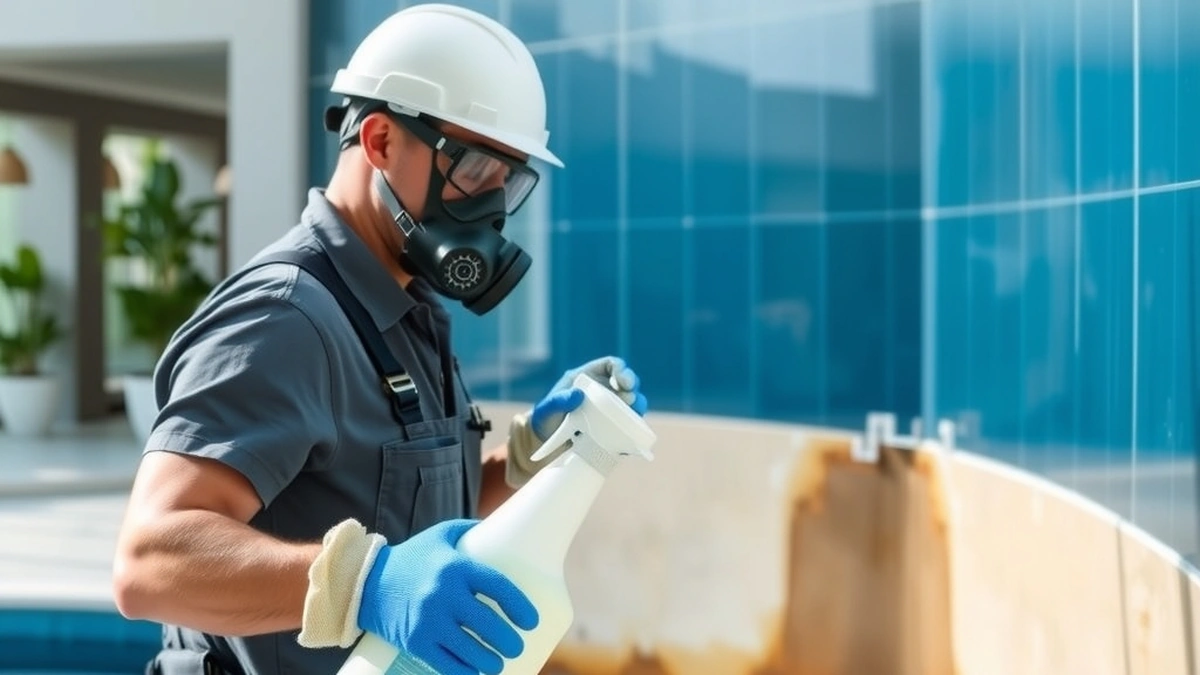
Pool resurfacing is the replacement of the water-facing interior finish — the plaster, quartz, or pebble layer — after the old surface has been removed and the shell prepared. It restores a smooth, sound surface and a watertight barrier over the shell.
What it does not do is rebuild the pool. It will not fix a shell that is moving, a deck that has settled, or plumbing that is leaking behind the wall. Those are separate jobs, and bundling them into a resurface quote without saying so is how budgets get surprised.
The numbers
- White plaster: $4,000 to $10,000
- Quartz aggregate: $6,000 to $12,000
- Pebble finish: $8,000 to $15,000
- Fibreglass overlay: $5,000 to $12,000
- Tile replacement: $1,500 to $5,000
- Acid wash: $400 to $800, and it is not a resurface
Those are the ranges for a standard residential pool. A large pool, a spa spillover, or a shell that needs repair before finishing will land above them.
Cost per square foot, worked out
Assume 900 square feet of floor and wall, which is a 15-by-30-foot pool with an average depth of 5 feet: floor 15 × 30 = 450, walls 2 × (15 + 30) × 5 = 450, total 900.
- Plaster: $4,000 ÷ 900 = $4.44 per square foot at the low end; $10,000 ÷ 900 = $11.11 at the high end.
- Quartz: $6,000 ÷ 900 = $6.67 to $12,000 ÷ 900 = $13.33.
- Pebble: $8,000 ÷ 900 = $8.89 to $15,000 ÷ 900 = $16.67.
- Fibreglass overlay: $5,000 ÷ 900 = $5.56 to $12,000 ÷ 900 = $13.33.
When a quote arrives, divide the total by the measured area and check it against those bands. A number far below them usually means less prep; a number far above usually means extra scope, and the quote should say what.
Repair, resurface, or remodel
| Option | What it addresses | Cost basis |
|---|---|---|
| Acid wash | Surface staining and chalk | $400–$800, no new material |
| Tile replacement | Waterline band only | $1,500–$5,000 |
| Plaster patch | Isolated hollow or damaged area | Quoted by area |
| Full resurface | Worn finish over a sound shell | $4,000–$15,000 |
| Fibreglass overlay | Worn finish, some shell defects | $5,000–$12,000 |
| Remodel | Finish plus deck, coping, features | Project quote |
The decision usually comes down to how much of the surface is failing. One hollow patch on an otherwise sound pool is a repair. Chalky, rough finish across the floor and walls, with hollow spots in several places, is a resurface. A pool that also needs coping, deck, and tile is a remodel, and it should be quoted as one.
When resurfacing is worth it
The finish is worn rather than broken. If the surface is rough, chalky, stained through, or shedding material into the filter, but the shell is stable, a resurface is the correct maintenance step. It restores the surface without touching the structure.
The pool is otherwise in good shape. Sound equipment, a level deck, and no history of leaks mean the resurfacing money goes entirely into the part you see and touch.
You plan to keep the pool. Resurfacing is a long-interval purchase, not a quick flip. If you are selling within a year, a buyer’s inspection will value a sound shell more than a fresh color, and the resurface may not return its cost in the sale price.
When it is not worth it
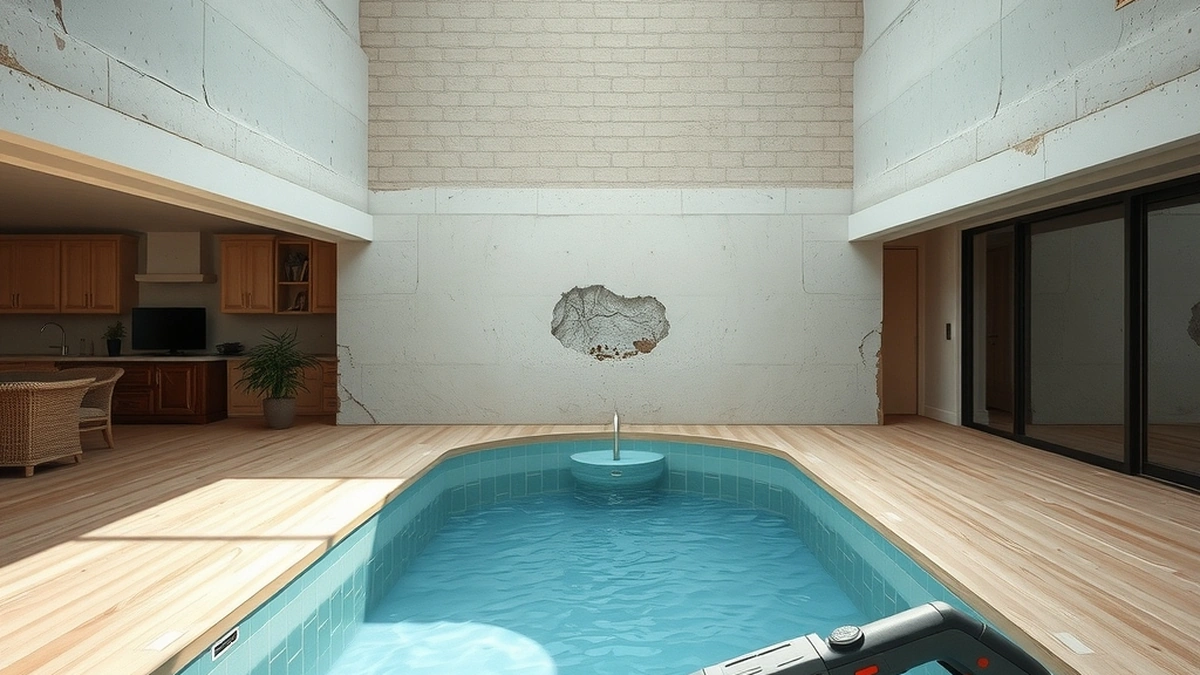
The shell is failing. Structural cracks that run through the shell, a wall that has moved, or repeated leaks at the same fitting are not finish problems. A new finish over a moving shell will crack in the same places.
The pool is at the end of its life. If the shell, plumbing, and deck all need work, the honest comparison is between a full renovation and filling or removing the pool. Resurfacing alone will not make that decision for you.
You are buying appearance only. An acid wash at $400 to $800 may be enough to freshen a surface that is structurally fine. It is not a resurface, and it will not add material back to a worn finish — but if the finish is sound and merely dull, it is the cheaper first step.
How to decide, in order
- Have the finish inspected by tapping for hollow areas and looking for map cracking. If it sounds hollow across large areas, the finish has separated and needs replacement, not cleaning.
- Confirm the shell is sound. Ask the contractor to check for structural cracks and movement before quoting a finish.
- Get three quotes on the same measured area and the same finish type.
- Compare the per-square-foot rate against the bands above, and ask what prep each quote includes.
- Decide whether you are buying maintenance or a remodel, and budget accordingly.
The arithmetic behind the decision is in pool resurfacing cost and how much pool resurfacing costs. If the finish is failing in patches, delamination signs explains what you are looking at, and pool resurfacing options compares the materials. For the repair end of the spectrum, start with pool resurfacing repair.
The bottom line
Resurfacing is worth it on a sound shell with a worn finish, where $4,000 to $15,000 buys another long stretch of use from a pool that is already built. It is not worth it as a fix for structural movement, and it is not worth it if an acid wash at $400 to $800 solves the actual problem. Inspect first, then price the job you actually need.
Frequently asked questions
What is the most important measurement?
Start with the ceiling or clearance number; it decides which systems can fit.
What does a typical project cost?
Costs vary by system and site access; the guide shows the line items and a planning range.
Can I install this myself?
Some tasks are DIY-friendly, but structural, electrical, and load-bearing work should be done by a licensed professional.
How long does installation take?
A simple setup is a weekend; a full build with electrical or structural work can take several weeks.
What should I check before buying?
Confirm dimensions, load ratings, and the manufacturer's installation requirements for your exact model.
Where can I find local help?
Ask a licensed contractor or installer who has worked with the same system and can inspect your site.
Sources
Some links are affiliate links.If you buy through them we may earn a commission at no extra cost to you. We do not accept payment for rankings. Read the full disclosure.