Finding a pool resurfacing contractor near you
Learn how to locate and vet local pool resurfacing contractors safely and reliably.
Search online directories and local business listings, then call at least three contractors to compare pricing and scope before choosing.
- Typical range
- Varies by system and site
- First step
- Measure the space and confirm the load
- Professional help
- Recommended for structural or electrical work
Some links on this page are affiliate links.If you buy through them we may earn a commission at no extra cost to you. We do not accept payment for rankings. Read the full disclosure.
Finding a Pool Resurfacing Contractor Near You
Finding a pool resurfacing contractor near you means starting with simple online searches and ending with a few phone calls to compare pricing and professionalism. The fastest route is a directory search combined with calls to at least three local firms before signing anything.
How to Find Local Contractors
Start with Google Maps and Yelp to identify businesses within a reasonable driving radius of your home. Filter results by review score, years in business, and whether they offer resurfacing rather than full installation. Most reputable firms maintain active Google Business profiles with photos of completed work.
You can also check the Better Business Bureau for complaints filed against pool resurfacing companies in your area. A clean BBB record across multiple years is a good baseline signal.
Use local chamber of commerce directories if they exist in your city. These directories often require businesses to meet certain criteria before listing, which can filter out smaller operations that lack resources for quality work.
Questions to Ask Before Hiring
Before scheduling any inspection, prepare a short list of questions that reveal competence and transparency. Ask each contractor to confirm they hold a current state license, carry liability insurance, and are bonded. Contractors who cannot produce these documents immediately may not be worth your time.
Inquire about their experience with your specific pool type—above ground, inground, vinyl liner, or fiberglass shell. A contractor who has resurfaced ten above-ground pools but has never worked on an inground concrete pool may miss critical details.
Ask whether they provide written estimates and what the estimate includes versus excludes. Many contractors will quote a base resurfacing price plus an optional tile replacement, which can add $1,500 to $5,000 depending on tile size and complexity. For example, if your pool has a 200-square-foot tile area, replacing that tile could add roughly $3,000 to $4,000 to the base resurfacing cost.
What to Look For in a Reputable Contractor
The best contractors prioritize surface quality over markup. They should explain the difference between a full resurfacing and a simple acid wash, because acid washing costs roughly $400 to $800 and does not replace the existing finish. If a contractor offers only an acid wash, they are not providing a true resurface.
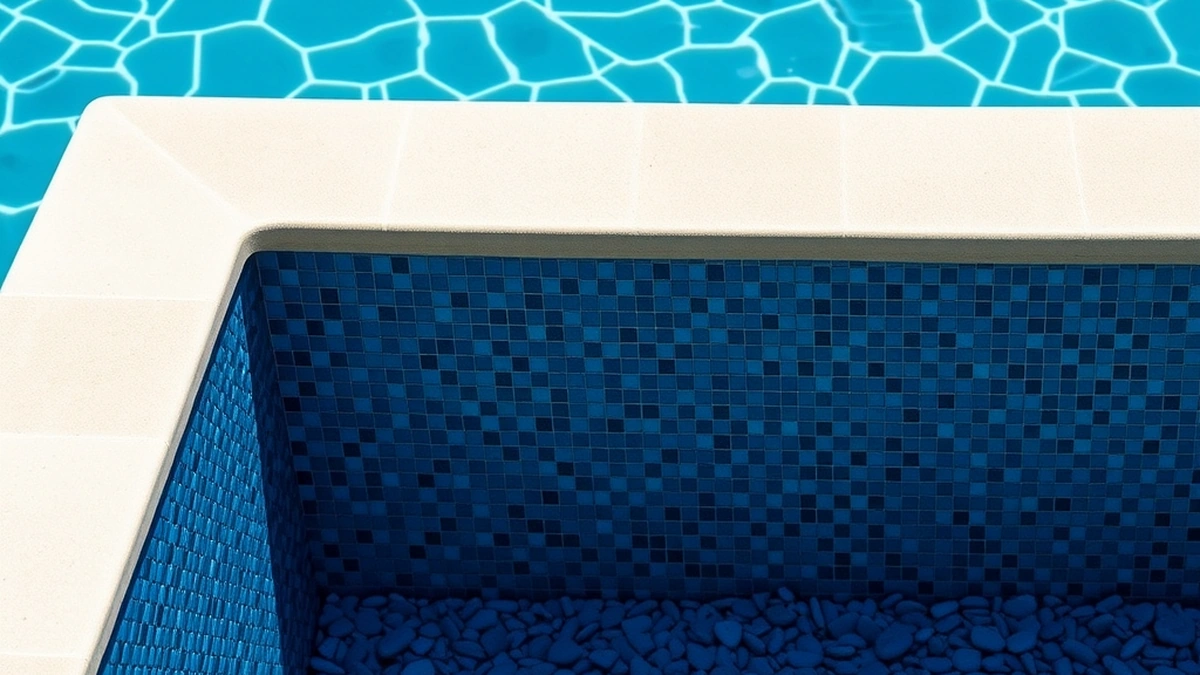
Look for contractors who discuss finish options honestly. White plaster resurfacing typically runs $4,000 to $10,000, quartz aggregate finishes range from $6,000 to $12,000, and pebble finishes generally cost $8,000 to $15,000. A reputable contractor should present these ranges without pressuring you toward the cheapest option.
Check whether the contractor carries a manufacturer warranty on their finish. This is different from a workmanship warranty and covers defects in materials, not mistakes in application.
Cost Ranges by Finish Type
Understanding typical price bands helps you evaluate quotes fairly. The following table summarizes common resurfacing finishes and their estimated cost ranges:
| Finish Type | Estimated Cost Range |
|---|---|
| White Plaster | $4,000–$10,000 |
| Quartz Aggregate | $6,000–$12,000 |
| Pebble Finish | $8,000–$15,000 |
| Fiberglass Overlay | $5,000–$12,000 |
| Tile Replacement | $1,500–$5,000 |
| Acid Wash (preparation only) | $400–$800 |
When evaluating quotes, ensure each proposal falls within the appropriate range for the finish type they plan to apply. A quote outside these ranges may indicate scope omission or inflated pricing.
Red Flags to Avoid
Watch for contractors who pressure you into immediate decisions or refuse to provide written estimates. Legitimate resurfacing projects take weeks of preparation and curing time; a contractor rushing you signals poor planning.
Be cautious of firms that guarantee a specific price regardless of scope changes. If your tile replacement needs increase by $2,000, a reputable contractor will adjust the quote accordingly. A fixed price that does not account for scope changes is a warning sign.
Avoid contractors who cite reviews from competitors rather than listing their own positive reviews. Genuine reviews come from past clients, not from other businesses trying to manipulate your perception.
Getting Multiple Written Quotes
Request quotes from at least three contractors in your area. Send each one a detailed description of your pool, including dimensions, current finish type, and any tile areas that need replacement. Include the tile replacement cost range of $1,500 to $5,000 so they understand the full scope.
Compare quotes side by side once you receive all proposals. Note which items are included and which are optional extras. A quote that looks low overall but excludes important elements like waterproofing or tile replacement may end up costing more than a higher quote that covers everything upfront.
Comparing Quotes and Deciding
After comparing written quotes, schedule an in-person walkthrough with the top two or three candidates. During the walkthrough, inspect the contractor’s truck, equipment, and work samples. Equipment that looks outdated or work samples that show poor detail suggest limited professionalism.
Ask each finalist to explain the resurfacing process step by step. A thorough explanation shows they understand the work, while a vague answer suggests they rely on templates rather than expertise.
Choose the contractor who demonstrates the most transparency, has the strongest credentials, and offers the clearest scope of work. Once you select a contractor, get everything in writing—the estimate, timeline, warranty terms, and payment schedule—before they begin any work.
For more on how much pool resurfacing costs, visit How Much Does Pool Resurfacing Cost. To see which finishes perform best long-term, read Best Pool Resurfacing. And if you are considering a full installation rather than just resurfacing, check Pool Resurfacing Installation for comparison.
Frequently asked questions
What is the most important measurement?
Start with the ceiling or clearance number; it decides which systems can fit.
What does a typical project cost?
Costs vary by system and site access; the guide shows the line items and a planning range.
Can I install this myself?
Some tasks are DIY-friendly, but structural, electrical, and load-bearing work should be done by a licensed professional.
How long does installation take?
A simple setup is a weekend; a full build with electrical or structural work can take several weeks.
What should I check before buying?
Confirm dimensions, load ratings, and the manufacturer's installation requirements for your exact model.
Where can I find local help?
Ask a licensed contractor or installer who has worked with the same system and can inspect your site.
Sources
Some links are affiliate links.If you buy through them we may earn a commission at no extra cost to you. We do not accept payment for rankings. Read the full disclosure.