Quartz maintenance: the first month and after
Water targets, brushing, and acid wash rules for a quartz pool finish, and the habits that decide whether it lasts 10 years or 15.
Quartz maintenance is pH at 7.4 to 7.6, alkalinity at 80 to 120 ppm, calcium hardness in range, and weekly brushing of walls and steps. Held there, a $6,000 to $12,000 quartz finish reaches 15 years instead of 10, and scale stays off the exposed grain.
- pH target
- 7.4 to 7.6
- Alkalinity
- 80-120 ppm
- Brushing
- Weekly, twice daily when new
- Installed cost
- $6,000-$12,000
- Expected life
- 10-15 years
Some links on this page are affiliate links.If you buy through them we may earn a commission at no extra cost to you. We do not accept payment for rankings. Read the full disclosure.
Quartz maintenance is mostly four numbers and a brush. pH at 7.4 to 7.6, total alkalinity at 80 to 120 ppm, calcium hardness in range, and a weekly pass over the walls and steps will carry a quartz finish to 15 years. The same finish left at pH 7.0 for a few summers will etch, go gritty, and need replacing at 10 — a $6,000 to $12,000 job moved forward five years.
What the routine covers
Quartz maintenance is the set of water and cleaning actions that keep an exposed aggregate surface from losing the cement that holds its grain. The finish is harder than plaster, but the matrix between the stones is still calcium-based, and that matrix is what fails first.
The routine is: test and adjust, brush, keep the filter clean, control scale before it bonds, and avoid treatments that remove surface material. None of it is difficult. All of it is cumulative.
The water targets
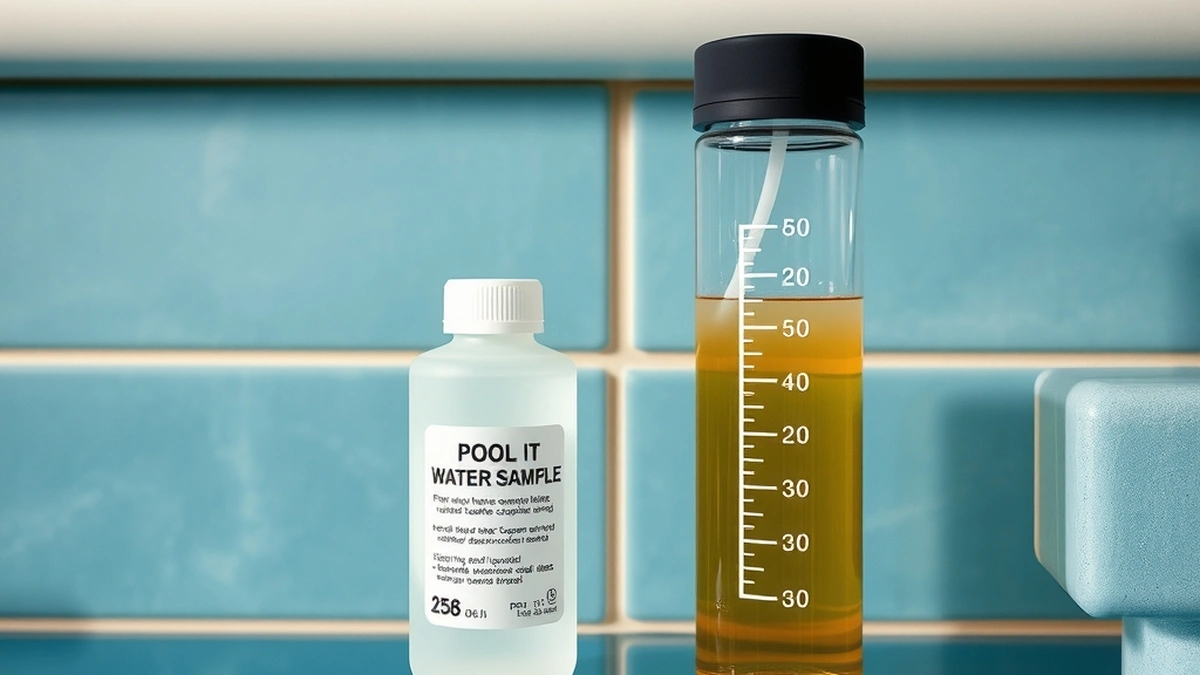
| Parameter | Target | What drift causes |
|---|---|---|
| pH | 7.4-7.6 | Etching below 7.2, scale above 7.8 |
| Total alkalinity | 80-120 ppm | pH bounce when low, cloudiness when high |
| Calcium hardness | 200-400 ppm | Etching when low, scaling when high |
| Cyanuric acid | 30-50 ppm | Chlorine loss when low |
| Salt (if used) | 2,700-3,400 ppm | Chlorinator strain when low |
The mechanism behind etching is simple. Water that is undersaturated with calcium takes calcium from the nearest source, and in a quartz pool that is the cement between the grains. Low pH accelerates it. Once the cement is gone, the grain is exposed and the surface feels rough; there is no chemical that puts it back.
The first 28 days
- Test the fill water before the pool is full, including calcium hardness and stabilizer, and write the numbers down.
- Bring pH to about 7.4 and alkalinity to 80 to 120 ppm, and keep hardness high enough that water does not pull calcium from the new surface.
- Brush twice a day for the first week, then daily through the first month, covering walls, floor, steps, and the sun shelf.
- Keep the heater off for at least two weeks and avoid calcium hypochlorite shock, which can leave deposits on fresh aggregate.
- Run the filter continuously and clean it whenever pressure climbs, because cement dust loads it quickly.
- Re-test daily and adjust in small doses rather than one large correction.
The first month is part of the installation, not routine care. A finish that starts wrong rarely recovers, and the complaints that follow — mottling, grit, early scale — are usually traceable to this window rather than to the product. Quartz problems covers what each failure looks like later.
Brushing, filtering, and the parts people skip
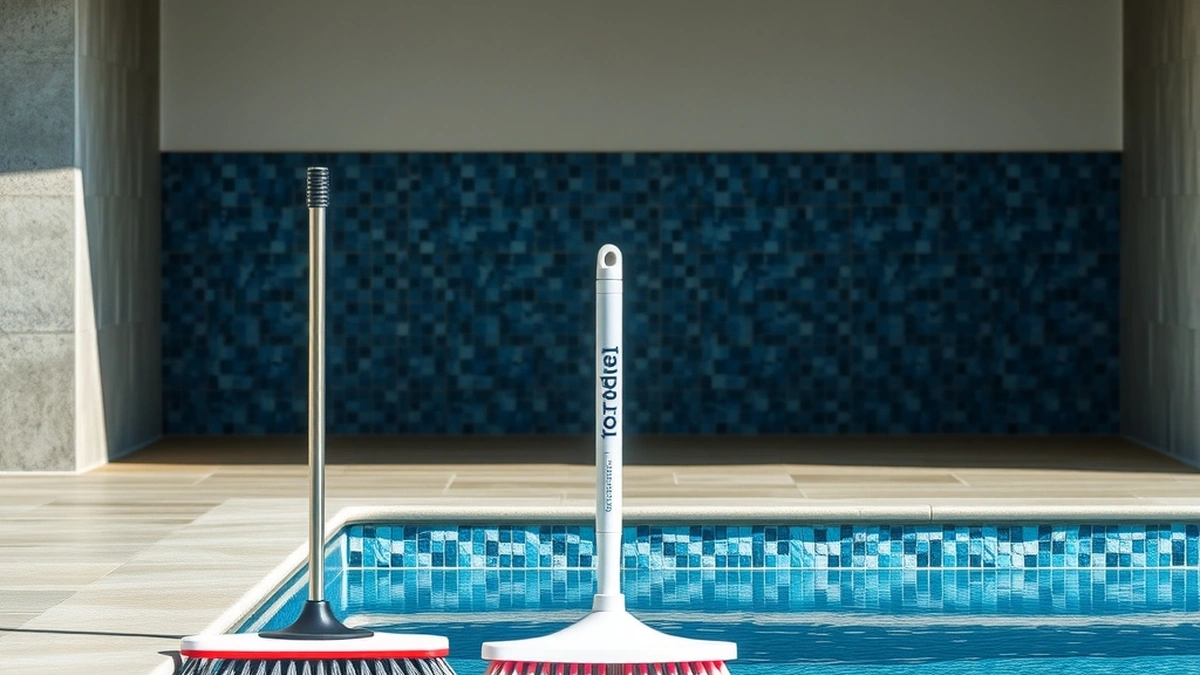
Brush weekly in normal use and twice weekly in hot weather or with heavy bather load. Use a nylon brush on the walls and floor; a stainless brush is for professional scale removal and will scratch the finish in routine use.
Three habits matter more than the rest:
- Brush the steps and the shallow end first. They are warmest, they get the most sun, and they show etching before anywhere else.
- Keep the filter clean. Poor circulation lets algae attach to the walls between brushings, and algae on aggregate is harder to remove than on plaster.
- Watch the tile line. Scale appears there first, and a $300 removal at the first sign is cheaper than a $400 to $800 acid wash later.
Acid wash and scale on aggregate
An acid wash costs $400 to $800 and removes stains by dissolving a thin layer of surface. On quartz, that layer is the cement holding the grain. Do it once and the surface may look better and feel slightly rougher. Do it every few years and the finish turns into loose stone.
Scale is the other treatment trap. Calcium deposits bond to the exposed grain and have to be removed mechanically or with acid, and both take material with them. The cheaper path is prevention: pH below 7.8, alkalinity under 120 ppm, and a hardness reading that matches the fill water rather than a generic target.
Salt systems deserve a note. The chlorinator cell raises pH locally, so scaling at the cell and at the returns is common when alkalinity is high. Check the cell monthly and keep alkalinity at the lower half of the range.
What shortens a quartz finish
- Low pH. The single biggest cause of etching and early roughness.
- Repeated acid washing. Each wash removes the matrix that holds the grain.
- Unchecked scale. Removal takes surface with it, and the deposits return if chemistry is not corrected.
- Calcium hypochlorite shocking. Raises pH sharply and can leave deposits on fresh aggregate.
- Draining in heat. An empty shell in full sun can crack, and the repair costs more than the finish.
- Skipping the startup. The first 28 days decide more than the next ten years.
The arithmetic on prevention is straightforward. A quartz finish costs $6,000 to $12,000, or roughly $400 to $1,200 per year across its life: $6,000 ÷ 15 = $400 and $12,000 ÷ 10 = $1,200. Losing five years turns $6,000 ÷ 15 = $400 into $6,000 ÷ 10 = $600 per year, and the replacement bill arrives while the old one is still fresh. Quartz cost covers the replacement range.
Five checks each month
- Test pH and free chlorine twice a week, alkalinity and hardness monthly.
- Brush the walls, steps, and shallow end, and look for new roughness by hand as well as by eye.
- Clean the filter and note the pressure so you can spot a trend.
- Inspect the tile line and the returns for white scale.
- Check fittings and light niches for cracks where water can get behind the finish.
The hand check is the one owners forget. Quartz looks almost unchanged as it etches, because the color is in the stone. A palm run across the shallow end in month one and again in year three tells you more than a photograph.
The short version
Quartz maintenance is pH at 7.4 to 7.6, alkalinity at 80 to 120 ppm, hardness in range, and weekly brushing, with twice-daily brushing for the first week. Keep it there and the finish reaches 15 years; let pH drift and it etches, goes gritty, and costs $6,000 to $12,000 to replace early. Pool resurfacing maintenance covers the same routine across finishes, and how long pool resurfacing lasts shows what each habit costs in years.
Frequently asked questions
How do you maintain a quartz pool finish?
Keep pH at 7.4 to 7.6, alkalinity at 80 to 120 ppm, and calcium hardness in range, then brush the walls and floor weekly. Test twice a week in summer and adjust chemistry slowly rather than in large doses.
Does quartz need to be brushed?
Yes, weekly once the pool is established. New quartz needs brushing twice a day for the first week and daily through the first month, which removes cement dust and helps the surface cure evenly.
Can you acid wash a quartz pool?
You can, but it should be rare. An acid wash at $400 to $800 removes a thin layer of the cement holding the grain, and repeating it leaves the quartz standing proud and rough. Exhaust other stain treatments first.
Why does quartz get rough over time?
Etching. Water below pH 7.2 dissolves the cement between the quartz grains, so the surface develops a gritty texture in the warm shallow end first. Rebalancing stops it but does not restore the surface.
Does a salt chlorinator hurt quartz?
Not the material, but the cell raises pH and can drive scaling on the surface if alkalinity is high. Quartz pools on salt need the same targets checked more often, especially at the tile line and the returns.
How long should a quartz finish last?
Ten to fifteen years with balanced water and regular brushing. Pools run at low pH, or acid washed repeatedly, land at ten or below, and the replacement cost is $6,000 to $12,000.
Sources
Some links are affiliate links.If you buy through them we may earn a commission at no extra cost to you. We do not accept payment for rankings. Read the full disclosure.