Fiberglass pool resurfacing
How a fiberglass overlay works on a concrete pool, how gelcoat renewal works on a fiberglass shell, and what each costs.
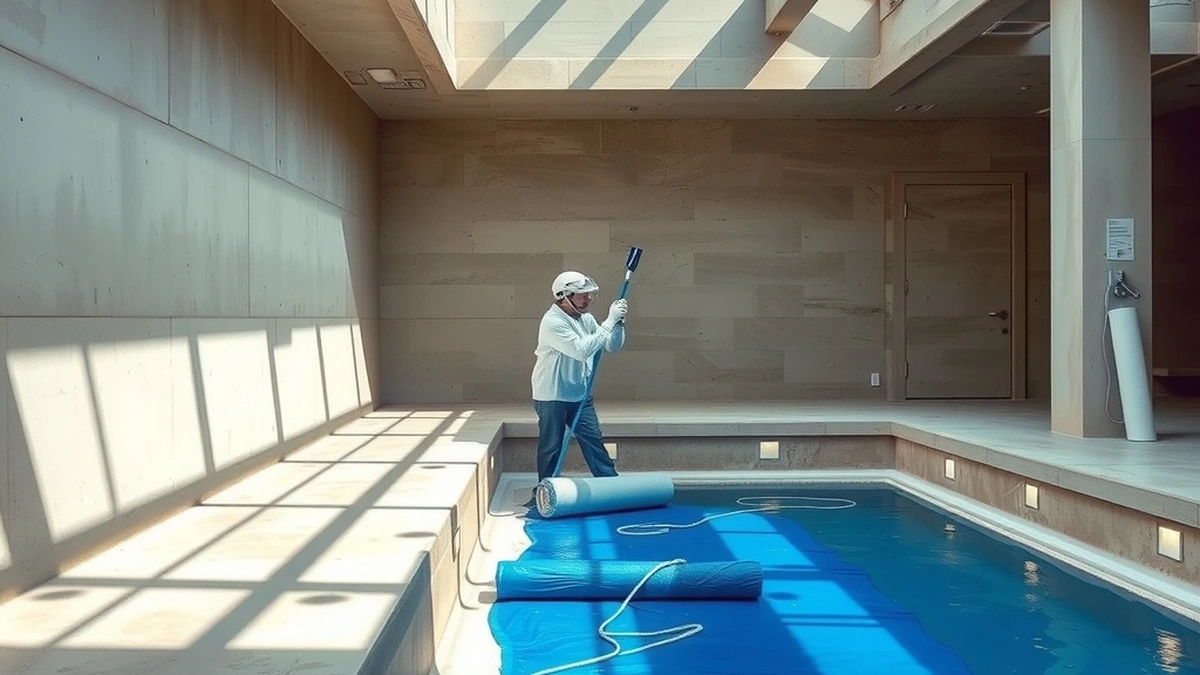
Fiberglass pool resurfacing costs about $5,000 to $12,000 and applies a resin and glass-mat layer over a prepared shell. On a fiberglass pool the job is usually gelcoat renewal; on concrete it covers cracking and delamination.
- Fiberglass overlay
- $5,000-$12,000
- Typical overlay life
- 10-15 years
- White plaster comparison
- $4,000-$10,000
- Pebble comparison
- $8,000-$15,000
Some links on this page are affiliate links.If you buy through them we may earn a commission at no extra cost to you. We do not accept payment for rankings. Read the full disclosure.
Fiberglass pool resurfacing costs roughly $5,000 to $12,000 and puts a new resin-and-glass surface over a prepared shell. It is used two ways: as an overlay on a concrete pool with recurring cracks or delamination, and as gelcoat renewal on a fiberglass pool whose surface has chalked or blistered. The two jobs share materials and almost nothing else, including price.
Two jobs, one name
Fiberglass pool resurfacing is the application of a polyester or vinyl ester resin with glass reinforcement to create a new watertight surface. On a concrete pool, that means a full overlay over gunite or shotcrete. On a fiberglass pool, it usually means removing the failed gelcoat and applying new gelcoat and sometimes a fresh mat layer.
The distinction matters at quoting time. An overlay on concrete is a structural decision; gelcoat renewal on fiberglass is maintenance. A contractor who quotes one when you need the other will produce a surface that fails within a season, because resin does not bond to a chalky gelcoat and gelcoat does not bridge a moving crack.
What the overlay process involves
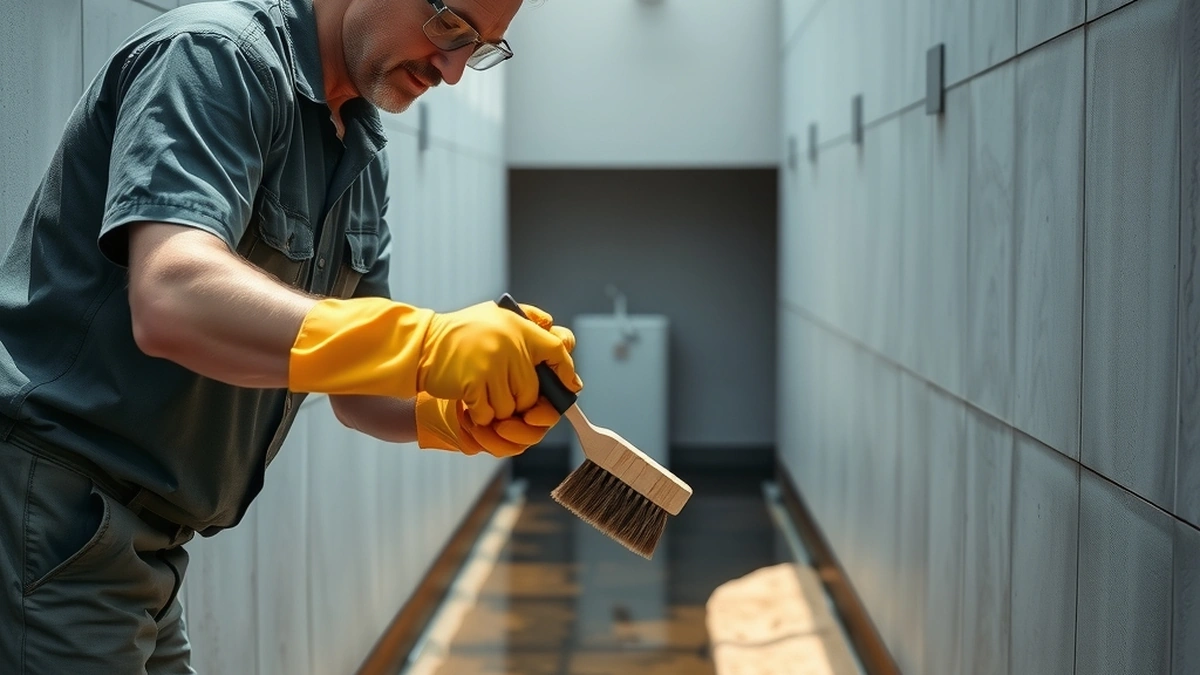
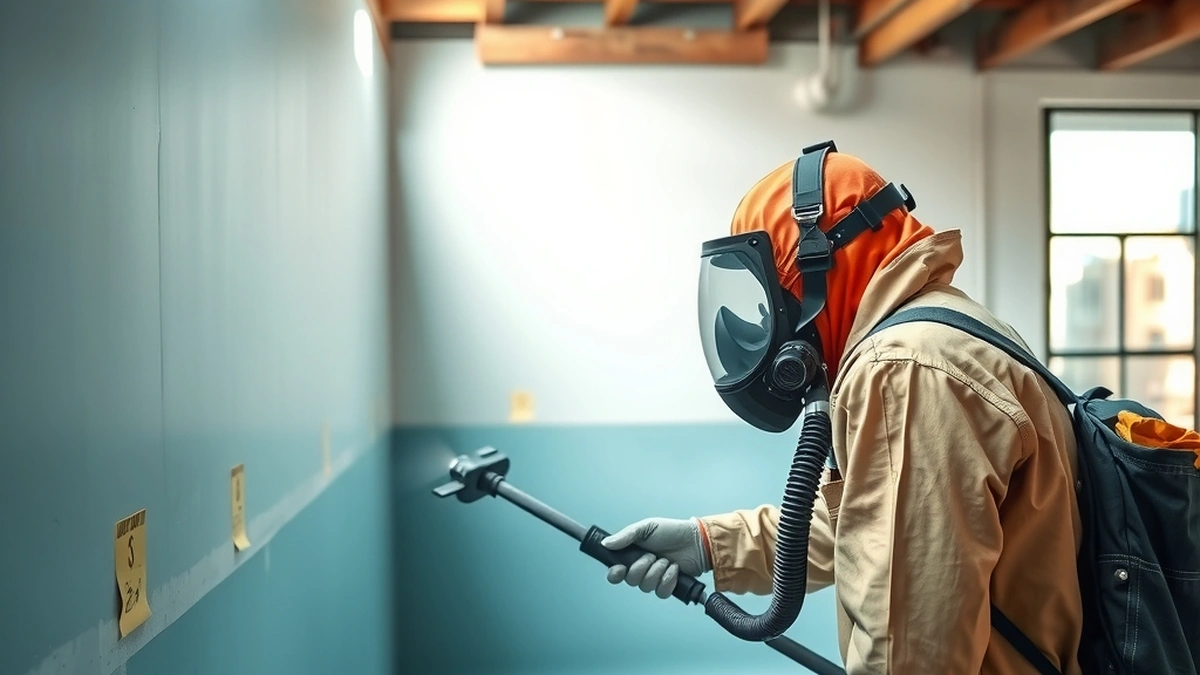
- Drain the pool and remove fittings, lights, and the old finish down to sound substrate. Loose plaster, delaminated patches, and failed paint all have to come off.
- Repair the shell: cut out and fill cracks, replace hollow render, and address any leak at fittings or the skimmer throat before the surface goes on.
- Grind and dry the substrate. Fiberglass will not bond to a damp or dusty surface, and moisture trapped under the layer blisters in the first season.
- Apply resin and glass mat in layers, working the mat flat and removing air bubbles as you go. Thickness is built up rather than sprayed on in one pass.
- Sand fair, then apply the gelcoat or topcoat that provides colour and the water-contact surface. This is the layer that determines how the pool looks and how it wears.
- Cure, then fill and balance the water. Fiberglass does not need the 28-day plaster cure, but the first weeks of chemistry still set the surface’s long-term condition.
Cost and the arithmetic behind it
For a 15 by 30 foot pool, floor area is 450 square feet and the perimeter is 90 feet. At 4.5 feet average depth, wall area is 90 × 4.5 = 405 square feet, giving about 855 square feet of interior surface.
An overlay at $5,000 to $12,000 therefore works out to $5.85 to $14.04 per square foot of interior surface ($5,000 ÷ 855 = $5.85; $12,000 ÷ 855 = $14.04). That range overlaps white plaster at $4.68 to $11.70 per square foot and sits below pebble at $9.36 to $17.54.
Where the money goes is different from plaster. Fiberglass carries higher material cost and lower labour per square foot, so small pools are proportionally more expensive and large pools relatively cheaper. Prep and crack repair are the variables that move a quote most.
Fiberglass vs plaster vs pebble
| Factor | Fiberglass overlay | White plaster | Pebble finish |
|---|---|---|---|
| Cost (855 sq ft) | $5,000-$12,000 | $4,000-$10,000 | $8,000-$15,000 |
| Expected life | 10-15 years | 7-12 years | 15-20 years |
| Surface feel | Smooth, slightly slick | Smooth | Textured, slip-resistant |
| Chemistry tolerance | High | Low | High |
| Colour options | Limited, mostly blue | White and tints | Wide stone blends |
| Best for | Cracking or delaminating shell | Tight budget | Heavy use, long hold |
The chemistry column is the one buyers underestimate. Fiberglass is non-porous, so it does not consume chlorine the way fresh plaster does and it resists pH swings. That makes it easier to keep balanced, which is also why gelcoat can last 15 years in a pool where plaster would have failed at 10.
When fiberglass is the right call
An overlay is the right answer when the concrete shell is sound but the finish keeps failing. Pools that have been replastered twice in 20 years, pools with widespread map cracking, and pools where delamination covers a large share of the surface are all candidates. It is also the sensible route when you want a smooth, low-maintenance surface without the brushing load of exposed aggregate.
It is also the standard renewal for a fiberglass pool whose gelcoat has chalked white, stained permanently, or developed osmotic blisters. In that case the shell is fine and only the surface layer is being replaced.
When it is the wrong call
Do not overlay fiberglass on a shell with structural movement, active leaks in the shell, or an unknown substrate. Fiberglass is thin and flexible relative to gunite; it will telegraph movement rather than resist it. It is also the wrong choice if colour matters more than durability, because the palette is limited and a dark finish shows every imperfection in the substrate.
And do not accept an overlay as a way to avoid removing failing plaster. The saving is real for one season and negative afterward. Refinish vs resurface explains what the honest version of that shortcut looks like.
Caring for a fiberglass surface
Keep pH at 7.2 to 7.8 and alkalinity at 80 to 120 ppm, as with any finish. Do not use a stainless brush; a soft brush and a vinyl-safe vacuum head are enough. Avoid draining a fiberglass pool unnecessarily, because an empty shell in high groundwater can shift. And keep an eye on the gelcoat at the waterline, where sun exposure and chemistry meet and where chalking starts first.
Cost of ownership
Over 15 years at the top of its range, a $12,000 overlay costs $800 per year. A $6,000 plaster installed at the same time and replaced once inside that window costs more in total, even though it is cheaper on day one. That comparison, rather than the sticker price, is the reason fiberglass holds its place against plaster and pebble. How long pool resurfacing lasts covers the lifespan assumptions behind it, and types of pool resurfacing sets fiberglass against the other options.
Frequently asked questions
How much does fiberglass pool resurfacing cost?
A fiberglass overlay on a concrete pool runs about $5,000 to $12,000 for a typical residential pool. Gelcoat renewal on an existing fiberglass shell is usually less.
How long does a fiberglass overlay last?
An estimated 10 to 15 years. Surface life depends on gelcoat condition, water chemistry, and how much direct sun the pool receives.
Can you fiberglass over plaster?
Yes, after the loose plaster is removed and the shell is repaired and dried. Fiberglass bonded over delaminating plaster will release with the plaster beneath it.
Is fiberglass cheaper than replastering?
It overlaps. Fiberglass is $5,000 to $12,000 against $4,000 to $10,000 for white plaster and $8,000 to $15,000 for pebble, so neither is uniformly cheaper.
Does a fiberglass pool need resurfacing?
A fiberglass shell does not need a new structural layer, but its gelcoat chalks, fades, and blisters over time and is renewed roughly every 10 to 15 years.
Can a fiberglass pool be resurfaced with plaster?
Not reliably. Plaster does not bond well to a flexible fiberglass shell, and the movement between the two materials causes cracking and delamination.
Sources
Some links are affiliate links.If you buy through them we may earn a commission at no extra cost to you. We do not accept payment for rankings. Read the full disclosure.