Types of Pool Resurfacing: A Complete Guide
Compare the main resurfacing methods for residential pools in the United States.
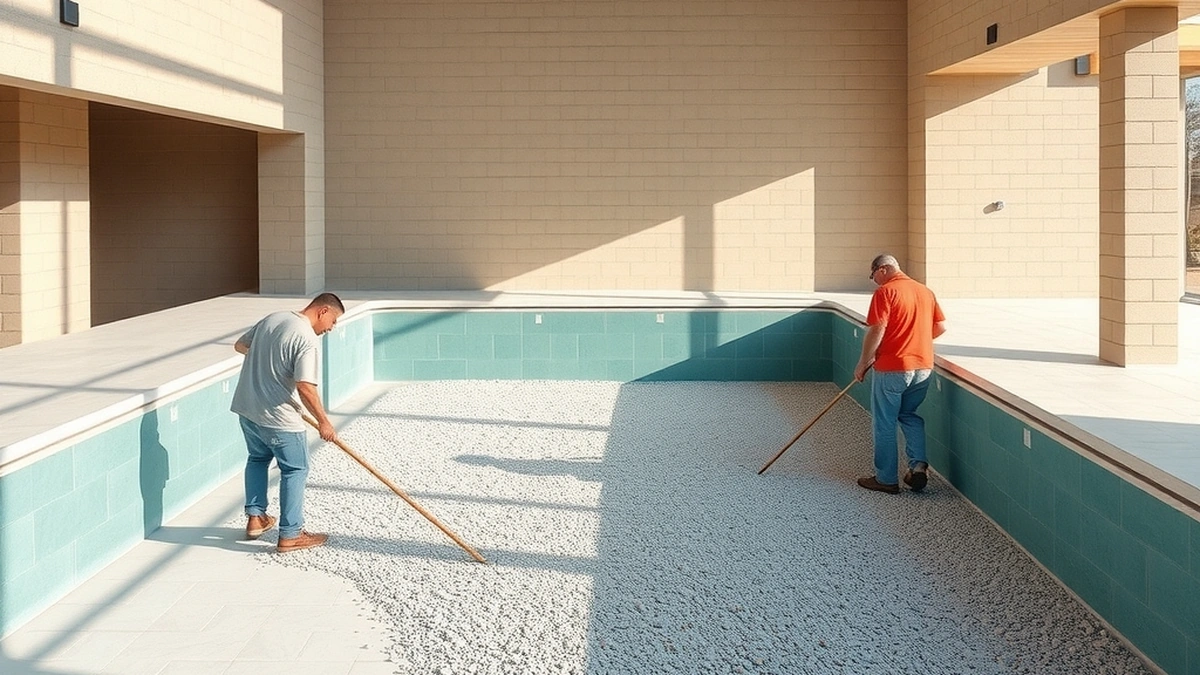
The main resurfacing options are white plaster, quartz aggregate, pebble finish, fiberglass overlay, and tile replacement. Each suits different pool conditions and budgets.
- Typical range
- Varies by system and site
- First step
- Measure the space and confirm the load
- Professional help
- Recommended for structural or electrical work
Some links on this page are affiliate links.If you buy through them we may earn a commission at no extra cost to you. We do not accept payment for rankings. Read the full disclosure.
Types of Pool Resurfacing: A Complete Guide
Pool resurfacing is one of the most common reasons homeowners call contractors. The process restores your pool’s appearance and extends its useful life, but not all resurfacing methods are created equal. Understanding the differences helps you choose the right approach for your pool’s condition, your budget, and your long-term goals. Here are the main types of pool resurfacing available to residential pool owners in the United States.
Overview of Pool Resurfacing Types
When a pool needs resurfacing, the contractor evaluates the existing surface, water chemistry, and structural condition before recommending a method. The five primary resurfacing options fall into two categories: traditional resurfacing materials that replace the entire pool surface, and overlay or replacement approaches that address specific damage. Each carries a different price range, labor profile, and aesthetic result. Below is a summary of the major types.
| Type | Price Range | Best For |
|---|---|---|
| White Plaster | $4,000–$10,000 | Traditional pools, budget-conscious owners |
| Quartz Aggregate | $6,000–$12,000 | Modern aesthetics, algae resistance |
| Pebble Finish | $8,000–$15,000 | Natural look, moderate wear pools |
| Fiberglass Overlay | $5,000–$12,000 | Repairing damaged surfaces |
| Tile Replacement | $1,500–$5,000 | Tile-line issues only |
White Plaster — The Classic Choice
White plaster remains the most widely recognized pool resurfacing option. It involves applying a cement-based slurry over the existing pool shell, then troweling and finishing the surface to a smooth, consistent texture. The finished surface can be left polished or given a matte finish.
Cost breakdown: For a typical residential pool of 15 by 30 feet, the plaster itself runs approximately $2 to $4 per square foot. Labor adds another $1.50 to $3 per square foot. So a 450-square-foot pool shell could realistically cost between $1,350 and $2,700 in materials plus $675 and $1,350 in labor, placing the total range around $4,000 to $10,000 depending on regional labor rates and whether the contractor brings their own equipment.
Pros: Inexpensive relative to other resurfacing options, widely available, familiar aesthetic.
Cons: Can show algae if water chemistry is off; more porous than newer alternatives; requires more maintenance than quartz or pebble finishes.
Quartz Aggregate — The Modern Alternative
Quartz aggregate resurfacing uses a blend of stone dust and polymer binder applied over the pool shell. The result is a smooth, non-glossy surface that resists algae growth much better than white plaster because the mineral composition discourages biological attachment.
Cost breakdown: Stone dust and polymer materials cost about $3 to $5 per square foot. Labor adds $2 to $4 per square foot. For a 15 by 30 foot pool, that translates to roughly $900 to $1,800 in materials and $900 to $1,200 in labor, bringing the total estimate to $6,000 to $12,000.
Pros: Lower algae risk, durable, modern appearance, easier to maintain.
Cons: Higher upfront cost than white plaster; requires professional application for best results.
Pebble Finish — Natural Texture
Pebble finish resurfacing uses small, rounded pebbles embedded in a cementitious matrix. The surface has a warm, stone-like texture that many homeowners find appealing. This method is popular for above-ground pools and backyard in-ground pools alike.
Cost breakdown: Pebbles and cementitious mix cost approximately $4 to $7 per square foot. Labor runs $2 to $4 per square foot. A 450-square-foot pool would therefore cost between $2,700 and $4,500 in materials alone, with labor adding another $900 to $1,800, for a total estimate of $8,000 to $15,000.
Pros: Attractive natural appearance, durable, good slip resistance.
Cons: Most expensive resurfacing option listed here; pebbles can shift over time under heavy use.
Fiberglass Overlay — The Repair Approach
A fiberglass overlay does not replace the entire pool surface. Instead, a thin layer of fiberglass cloth and resin is bonded over an existing pool shell that has cracking, delamination, or thinning. This is technically a repair rather than a full resurface, but it is included here because many homeowners confuse it with resurfacing.
Cost breakdown: Fiberglass mat and resin materials cost roughly $2 to $5 per square foot. Labor adds $1 to $3 per square foot. For a 450-square-foot pool, the total estimate lands between $5,000 and $12,000.
Pros: Effective for structural damage, less invasive than full resurfacing, preserves the original shell.
Cons: Does not address cosmetic aging of the surface underneath; limited aesthetic improvement over time.
Tile Replacement — When to Replace Rather Than Resurface
Tile replacement is not a pool resurfacing method in the traditional sense. If your pool’s tile line is stained, cracked, or delaminating, the contractor will remove the old tile and install new tile rather than applying a new pool surface. This option is significantly cheaper than full resurfacing.
Cost breakdown: New ceramic or porcelain tile installation for a standard pool perimeter typically runs $1 to $3 per linear foot. For a 30-foot pool perimeter, that is $30 to $90 in materials plus $100 to $200 in labor, for a total estimate of $1,500 to $5,000.
Pros: Cheaper than resurfacing, solves tile-specific problems.
Cons: Only fixes the tile line, not the pool shell beneath it.
Acid Wash — A Maintenance Treatment
Acid washing is sometimes confused with resurfacing. It is a chemical treatment that removes stains, etching, and discoloration from an existing pool surface without replacing the material. The process uses muriatic acid to dissolve mineral deposits and restore a cleaner appearance.
Cost breakdown: Acid wash chemicals cost roughly $100 to $300, and labor adds another $200 to $500, bringing the total estimate to $400 to $800.
Pros: Least expensive option, fast turnaround, no structural changes.
Cons: Temporary fix only; will recur if the underlying cause is not addressed.
Choosing the Right Method
Selecting the right resurfacing type depends on your pool’s current condition, your budget, and how long you want the surface to last. If your pool shell is sound and you want a familiar look, white plaster offers the best value. If algae resistance and modern aesthetics matter most, quartz aggregate delivers superior performance. For homeowners prioritizing a natural appearance and willing to invest more, pebble finish provides a distinctive look. If your shell has structural damage, a fiberglass overlay may be the appropriate repair. And if only the tile line needs attention, tile replacement is the most cost-effective path.
Pool resuracing is a significant investment, so getting three quotes from licensed contractors is wise. Ask each quote what they include in labor, whether they bring their own mixing equipment, and how they handle water chemistry adjustments before and after application. For more details on pool resurfacing costs and installation timelines, visit our cost guide.
Next, compare how much does pool resurfacing cost, pool resurfacing installation, pool resurfacing repair before you commit.
Frequently asked questions
What are the common types of pool resurfacing?
The most common types are white plaster, quartz aggregate, pebble finish, fiberglass overlay, and tile replacement, each chosen based on pool condition, budget, and desired aesthetic.
What does white plaster resurfacing cost?
White plaster resurfacing typically costs between $4,000 and $10,000 depending on pool size, wall configuration, and labor rates across the United States.
When should I choose quartz aggregate over white plaster?
Quartz aggregate is preferred when you want a modern, non-glossy surface that resists algae better than traditional white plaster while still keeping costs competitive.
Is pebble finish suitable for all pools?
Pebble finish works well for pools with moderate wear and homeowners who want a natural, textured look but it may not be ideal for heavily used pools that see rough handling.
What is a fiberglass overlay and when is it used?
A fiberglass overlay involves applying a thin layer of fiberglass mat over an existing pool shell, often used as a repair method rather than a full resurface.
Is acid washing considered a resurface?
Acid washing is a chemical cleaning treatment, not a resurface. It costs roughly $400 to $800 and addresses stains and etching rather than replacing the pool surface.
Sources
Some links are affiliate links.If you buy through them we may earn a commission at no extra cost to you. We do not accept payment for rankings. Read the full disclosure.