DIY pool resurfacing: what you can and cannot do
Which parts of a pool resurface a homeowner can handle safely, which require a crew, and what a DIY attempt actually costs in materials.
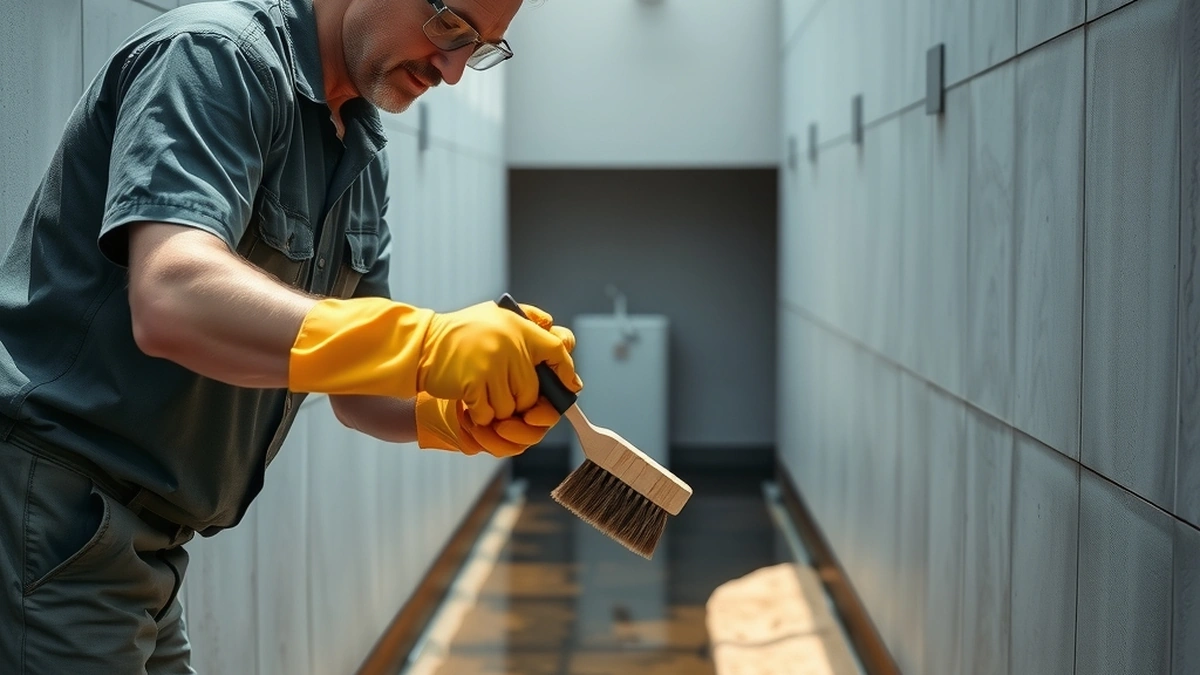
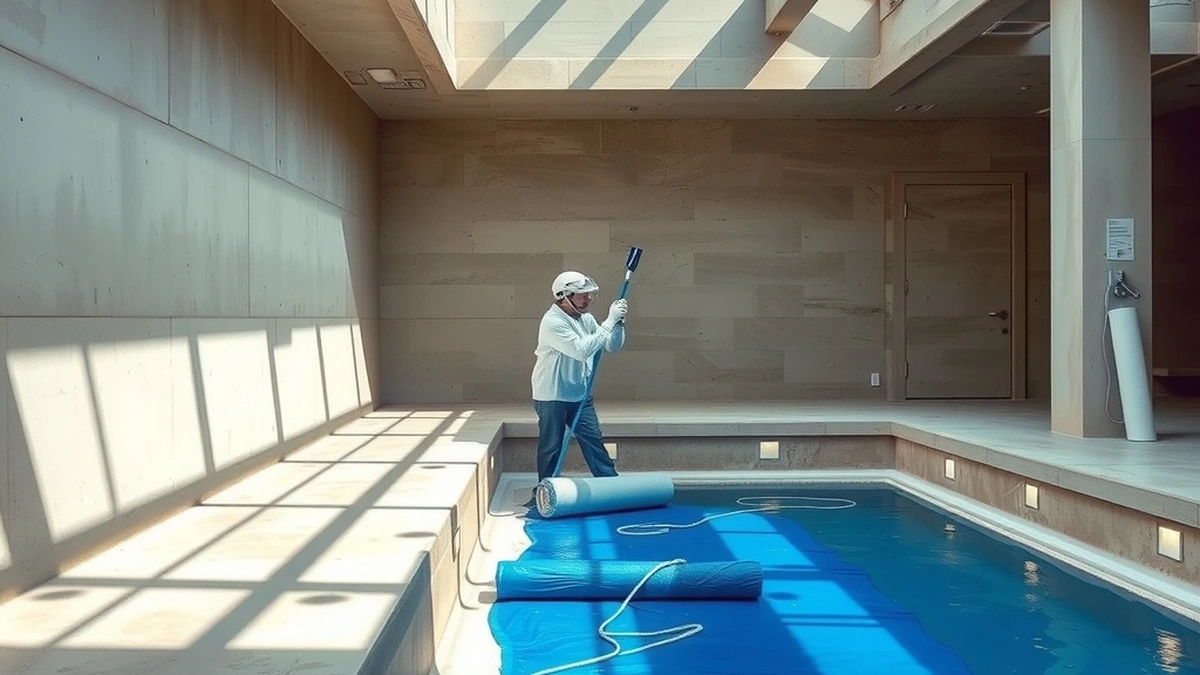
A homeowner can drain, clean, prep, patch, replace tile, and manage startup chemistry. Troweling plaster or pebble, applying fiberglass, and repairing structural cracks need a trained crew because the finish sets in minutes.
- DIY materials (855 sq ft)
- $1,800-$3,000
- Pro white plaster
- $4,000-$10,000
- Acid wash (pro)
- $400-$800
- Pool paint life
- 3-5 years
Some links on this page are affiliate links.If you buy through them we may earn a commission at no extra cost to you. We do not accept payment for rankings. Read the full disclosure.
DIY pool resurfacing is realistic for preparation, patching, tile, cleaning, and water care, and unrealistic for the finish coat itself. Troweled plaster and exposed aggregate are applied against a clock: the material begins to set within minutes, and a surface that has been worked too long or too little cannot be fixed by sanding it later. The line between the two is worth understanding before you rent a mixer.
What DIY resurfacing means
DIY pool resurfacing is any part of the finish renewal a homeowner performs without a trained applicator. That covers draining and refilling, removing scale and stains, chipping loose material, patching small defects, replacing waterline tile, and running the startup chemistry. It does not usually cover the finish coat, because the skill involved is in the wrist, not the instructions.
What you can do yourself
Drain and clean. Pumping out the pool, removing debris, and pressure-washing the shell is straightforward labour. Check with your municipality before draining: some areas restrict discharging chlorinated water to storm drains, and a pool left empty in high groundwater can lift out of the ground.
Chip and scrape loose material. A chipping hammer or a wide scraper removes flaking plaster and hollow patches. This is the least glamorous and most valuable work on the project, because every loose patch you leave behind becomes a failure under the new finish.
Patch small defects. Shallow spalls, chips around fittings, and cosmetic cracks under 1/16 inch can be filled with a hydraulic cement or pool patching compound. Larger or repeating cracks are a different problem — see pool resurfacing repair for what those involve.
Replace waterline tile. Tile work is slow but learnable. A 90 foot waterline band at $1,500 to $5,000 professionally installed is mostly labour, and a careful homeowner with a wet saw can do a serviceable job.
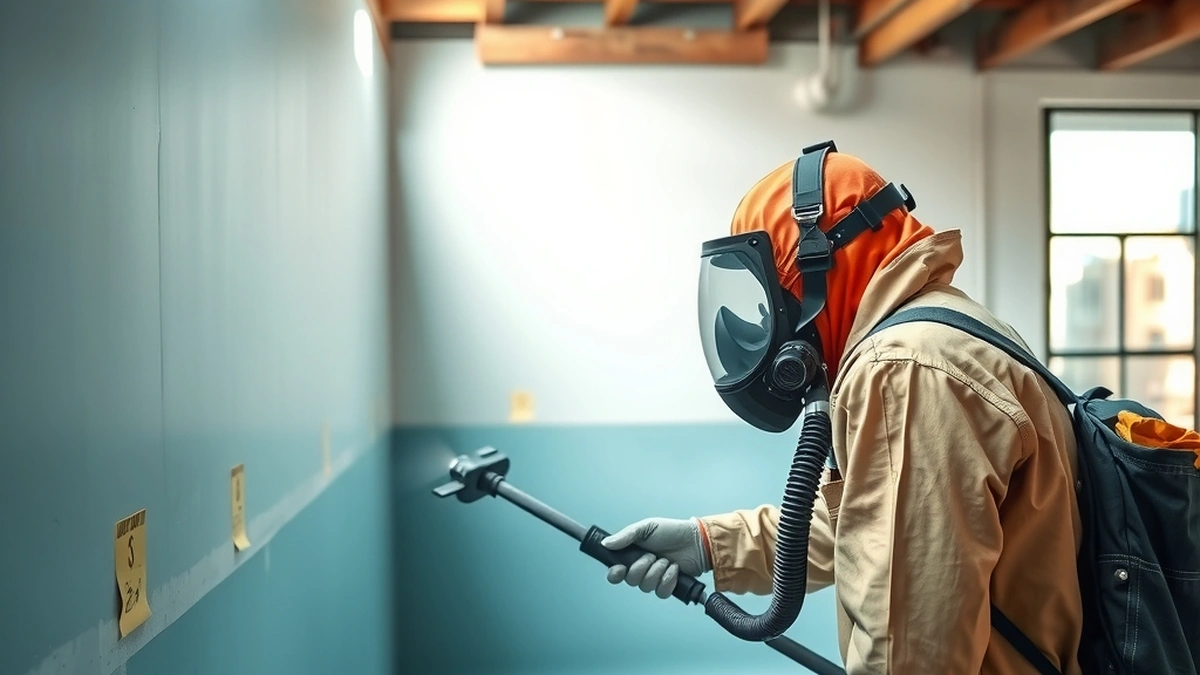
Acid wash, with real precautions. An acid wash removes scale and stains and costs $400 to $800 from a professional. It is not a resurface and it will not restore a worn surface, but as preparation before patching it is within reach of a careful homeowner wearing acid-resistant gloves, goggles, and a respirator.
Run the startup chemistry. Brushing, pH control, and alkalinity testing for the first 28 days is homeowner work. It is also the single biggest determinant of how long the new finish lasts.
What you cannot realistically do
Trowel a plaster finish. A crew applies plaster in sections, working from the top of the wall down, keeping a wet edge, and finishing each section before it sets. Two people on a 855 square foot pool have roughly an hour of working time for the whole shell. A first-time applicator produces trowel marks, cold joints, and a surface that fails within a season.
Spray or expose aggregate. Quartz and pebble finishes require consistent mix, consistent thickness, and, for pebble, washing the surface at exactly the right moment to expose stone without loosening it. There is no way to rehearse this on a small area and then scale up.
Apply fiberglass. A fiberglass overlay at $5,000 to $12,000 involves resin chemistry, mat layup, and cure control. Resin that kicks too fast or too slow ruins the layer, and the fumes require respiratory protection and ventilation that a residential pool deck rarely has.
Repair structural cracks. Epoxy injection, staple stitching, and shell repair are engineering work. Covering an active crack with a new finish hides it for a season and then reproduces it in the new surface.
What a DIY attempt actually saves
Materials for an 855 square foot interior are not trivial. At roughly 22 square feet per 100 pound bag, the shell needs about 39 bags (855 ÷ 22 = 38.9). At $30 to $45 per bag that is $1,170 to $1,755. Add bond coat at $150 to $400, a mixing paddle and drill, trowels, hoses, and disposal of the old finish, and the material total lands around $1,800 to $3,000.
Against a professional white plaster job at $4,000 to $10,000, that looks like a large saving. It is only a saving if the result lasts. A failed DIY finish means paying for the professional job anyway, plus disposal of the failed coat, which is why the arithmetic rarely closes. The full cost breakdown shows where labour sits in a professional quote.
The only coating that is genuinely DIY
Pool paint is the exception. Epoxy or acrylic pool paint costs roughly $30 to $60 per gallon and covers 200 to 300 square feet per gallon, so an 855 square foot shell needs three to five gallons, or about $150 to $300 in paint. It can be rolled on over a sound, etched surface.
The catch is service life, estimated at 3 to 5 years, and the prep requirement: paint will not bond to chalky, rough, or damp plaster. Once a pool is painted, every future resurface has to remove the paint first. Paint is a stopgap before a sale or a season, not a substitute for resurfacing.
DIY vs professional, side by side
| Factor | DIY | Professional |
|---|---|---|
| Typical cost | $1,800-$3,000 in materials | $4,000-$15,000 installed |
| Time on site | 2-4 weekends | 5-10 working days |
| Finish options | Paint, patch, tile | Plaster, quartz, pebble, fiberglass |
| Warranty | None | Usually 1-5 years on workmanship |
| Main risk | Early failure, no recourse | Cost, scheduling |
How to decide
- Confirm the shell is sound. If there is widespread delamination or a structural crack, the project is not a DIY candidate at any budget.
- Decide what you are actually doing: patch and paint, tile only, or a full finish. Only the first two are realistic.
- Price the materials honestly, including disposal, equipment rental, and the water to refill the pool.
- Get one professional quote for comparison, itemised by removal, repair, and finish. It is the only way to see what your labour is worth.
- If you proceed, read pool resurfacing installation for the sequence a crew follows, so your prep matches what the finish needs.
The short version
You can prepare a pool for resurfacing, patch it, tile it, and care for it afterward. You cannot trowel a plaster finish or lay up fiberglass on a first attempt and expect it to last. Paint is the one DIY coating, and it buys years, not decades. Everything between those two points is a professional job, and the money saved by pretending otherwise is usually spent twice.
Frequently asked questions
Can I resurface my own pool?
You can prepare, patch, clean, and replace tile yourself. Applying a troweled plaster, quartz, or pebble finish is not a realistic DIY job because the material sets faster than an untrained hand can work it.
What is the cheapest DIY pool finish?
Epoxy or acrylic pool paint is the cheapest coating at roughly $30 to $60 per gallon, but it lasts about 3 to 5 years and cannot be applied over a rough or delaminating surface.
How much do plaster materials cost for a DIY job?
For an 855 square foot interior, expect roughly 39 bags of plaster at $30 to $45 each, or $1,170 to $1,755, plus bond coat, mixing equipment, and disposal.
Is acid washing a pool a DIY job?
It can be, with proper PPE and acid handling, but it is a chemical treatment costing $400 to $800 professionally and it does not restore a worn finish.
Why do DIY plaster jobs fail?
The usual causes are mixing too much material at once, applying it in direct sun or wind, skipping the bond coat, and filling the pool before the surface has set properly.
Can I resurface just the top part of the pool?
Patch repairs and waterline tile are practical DIY work. A partial resurface across the whole shell is not, because the new and old finish will not bond evenly at the seam.
Sources
Some links are affiliate links.If you buy through them we may earn a commission at no extra cost to you. We do not accept payment for rankings. Read the full disclosure.