Plaster maintenance: the routine that reaches 12 years
Water chemistry targets, brushing, and acid wash timing for a plaster pool, and the habits that decide whether the finish lasts 7 years or 12.
Plaster maintenance is mostly water chemistry: pH near 7.4, alkalinity at 80 to 120 ppm, calcium hardness in range, and brushing once a week. Held there, a $4,000 to $10,000 plaster finish reaches 12 years instead of 7, and acid washing stays a rare event, not a yearly habit.
- pH target
- 7.4 to 7.6
- Alkalinity
- 80-120 ppm
- Brushing
- Weekly, twice weekly when new
- Acid wash
- $400-$800
- Expected life
- 7-12 years
Some links on this page are affiliate links.If you buy through them we may earn a commission at no extra cost to you. We do not accept payment for rankings. Read the full disclosure.
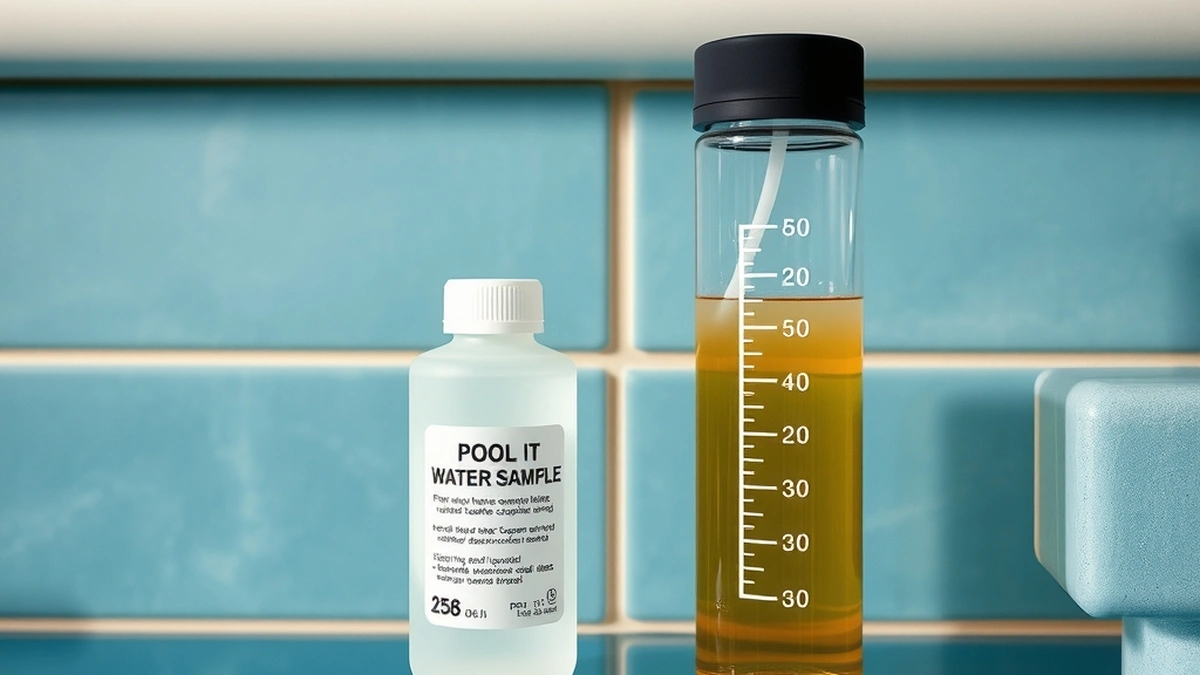
Plaster maintenance is mostly water chemistry, not cleaning. A plaster finish kept at pH 7.4 to 7.6, alkalinity at 80 to 120 ppm, and calcium hardness in range will reach the top of its 7 to 12 year life; the same finish run at pH 7.0 for two summers will etch, go rough, and fail early. Brushing and filtration matter, but they cannot undo aggressive water.
What the routine covers
Plaster maintenance is the set of weekly and seasonal actions that keep a cementitious surface from dissolving, scaling, or staining. It covers testing and adjusting the four core numbers, brushing the walls and floor, cleaning the filter, managing stains before they bond, and knowing when an acid wash is the right tool and when it is just damage.
The surface is slightly porous and alkaline. It reacts with whatever the water is doing, slowly and continuously. There is no maintenance step that reverses that reaction, which is why prevention is the whole job.
The four numbers to hold
| Parameter | Target | What drift causes |
|---|---|---|
| pH | 7.4-7.6 | Etching below 7.2, scaling above 7.8 |
| Total alkalinity | 80-120 ppm | pH bounce when low, cloudiness when high |
| Calcium hardness | 200-400 ppm | Etching when low, scaling when high |
| Cyanuric acid | 30-50 ppm | Chlorine burn-off when low |
Those ranges are the common residential targets. Hard fill water in the Southwest can make 400 ppm calcium unavoidable, in which case the answer is tighter pH control rather than a different number.
The arithmetic of etching is simple: water that is undersaturated with calcium will take calcium from the nearest source, and in a plaster pool that source is the finish. Low pH is the usual accelerator, which is why pH is checked more often than anything else.
Brushing and cleaning
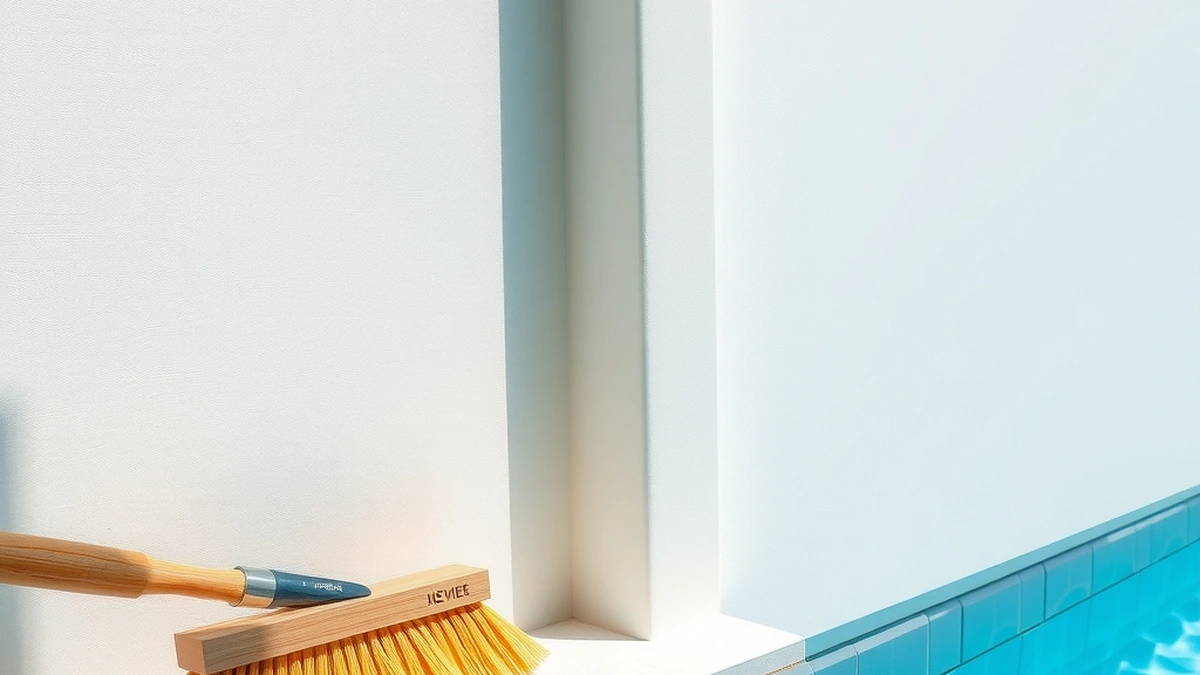
Brush the walls, floor, steps, and sun shelf once a week, and twice a week in hot weather or when the pool is heavily used. A nylon brush is right for plaster; a stainless brush is for scale removal by a professional and will scratch a finish in daily use.
Three habits keep the surface intact:
- Brush toward the main drain so debris reaches the filter rather than settling back.
- Vacuum without scrubbing the surface hard. A vacuum head dragged with pressure over the same line wears the plaster.
- Never drain a plaster pool to clean it in hot weather. An empty shell in sun can crack, and the finish can shrink away from the walls.
Filter cleaning belongs on the same schedule. Plaster dust and fine sediment load a cartridge or DE filter quickly, and a dirty filter means poor circulation, which means algae attaches to the walls between brushings.
The maintenance calendar
Weekly: test pH and free chlorine, brush the walls, empty skimmer baskets, check the filter pressure.
Monthly: test alkalinity, calcium hardness, and stabilizer, clean the filter, inspect the tile line for scale, and look at the steps and shallow end for roughness that was not there last month.
Seasonally: check the surface after winter, adjust the pump schedule for bather load, and inspect fittings and light niches for cracks where water can get behind the finish. Those cracks are how plaster problems begin.
Every few years: a professional inspection if the finish is past year seven, especially if the pool has a history of scale or the shell has moved.
Acid wash, and why not to make it annual
An acid wash costs $400 to $800 and removes stains by dissolving a thin layer of the surface. It works. It also takes material with it, and a plaster finish is only about three-eighths to half an inch thick.
A pool washed every year loses surface faster than one washed once in a decade, and the roughness that follows is often what owners were trying to fix. Use it when staining is widespread and cannot be lifted by balancing the water, when the surface is dull but sound, and when a sale or a rental turnover needs the pool to look right. Do not use it as a substitute for chemistry. Acid wash cost covers what it does and does not fix.
What shortens a plaster finish
- Low pH. The single biggest cause of etching and early failure. A pool held at 7.0 for a summer loses years.
- Heavy calcium hypochlorite shocking. It raises pH sharply and can leave deposits on fresh plaster.
- Annual acid washing. Each wash shortens the surface it cleans.
- Draining in heat. An empty pool in full sun can crack, and the repair costs more than the resurface.
- Ignoring small cracks. Water behind the finish turns a $300 injection into a $2,000 delamination repair.
- Poor startup after installation. The first 28 days decide more than the next ten years of routine.
The finish ranges from $4,000 to $10,000 installed, so a year lost is roughly $333 to $1,429 of value. How long pool resurfacing lasts breaks that calculation down by finish.
Five steps to set up the routine
- Get a full water test from a pool store or a proper kit, including calcium hardness and stabilizer, not just chlorine and pH.
- Write the targets on a card and keep them with the test kit, because pool-store printouts shift with the season.
- Set a weekly reminder to test pH and free chlorine and to brush the walls; this is the habit that carries the rest.
- Record adjustments for a month so you can see whether pH is drifting up or down, and why.
- Book a professional inspection at year seven, before small problems become structural ones.
The record is the part most owners skip, and it is the part that makes the rest useful. A pool that needs a quart of acid every week is telling you something about alkalinity or aeration that a single test cannot.
The short version
Plaster maintenance is pH at 7.4 to 7.6, alkalinity at 80 to 120 ppm, calcium hardness in range, weekly brushing, and a filter that actually runs clean. Do that and the finish reaches 12 years instead of 7, and an acid wash at $400 to $800 stays a rare event. The full schedule across all finishes is in pool resurfacing maintenance, and plaster cost covers what replacement costs when the routine has been skipped.
Frequently asked questions
How do you maintain a plaster pool?
Keep pH near 7.4, total alkalinity at 80 to 120 ppm, calcium hardness in range for your fill water, and brush the walls and floor weekly. Test at least twice a week in summer and adjust slowly rather than in large doses.
Does plaster need to be brushed?
Yes. Weekly brushing lifts algae before it attaches and keeps the surface from developing a film. New plaster needs brushing twice a day for the first week, which is part of the installation rather than routine care.
How often can you acid wash a plaster pool?
As rarely as possible. Each wash removes a thin layer of plaster, so a pool washed every year loses years off its life. Most plaster pools need one wash in their lifetime, if any, and only when staining cannot be handled another way.
What pH should a plaster pool be kept at?
Between 7.4 and 7.6. Below 7.2 the water becomes aggressive and starts dissolving calcium from the finish; above 7.8 scale becomes likely, especially with hard fill water.
Why does my pool use so much acid?
New plaster releases calcium hydroxide for months and pushes pH up quickly, so acid demand is high in the first season. After that, high acid demand usually means high alkalinity or aeration from a waterfall or salt cell.
Does a salt chlorinator damage plaster?
Not directly, but it raises pH at the cell and can drive scaling at the electrode and on the surface if alkalinity is high. Plaster pools on salt need the same targets, checked a little more often.
Sources
Some links are affiliate links.If you buy through them we may earn a commission at no extra cost to you. We do not accept payment for rankings. Read the full disclosure.