Plaster vs Quartz: Which Pool Surface Wins?
Compare pool resurfacing materials. Learn how plaster and quartz differ in durability, maintenance, and cost for your swimming pool.
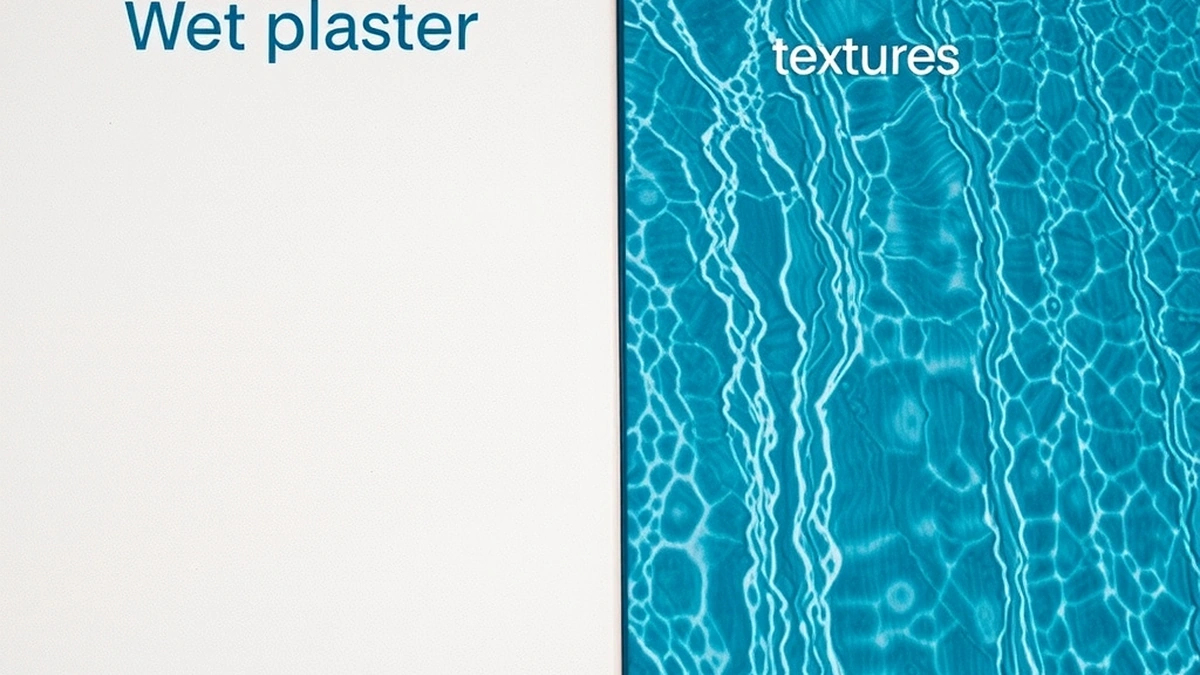
Plaster is cheaper upfront ($4,000-$10,000) but requires more frequent maintenance and water chemistry adjustments. Quartz ($6,000-$12,000) lasts longer and needs less chemical balancing, making it better for long-term value despite the higher initial cost.
- Typical range
- Varies by system and site
- First step
- Measure the space and confirm the load
- Professional help
- Recommended for structural or electrical work
Some links on this page are affiliate links.If you buy through them we may earn a commission at no extra cost to you. We do not accept payment for rankings. Read the full disclosure.
Plaster wins on price and quartz wins on wear. White plaster resurfacing runs $4,000 to $10,000 for a standard pool, while quartz aggregate runs $6,000 to $12,000 — a $2,000 premium at the low end, and usually the right call if you intend to keep the pool past the first resurface. Both are cement-based finishes applied over a prepared shell; the difference is what is mixed into the cement and how the surface behaves once it is in the water.
What each surface is
White plaster is a cement-and-marble-dust finish troweled over the pool shell. It is the traditional surface, it produces a smooth, bright interior, and it is the least expensive option that still counts as a proper resurface.
Quartz aggregate is a plaster base with quartz aggregate blended through it, so the finished surface is denser and shows a speckled color rather than a flat white. The aggregate is what gives it more resistance to wear and a longer working life, and it is also what makes the surface look different from pool to pool depending on the blend.
Neither is a coating in the paint sense. Both are applied at thickness, cured under water, and bonded to the shell — which is why prep quality matters more than the name on the bag.
Cost, worked out
| Item | White plaster | Quartz aggregate |
|---|---|---|
| Typical project cost | $4,000–$10,000 | $6,000–$12,000 |
| Cost at 900 sq ft | $4.44–$11.11 per sq ft | $6.67–$13.33 per sq ft |
| Finish layer | Cement and marble dust | Cement with quartz aggregate |
| Surface | Smooth, uniform white | Denser, speckled |
| Expected service | Shorter interval | 10–15 years with care |
The per-square-foot figures come from dividing each range by 900 square feet, the floor-plus-wall area of a 15-by-30-foot pool at an average depth of 5 feet. A smaller pool carries a higher rate because the fixed costs — drain, setup, chip-out, start-up — are spread over less area.
Durability and wear
Plaster is the softer of the two. It etches, chalks, and roughens as it ages, and the process accelerates when the water is allowed to stay aggressive. A plaster pool that is brushed and balanced will last, but the surface is working against time from the day it is filled.
Quartz holds up better because the aggregate is harder than the cement matrix around it. The surface resists abrasion, and the aggregate stays exposed as the softer material around it wears, which keeps the texture consistent. A well-maintained quartz finish is commonly expected to reach 10 to 15 years before the next resurface, and that longer interval is where the extra $2,000 earns its keep.
Maintenance and chemistry
Neither finish removes the need for water balance, but they respond differently when balance slips.
Plaster is more sensitive to low calcium hardness and low pH. When the water is aggressive, the finish gives up material to the water, which shows as etching and a rougher feel underfoot. Correcting the chemistry stops the damage but does not restore the surface.
Quartz tolerates the same conditions better, though it is not immune. It also hides staining more effectively because the surface is not a single flat color. Both finishes want regular brushing, and both want the filter running properly; the maintenance routine itself is largely the same.
Plaster versus quartz, directly
If you compare them on the things that decide a resurface, the split is consistent. Plaster is cheaper up front, easier to patch to a matching color, and produces the brightest water color because the white surface reflects light. Quartz costs more, lasts longer, resists abrasion better, and needs less correction when the water drifts.
Plaster is the better choice when the budget is the binding constraint, when the pool is being prepared for sale, or when the shell has a short remaining life for other reasons. Quartz is the better choice when you plan to keep the pool, when the pool gets heavy use, or when the last plaster finish failed early and you want a harder surface next time.
There is no version of the comparison where quartz is cheaper. The case for quartz is entirely about the interval between resurfacing and the condition of the surface in the years before it.
Which one fits your pool
- Measure the pool’s surface area so you can compare quotes on the same basis.
- Confirm the shell is sound. Neither finish fixes a moving shell; if there are structural cracks, deal with those first.
- Decide how long you intend to keep the pool. A short horizon favours plaster; a long one favours quartz.
- Ask each contractor which product they propose and what the measured area is.
- Compare the per-square-foot rate and the included prep, not the total alone.
The prep scope is the part that varies most between quotes, and it is the part that decides whether the finish bonds. Chip-out to sound material, crack repair, and a bond coat should all be listed. A quote that is $1,500 cheaper because it skips the chip-out is not a cheaper resurface; it is a shorter-lived one.
The bottom line
Plaster remains the value option at $4,000 to $10,000, and for many pools it is entirely adequate. Quartz at $6,000 to $12,000 buys a denser surface, better abrasion resistance, and a longer interval before the next job, which is why it is the usual recommendation for a pool the owner intends to keep. Whichever you choose, the quality of the preparation will matter more than the difference between the two materials.
For the wider comparison, see pool resurfacing options and how much pool resurfacing costs. If the existing finish is separating rather than wearing, delamination signs explains what to check before you choose a replacement. Quartz cost covers the aggregate side in more detail, and plaster cost does the same for white plaster.
Frequently asked questions
How much does a white plaster pool resurface cost?
Typical costs range from $4,000 to $10,000 depending on pool size and labor rates.
How much does a quartz aggregate pool resurface cost?
Quartz resurfacing generally costs between $6,000 and $12,000, depending on the size of the pool.
What is the lifespan of a quartz finish?
A well-maintained quartz finish can last 10 to 15 years before needing another resurfacing.
Does acid washing count as a resurface?
No, an acid wash is a cleaning process, not a resurface. It costs $400 to $800 but only restores the existing surface.
Is tile replacement part of resurfacing?
Tile replacement ($1,500-$5,000) is separate from resurfacing unless you are replacing tiles on the pool walls.
Can I DIY a pool resurface?
DIY resurfacing is possible but risky. Professional installation ensures proper mixing and curing, saving you future costs.
Sources
Some links are affiliate links.If you buy through them we may earn a commission at no extra cost to you. We do not accept payment for rankings. Read the full disclosure.