Quartz reviews: what pool owners actually report
What quartz aggregate pool finish reviews consistently report on cost, texture, mottling, and service life, and where the complaints cluster.
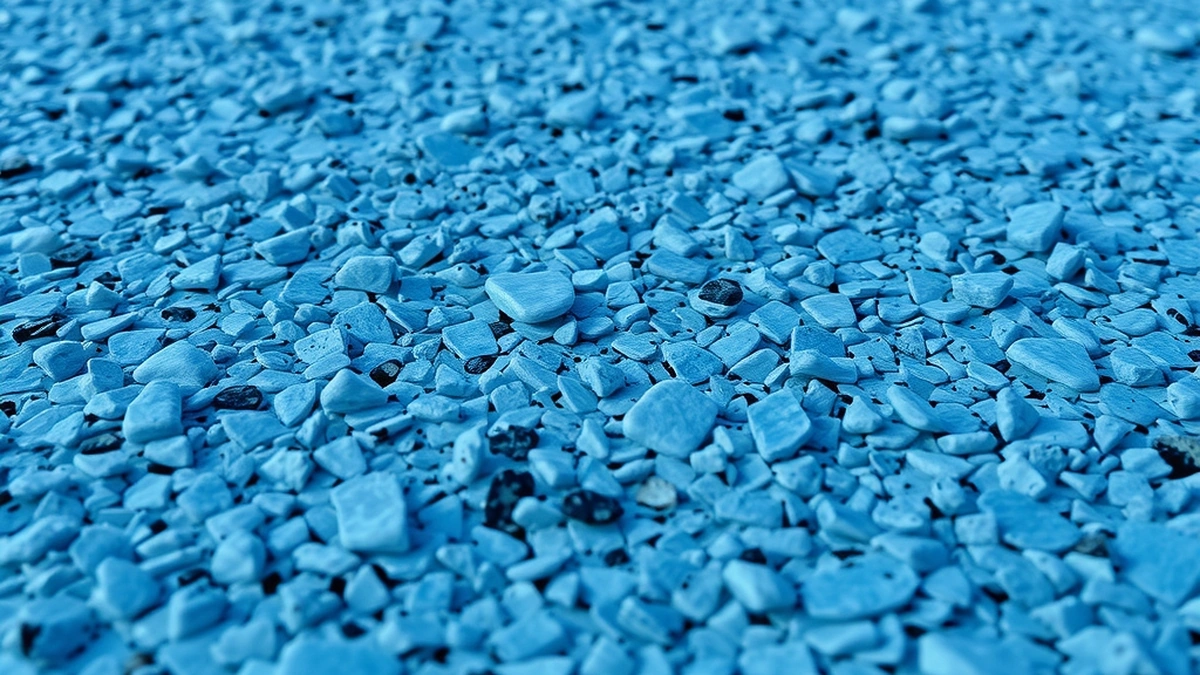
Quartz reviews land in the same place year after year: owners like the hard, finely speckled surface and a 10 to 15 year life at $6,000 to $12,000, and complain mostly about blotchy color and a rougher feel than plain plaster.
- Installed cost
- $6,000-$12,000
- Expected life
- 10-15 years
- Cost per year
- $400-$1,200
- Common complaint
- Mottled or blotchy color
Some links on this page are affiliate links.If you buy through them we may earn a commission at no extra cost to you. We do not accept payment for rankings. Read the full disclosure.
Quartz reviews are unusually consistent for a product sold under a dozen brand names. Owners describe a hard, finely speckled surface that outlasts plain plaster, costs more to install, and occasionally comes out blotchy in a way no amount of brushing fixes. The pattern across reviews is less about the material than about who applied it and how the water was managed in the first month.
What quartz aggregate actually is
Quartz aggregate is a cementitious pool finish in which crushed quartz replaces part or all of the marble dust in a plaster mix, troweled onto the shell so the grain shows through the surface. Quartz is silica, hardness 7 on the Mohs scale, against calcite at 3. That difference is the whole sales argument: the same water that slowly dissolves a plaster surface has far less to work on when the exposed grains are quartz.
The finish is still cement-based, so it still cures, still shrinks slightly, and still depends on water chemistry for its life. Reviews that treat quartz as a maintenance-free upgrade are wrong, and the ones that complain it “failed like plaster” usually describe a pool that was run at low pH for years.
Where the reviews agree
Three claims show up in almost every account, and they match the cost data:
- Price. Quartz runs $6,000 to $12,000 installed, against $4,000 to $10,000 for white plaster.
- Life. Ten to fifteen years is the normal range, against seven to twelve for plaster.
- Cost per year. Divide one by the other and quartz lands at $400 to $1,200 per year. Plaster lands at $333 to $1,429. The arithmetic is plain division: $6,000 ÷ 15 = $400, and $12,000 ÷ 10 = $1,200.
Owners also consistently describe the surface as easier to keep clean than plaster. Algae grips a chalky surface more readily than a dense quartz one, and the speckle hides the light staining that shows up immediately on white.
The complaints that repeat
The negative reviews cluster around four things, and only one of them is a material problem.
- Mottling. Uneven color is the single most common complaint. It comes from troweling technique, from aggregate settling unevenly, and from water pooling on the surface while it cures.
- Texture. Quartz is rougher than plaster. On feet it reads as grip; on a sun shelf or the top step it reads as sandpaper to some owners.
- Color drift. Dark blue and charcoal mixes fade toward gray over a decade. Medium tones hold better.
- Cracks at fittings. Small hairline cracks around returns, lights, and skimmers are common and usually a preparation issue, not the mix.
Notice what is absent from that list: peeling. A quartz finish that was applied over a sound, properly prepared shell does not delaminate the way a bad plaster job does. When reviews describe sheets coming off, the story is nearly always a bond coat over a failing surface.
Quartz against the other finishes
| Finish | Installed cost | Expected life | Cost per year | Feel |
|---|---|---|---|---|
| White plaster | $4,000-$10,000 | 7-12 years | $333-$1,429 | Smooth, soft |
| Quartz aggregate | $6,000-$12,000 | 10-15 years | $400-$1,200 | Fine grip |
| Pebble finish | $8,000-$15,000 | 15-20 years | $400-$1,000 | Pronounced grip |
| Fibreglass overlay | $5,000-$12,000 | 10-15 years | $333-$1,200 | Very smooth |
Quartz sits in the middle on every axis, which is exactly why it wins most of the arguments. It costs less than pebble and lasts longer than plaster, and the per-year figure overlaps both. The full method comparison is in types of pool resurfacing and the direct head-to-head is in quartz vs plaster.
Reading a review you can trust
Most quartz reviews are written at one of two moments: a month after installation, when everything looks new, or in year six, when something has gone wrong. Neither is a fair sample. A review worth weighting mentions the interior square footage, the removal method, the startup routine, and at least one water test result.
The reviews that help you decide are the boring ones. An owner who lists the pH they run, the brushing schedule they kept, and the cost per square foot has given you data. An owner who writes “looks great, five stars” in week three has given you a first impression.
If you are comparing quotes, pool resurfacing cost per square foot converts the totals into a number you can actually line up side by side. A $9,000 quartz job on 855 square feet is $10.53 per square foot; $13,000 on the same pool is $15.20.
Five questions before you sign a quartz contract
- What removal method is included — full chip-out, sandblast, or bond coat over the existing finish?
- What is the interior surface area in square feet, written on the quote?
- Which repairs are inside the price, and which are billed as extras when the shell is opened?
- What does the startup plan say about brushing, pH targets, and when the heater can run?
- Can you see a finished pool from the same installer, at least three years old?
The fifth question settles more arguments than the other four combined. Quartz is a forgiving material applied badly and an excellent material applied well, and the difference only shows after a few summers.
What the first month decides
Nearly every premature quartz failure traces back to startup. New cementitious surfaces need deliberate water balance for about 28 days: pH near 7.4, alkalinity at 80 to 120 ppm, calcium hardness high enough that the water does not pull calcium out of the fresh surface, and brushing twice a day for the first week whether or not the pool looks dirty.
Running a heater early, shocking with calcium hypochlorite, or leaving fill water untreated for a week will shorten the life of a correctly installed finish. Pool resurfacing maintenance covers the schedule that keeps the surface past its ten-year mark.
The short version
Quartz reviews are positive for a reason that has little to do with marketing: it is the finish that most often delivers the best cost per year without a specialist installer. The complaints about mottling and texture are real, and they are decided at the trowel and in the first thirty days. Buy the preparation, not the brand name, and the reviews you write afterward will match the good ones.
Frequently asked questions
Are quartz pool finishes worth the extra cost over plaster?
Usually yes. Quartz runs $6,000 to $12,000 against $4,000 to $10,000 for plaster, but the 10 to 15 year life against 7 to 12 years brings the cost per year into the same range with a harder surface.
Why does a new quartz finish look blotchy?
Mottling comes from uneven troweling, uneven aggregate distribution, and water pooling on the surface during cure. Some mottling is normal in cementitious finishes and should be discussed before the job, not after.
Is quartz rougher than plaster underfoot?
Slightly. The exposed quartz grain gives a texture between smooth plaster and pebble. Most owners stop noticing within a season, but it matters on steps and in shallow lounging areas.
How long does a quartz finish last?
Ten to fifteen years is the normal range with balanced water and regular brushing. Pools run at low pH or with heavy chemical swings fall to the short end of that range.
Can quartz be applied over an existing plaster surface?
A bond coat over sound plaster is a real method, but it traps any delamination or crack under the new layer. Full removal down to the shell is the durable option and should be priced separately.
Do quartz reviews mention fading?
Some do, mostly on dark blue and gray mixes exposed to full sun. Cementitious color is not fully UV stable, so a medium tone holds better than a deep one over a 15 year life.
Sources
Some links are affiliate links.If you buy through them we may earn a commission at no extra cost to you. We do not accept payment for rankings. Read the full disclosure.