Quartz vs pebble: the middle finish against the premium.
Quartz costs $6,000 to $12,000 for 10 to 15 years; pebble costs $8,000 to $15,000 for 15 to 20. Compare texture, cost per year, and where each fails.
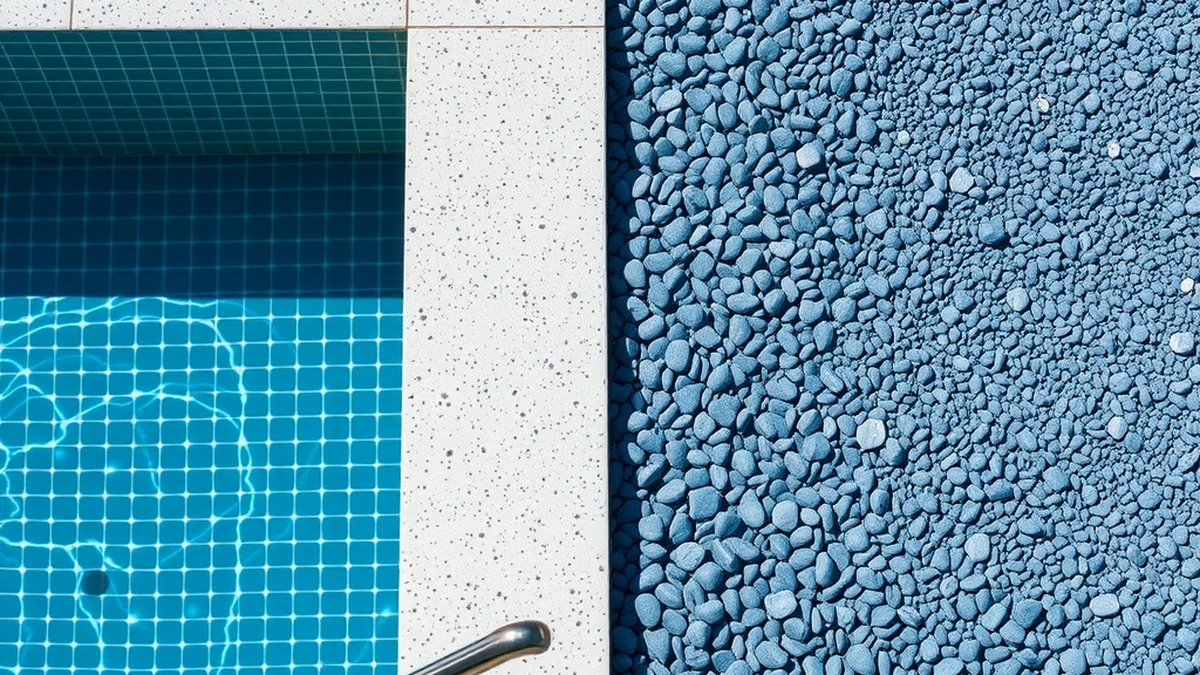
Quartz costs $6,000 to $12,000 and lasts 10 to 15 years, or $400 to $1,200 per year. Pebble costs $8,000 to $15,000 and lasts 15 to 20, or $400 to $1,000. Quartz is finer underfoot; pebble is harder and more textured.
- Quartz installed
- $6,000 - $12,000
- Pebble installed
- $8,000 - $15,000
- Cost per year
- $400 - $1,200 vs $400 - $1,000
- Texture
- Fine vs coarse
Some links on this page are affiliate links.If you buy through them we may earn a commission at no extra cost to you. We do not accept payment for rankings. Read the full disclosure.
Quartz and pebble are the two aggregate finishes, and they sit $2,000 to $3,000 apart: $6,000 to $12,000 against $8,000 to $15,000. Quartz lasts 10 to 15 years, pebble 15 to 20, so the per-year cost overlaps almost completely. What separates them is texture, and texture is a preference rather than a specification.
Two aggregates, one family
Both are cement finishes with aggregate added. The difference is the aggregate size and how the surface is finished.
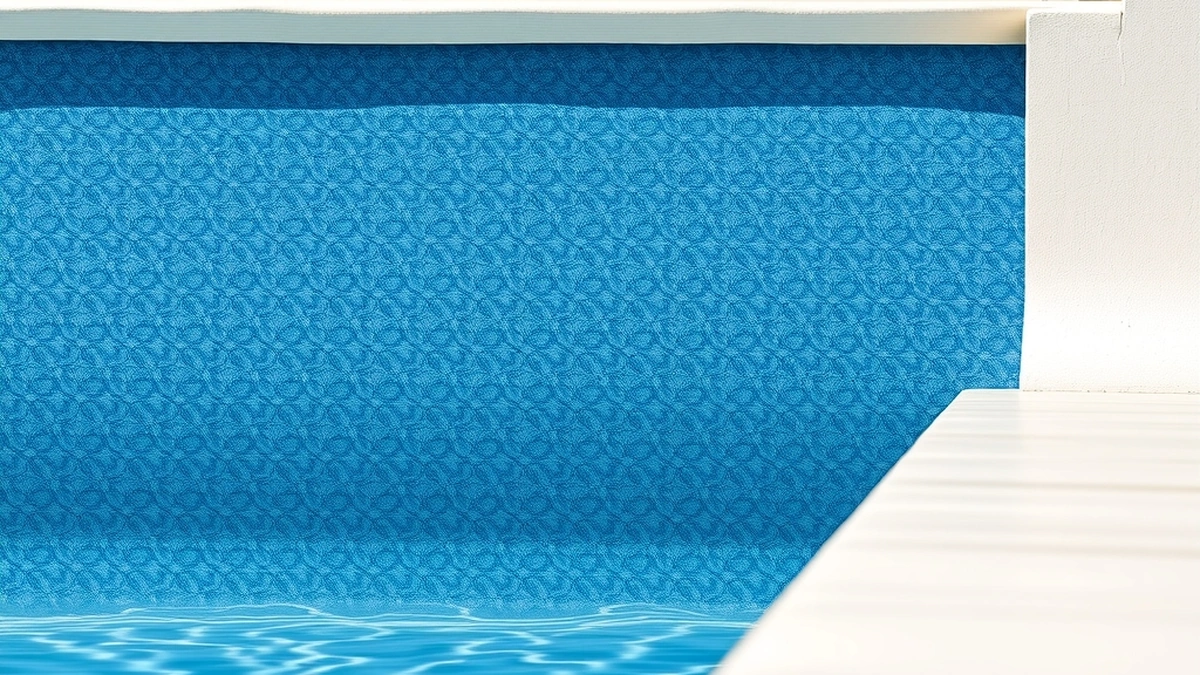
Quartz uses a fine crushed aggregate, and the surface is troweled and sanded to a close finish. It reads as a smooth surface with a speckle in it.
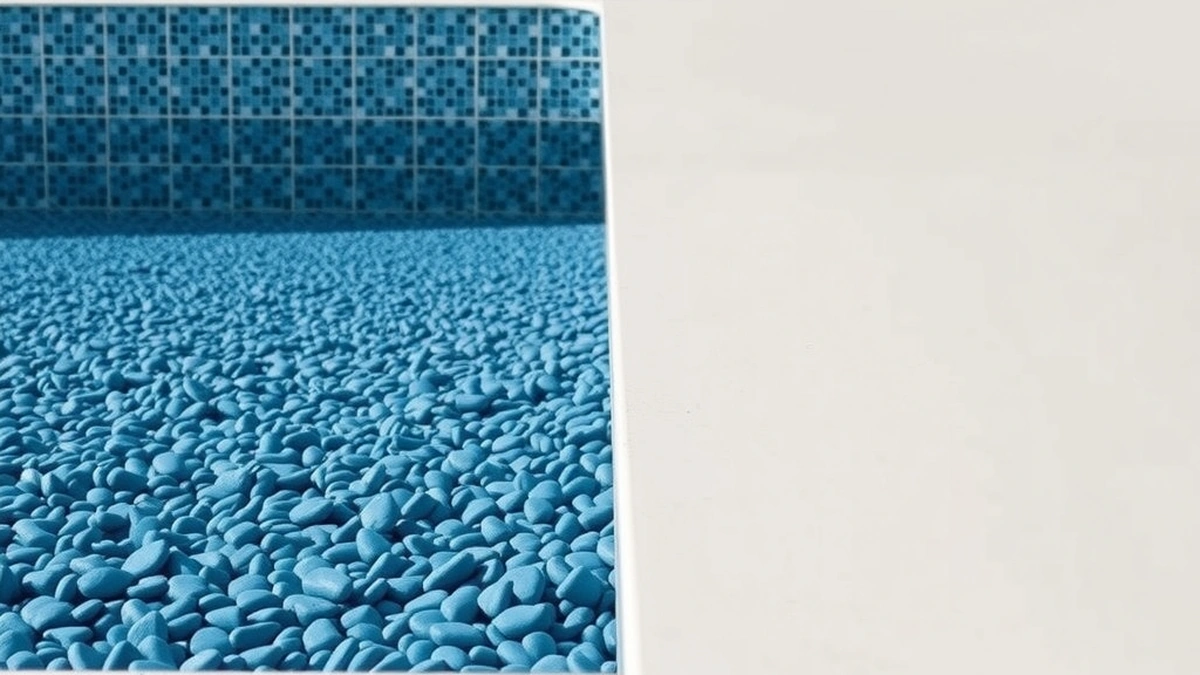
Pebble uses river stone or a larger aggregate, and the surface is washed back so the stones sit proud. It reads as a stone surface with cement between the stones.
The money, with arithmetic
| Quartz | Pebble | |
|---|---|---|
| Installed | $6,000 - $12,000 | $8,000 - $15,000 |
| Per square foot, 855 sq ft | $7.02 - $14.04 | $9.36 - $17.54 |
| Expected life | 10 - 15 years | 15 - 20 years |
| Cost per year | $400 - $1,200 | $400 - $1,000 |
| Surface | Fine, smooth | Coarse, textured |
| Repair | Blends reasonably | Visible |
| Chemistry tolerance | Moderate | Moderate to high |
The per-year figures are division. Quartz: $6,000 ÷ 15 = $400, $12,000 ÷ 10 = $1,200. Pebble: $8,000 ÷ 20 = $400, $15,000 ÷ 15 = $1,000.
The low ends are identical at $400. The high ends favour pebble by $200 per year, which is a smaller gap than the sticker difference suggests.
Texture, and who it suits
Quartz is the finish for an owner who wants an upgrade from plaster without the coarse feel of pebble. It is smooth enough to sit on the steps without noticing, and it still has the hardness and the colour depth that plaster lacks.
Pebble is the finish for an owner who wants grip. On a pool with children, dogs, or a slide, the texture is the point. On a pool used for laps and lounging, it is a daily sensation that some owners never get used to.
That is the honest version of the choice. Both surfaces are durable; one is comfortable and one is grippy.
Where each fails
Quartz fails like plaster: the cement matrix erodes with aggressive water, the surface goes chalky, and the aggregate is left standing. Because the aggregate is fine, the roughness is less pronounced than a failing pebble surface, but the process is the same.
Pebble fails in the same way, but more slowly, because less cement is exposed at the surface. When it does fail, the exposed stone can become loose, and a loose stone is a place where water gets behind the finish.
Both fail at the same place: the water chemistry. Neither finish is a substitute for balanced water.
Aggregate finishes change the colour of the water as much as the surface. A white quartz pool reads pale blue; a dark pebble pool reads deep blue or green, and it hides marks that would show on white.
That is worth deciding early, because the colour is fixed for the life of the finish. Owners who choose a dark pebble for the look often find the water looks darker than the brochure, and owners who choose white quartz find it shows every leaf.
Both finishes are available in a range of colours, and the aggregate is what carries it. Plaster can be tinted, but the colour sits in the cement and fades faster.
Colour, installation, and preparation
Both are troweled on and both need a sound substrate. The preparation question is the same: chip-out or bond coat.
Pebble takes longer to install because the wash-back is a timed step that has to be done consistently across the pool. That labour is part of why it costs more, and it is also why the quality of the crew matters more than the product.
Quartz is more forgiving to apply, which is one reason it is the common middle option. A well-applied quartz job is a better surface than a badly applied pebble job at a higher price.
Five steps to choose
- Stand on a finished example of each, ideally one that is a few years old.
- Decide whether grip or comfort is the priority.
- Get the interior square footage on both quotes and divide.
- Ask what preparation is included.
- Multiply expected life by your ownership horizon.
Step five is the one that decides value. On a five-year hold, the pebble’s extra life is being bought for the next owner; on a twenty-year hold, it is being used.
Where each wins
Quartz wins on comfort, on cost at the low end, and on a pool where the surface is seen and touched more than it is gripped. It is also the easier resale story: an upgrade from plaster without the pebble premium.
Pebble wins on life, on grip, on heavy use, and on a pool that will be rented or used by children. It also wins on appearance if the speckled stone look is what the owner wants.
The failure to avoid is choosing pebble for the life and then discovering the texture is unpleasant. That complaint appears more often than any durability complaint in owner reviews of both finishes.
The short version
Quartz is the smooth aggregate; pebble is the textured one. They cost $400 to $1,200 and $400 to $1,000 per year respectively, which is a wash. Choose on feel, then on how long you are staying. Prices are in quartz cost and pebble cost, and the plaster comparison is in plaster vs pebble.
Frequently asked questions
Is pebble better than quartz?
Pebble lasts longer, 15 to 20 years against 10 to 15, and is harder. Quartz is smoother underfoot and $2,000 to $3,000 cheaper at the low end, which is why it is the more common upgrade from plaster.
How much more does pebble cost?
About $2,000 to $3,000 at the low end and $3,000 at the high end: $8,000 against $6,000, and $15,000 against $12,000. Per year the two overlap almost entirely.
Which is smoother, quartz or pebble?
Quartz. The aggregate is finer and the surface is sanded closer, so it feels like a smooth, slightly grainy finish. Pebble is river stone washed proud and feels like coarse sandpaper.
Which lasts longer?
Pebble, at 15 to 20 years against 10 to 15 for quartz. The stone is harder and there is less cement exposed at the surface, so it tolerates chemistry drift for longer.
Can both be applied over existing plaster?
Yes, with a bond coat over sound plaster. Neither should go over active delamination, because the new finish fails with the substrate beneath it.
Which is better for a rental pool?
Pebble. It tolerates inconsistent chemistry and heavy use better, and the longer life means fewer replacement cycles during a typical ownership. Quartz is the better choice for a family pool where feel matters.
Sources
Some links are affiliate links.If you buy through them we may earn a commission at no extra cost to you. We do not accept payment for rankings. Read the full disclosure.