Pebble cost: $8,000 to $15,000, explained
What drives pebble pool finish cost, how the $8,000 to $15,000 range breaks down per square foot, and which line items are worth paying for.
Pebble cost runs $8,000 to $15,000 installed for a typical residential pool, or roughly $16 to $30 per square foot of interior surface. Removal and shell repair drive more of the price than the aggregate itself.
- Typical range
- $8,000-$15,000
- Per square foot
- $16-$30
- Against plaster
- +$4,000 to +$5,000
- Expected life
- 15-20 years
Some links on this page are affiliate links.If you buy through them we may earn a commission at no extra cost to you. We do not accept payment for rankings. Read the full disclosure.
Pebble cost runs $8,000 to $15,000 installed for a typical residential pool in the US. That works out to roughly $16 to $30 per square foot of interior surface, and the spread is driven less by the stone than by how much removal and shell repair the job needs. Two quotes for the same pool can differ by $4,000 on preparation alone.
What the number includes
A pebble finish is an exposed aggregate surface: a cement mix carrying small river stones, troweled on and then washed back so the stones sit proud. It is the most durable of the common cementitious finishes, with an expected life of 15 to 20 years, and the most expensive to install.
The installed price covers four things, and only one of them is the pebble:
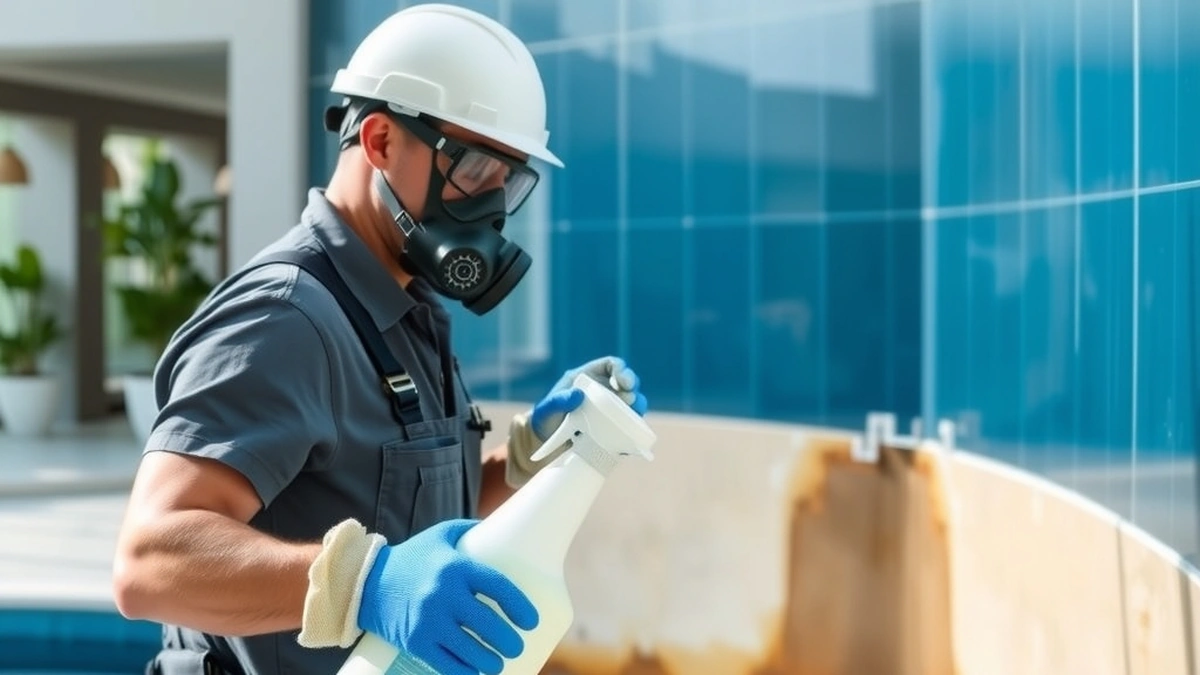
- Removal of the old finish, usually by chipping or sandblasting, plus disposal
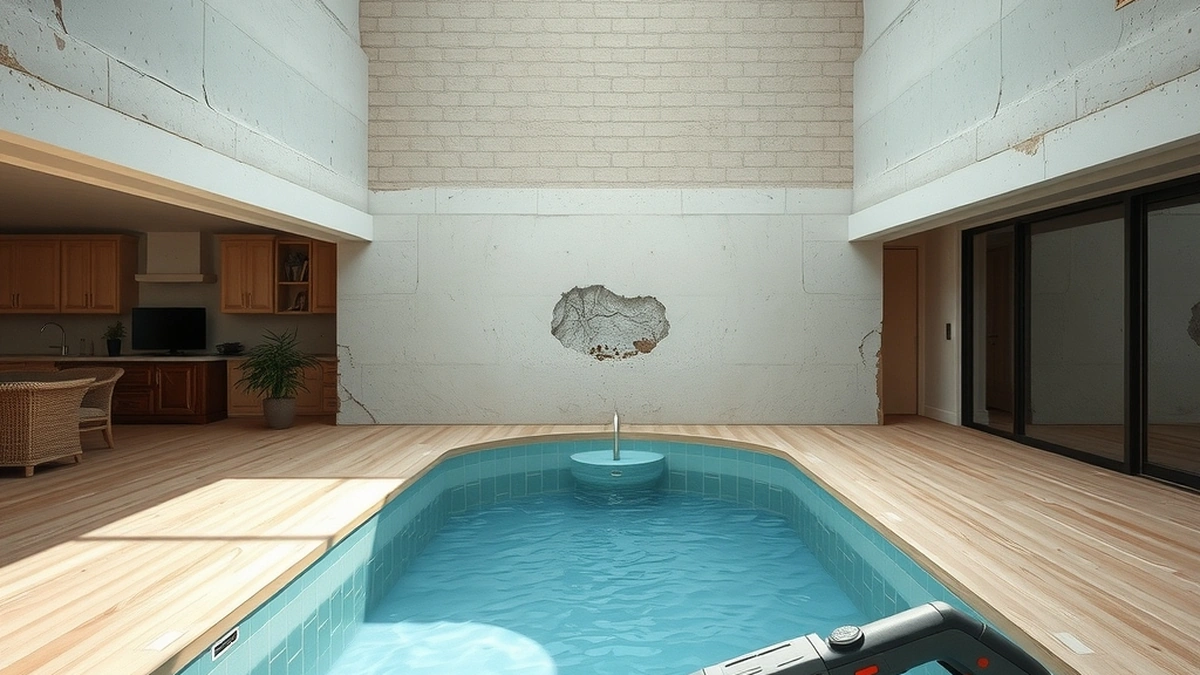
- Structural repair to cracks, delamination, and fitting surrounds
- A bond coat and the new aggregate application
- Startup: filling, balancing, and the first weeks of brushing
Owners who compare quotes on the finish name alone are comparing the smallest part of the invoice.
Where the money goes
The split below is an estimate for a mid-range job on a 500 square foot pool at $10,500. It is a planning shape, not a rule, and contractors allocate labor differently.
| Line item | Share (estimate) | On a $10,500 job |
|---|---|---|
| Chip-out and disposal | 25% | $2,625 |
| Shell repair and patching | 10% | $1,050 |
| Bond coat and prep | 5% | $525 |
| Aggregate material and application | 55% | $5,775 |
| Startup, chemicals, cleanup | 5% | $525 |
The arithmetic: 25% of $10,500 is $2,625; 55% is $5,775. The aggregate itself, the part homeowners ask about, is a little over half. Removal and repair together are 35% — $3,675 on this job — which is why a pool with failing plaster underneath costs more to pebble than a pool with a sound surface.
Cost per square foot
Surface area is the number that makes quotes comparable. A pool’s interior area is larger than its footprint because walls and floor both count, so a 16 by 32 foot pool with an average depth of 5 feet has roughly 700 square feet of interior surface, not 512.
| Interior area | Low ($16/sq ft) | High ($30/sq ft) |
|---|---|---|
| 350 sq ft (small plunge) | $5,600 | $10,500 |
| 500 sq ft (typical) | $8,000 | $15,000 |
| 700 sq ft (16x32 with spa) | $11,200 | $21,000 |
| 900 sq ft (large, deep end) | $14,400 | $27,000 |
At 350 square feet the low end falls below the standard range, which is real: small pools cost less in total but more per square foot, because mobilization and setup are fixed. At 900 square feet the high end runs past $15,000 for the same reason in reverse — more area, more material, same crew.
The per-foot method is covered in more depth in pool resurfacing cost per square foot, and the broader range across finishes is in how much does pool resurfacing cost.
What moves the price
- Pool size and depth. Material and labor scale with interior area. A deep end with steep walls takes longer than a flat floor.
- Condition of the shell. Cracks, delamination, and rusted rebar all add repair hours. A shell that has been resurfaced twice before is harder to strip.
- Aggregate grade. Fine bead mixes cost less than large-stone mixes. More stone by weight means more material cost and a longer wash-back.
- Access. A pool with no vehicle access to the deck means carrying debris out by hand, and that shows up in the labor line.
- Extras. Waterline tile at $1,500 to $5,000, coping replacement, new drains, and light replacements are usually quoted separately.
- Season. Crews book out in spring. Off-season scheduling sometimes prices better, though curing in cold weather has its own constraints.
Pebble against the other finishes
| Finish | Installed cost | Expected life | Cost per year |
|---|---|---|---|
| White plaster | $4,000-$10,000 | 7-12 years | $333-$1,429 |
| Quartz aggregate | $6,000-$12,000 | 10-15 years | $400-$1,200 |
| Pebble finish | $8,000-$15,000 | 15-20 years | $400-$1,000 |
| Fibreglass overlay | $5,000-$12,000 | 10-15 years | $333-$1,200 |
The per-year arithmetic is what makes pebble defensible: $8,000 ÷ 20 = $400, and $15,000 ÷ 15 = $1,000. A plaster pool at $10,000 over 7 years is $1,429 per year, more than the worst case for pebble. Sticker price ranks pebble last; cost per year ranks it first or tied for first.
Reading a pebble quote
Five lines separate a fair quote from a cheap one:
- Interior surface area in square feet, stated on the quote.
- Removal method: full chip-out, sandblast, or bond coat over the existing finish.
- Repairs included, and the hourly or unit rate for repairs found after stripping.
- Aggregate brand, grade, and the stone-to-cement ratio.
- Startup plan: who brushes, who tests, and when the heater is allowed to run.
If a quote will not state the square footage, you cannot compare it to anything, and the number at the bottom is marketing. The installation sequence itself is covered in pebble installation, and the failure modes to watch for afterward are in pebble problems.
Is it worth it
Pebble is worth the money on pools that get heavy use, sit in full sun, run a salt system, or will be owned for another fifteen years. It is not worth it on a pool being sold in three years, or on a shell that needs structural work the finish cannot fix. The direct comparison to the cheaper options is in pebble vs plaster and, one step down, in quartz vs plaster.
Budget the top of the range rather than the bottom. Pebble jobs land at the high end more often than plaster jobs because the pools that choose pebble are usually larger and older, and the repairs found under a twenty-year-old surface are the part nobody quotes accurately in advance.
Frequently asked questions
How much does pebble pool resurfacing cost?
For a typical residential pool, $8,000 to $15,000 installed. Small pools around 350 square feet land near the bottom, and pools above 800 square feet with tile and coping work push past the top.
What is the price per square foot for pebble?
Divide the total by interior surface area. At 500 square feet, $8,000 is $16.00 per square foot and $15,000 is $30.00. At 900 square feet the same totals fall to $8.89 and $16.67.
Is pebble worth the extra cost over quartz?
If you plan to keep the pool past 15 years, usually. Pebble runs $2,000 to $3,000 above quartz but adds five years of service life and a much harder surface.
Are there cheaper pebble products?
Yes. Exposed aggregate mixes with a lower stone-to-cement ratio cost less and wear faster. Ask what percentage of the mix is aggregate before comparing two pebble quotes.
Does tile replacement add to the pebble cost?
It is a separate line item. Waterline tile replacement runs $1,500 to $5,000, and coping replacement is priced separately again, so confirm what is inside the quoted total.
Will the price include draining and refilling the pool?
Drain-down and refill are usually included in a full resurface but not always. Ask directly, because refilling a large pool with municipal water can add several hundred dollars.
Sources
Some links are affiliate links.If you buy through them we may earn a commission at no extra cost to you. We do not accept payment for rankings. Read the full disclosure.