Pebble vs plaster: cost, life, and feel
Pebble costs $8,000 to $15,000 and lasts 15 to 20 years; plaster costs $4,000 to $10,000 and lasts 7 to 12. Where the extra money actually goes.
Pebble runs $8,000 to $15,000 for 15 to 20 years; plaster runs $4,000 to $10,000 for 7 to 12. Pebble costs roughly $400 to $1,000 per year of service, plaster $333 to $1,429, so the premium is repaid over one replacement cycle.
- Pebble installed
- $8,000-$15,000
- Plaster installed
- $4,000-$10,000
- Cost per year (pebble)
- $400-$1,000
- Cost per year (plaster)
- $333-$1,429
Some links on this page are affiliate links.If you buy through them we may earn a commission at no extra cost to you. We do not accept payment for rankings. Read the full disclosure.
Pebble and plaster are the two ends of the cementitious finish range. Plaster is the cheapest sound surface you can install at $4,000 to $10,000 and it lasts 7 to 12 years; pebble costs $8,000 to $15,000 and lasts 15 to 20. The extra $4,000 buys roughly eight more years and a much harder surface, which is either the best value in the pool or an unnecessary upgrade depending on how long you keep the house.
Two finishes, one family
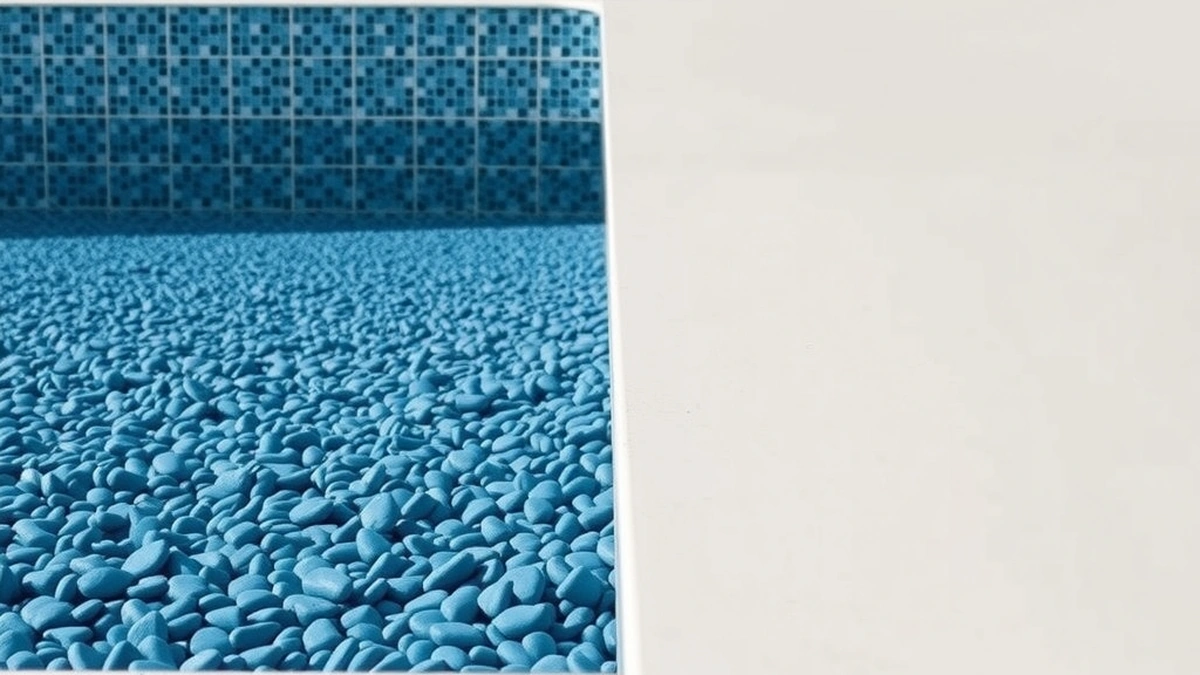
Both are cement-based coatings troweled onto the shell. White plaster is a mix of cement and marble dust, and the surface you touch is essentially the cement. Pebble is the same idea with river stone or quartz aggregate added, and the surface is washed back so the stone sits proud of the cement.
That structural difference produces the practical ones: pebble is harder, more slip-resistant, more tolerant of chemistry drift, and rougher. Plaster is smoother, cheaper, easier to patch invisibly, and wears faster. Neither is a coating in the paint sense; both are sacrificial surfaces that slowly give up material to the water.
The money, with the arithmetic shown
| White plaster | Pebble | |
|---|---|---|
| Installed cost | $4,000-$10,000 | $8,000-$15,000 |
| Expected life | 7-12 years | 15-20 years |
| Cost per year | $333-$1,429 | $400-$1,000 |
| Surface feel | Smooth | Coarse grip |
| Slip resistance | Moderate | High |
| Chemistry tolerance | Low | Moderate |
| Stain visibility | High | Low |
| Patch visibility | Low | High |
| Color options | Mostly white and tint | Wide, speckled |
The per-year figures come from plain division. Plaster: $4,000 ÷ 12 = $333, and $10,000 ÷ 7 = $1,429. Pebble: $8,000 ÷ 20 = $400, and $15,000 ÷ 15 = $1,000.
Read that honestly and the interesting cell is the worst case. A pebble job at the top of its range over the short end of its life still costs $1,000 per year, less than plaster at the top of its range over seven years. The only situation where plaster is clearly cheaper per year is the cheapest plaster job over the longest life — which is also the job most likely to fail early.
Where the $4,000 goes
The gap between the low ends is $4,000: $8,000 minus $4,000. It buys three things:
- Material. Aggregate costs more than marble dust, and more of it goes into the mix.
- Labour. Exposed aggregate takes longer to trowel and requires a timed wash-back, which is a skilled step plaster does not have.
- Repair allowance. Pebble jobs are usually quoted on older pools with more shell damage, so the average job includes more prep work.
The last point matters when comparing quotes. If both bids are for the same pool, the difference should be closer to $2,000 to $3,000. A $4,000 gap usually means the pebble quote includes repairs the plaster quote does not.
Feel, and who notices
Texture is the reason most owners choose plaster, and it is worth being concrete about it. Pebble underfoot is like walking on coarse sand. It is not painful, and most adults stop registering it within a season, but children sliding on the steps and anyone lounging in the shallow end will feel it every time.
Plaster is smooth and slightly chalky when wet. It is the surface people picture when they think “swimming pool,” and it stays comfortable at any depth.
There is a middle option: quartz aggregate at $6,000 to $12,000 feels finer than pebble and lasts longer than plaster. The head-to-head is in quartz vs plaster, and the three-way version is in best pool resurfacing.
Durability and chemistry
Plaster wears by dissolving. Low pH etches it, high pH scales it, and both show immediately on a white surface. A plaster pool run at pH 7.2 with steady alkalinity will reach twelve years; the same pool run at 8.0 for two summers will be chalky at seven.
Pebble wears the same way, but only the cement between the stones is exposed to the water, and there is less of it at the surface. The result is a finish that tolerates a season of neglect without visible damage. It is not immune — scale still forms, and low pH still eats the matrix — but the margin is wider.
That margin is what you are buying with the extra years, and it is why pebble pools in rental properties and full-sun exposures hold up better than plaster ones in the same conditions.
Five steps to choose
- Decide how long you will own the pool. Under five years, plaster is the rational buy.
- Get the interior square footage on both quotes and divide the price by it.
- Ask what removal method each quote includes. Full chip-out versus bond coat changes the life of either finish.
- Multiply the remaining years you expect to own the pool by your annual cost. A ten-year hold means pebble pays back; a four-year hold does not.
- Stand on a finished example of each. Texture is the one variable a table cannot settle.
Step five is not a formality. Owners who choose pebble on price and life alone frequently say afterward that they would have picked quartz if they had felt it first. Pebble reviews collects that specific complaint more than any other.
Where each one wins
Plaster wins on a tight budget, a short hold, a rental, a period-correct white pool, or a shell that needs work the finish budget cannot absorb. It is also the right choice when the pool will be resurfaced again by the next owner and the goal is simply a sound, swimmable surface.
Pebble wins on long holds, heavy use, full sun, salt systems, dogs, and any pool where slip resistance matters. It also wins on appearance: the speckled surface photographs better and looks newer for longer.
The failure mode to avoid in both cases is spending the pebble budget on a bond coat over failing plaster. A cheap pebble job on a delaminating surface is worse than a good plaster job on a clean one. Delamination signs explains what to look for before either contract is signed.
The short version
Pebble costs about twice as much at the low end and lasts about twice as long. Divide by years and the gap narrows to almost nothing, with pebble slightly ahead on the worst case and slightly behind on the best. Choose on texture and ownership horizon, not on sticker price — and put the saved money into proper removal if you choose plaster.
Frequently asked questions
Is pebble worth the extra cost over plaster?
Over a long hold, yes. Pebble costs about $4,000 more at the low end and lasts roughly eight years longer, which brings the cost per year below the worst case for plaster.
How much longer does pebble last than plaster?
Pebble is rated 15 to 20 years and plaster 7 to 12, so the difference is roughly eight years at the midpoint. That is one avoided resurface in a twenty-year ownership.
Which is smoother, pebble or plaster?
Plaster. Pebble is an exposed aggregate and feels like coarse sandpaper. On steps and sun shelves the difference is obvious, and it is the main reason owners choose plaster.
Does pebble need different water chemistry than plaster?
The targets are the same: pH 7.2 to 7.8, alkalinity 80 to 120 ppm, calcium hardness 250 to 400 ppm. Pebble tolerates drift longer before damage shows.
Can pebble be applied over plaster?
A bond coat over sound plaster is a real method and costs less than a full chip-out. It is a bad idea over plaster that is delaminating, because the failure continues underneath.
Which finish is better for resale?
Pebble reads as an upgrade and photographs well, but it rarely returns its full cost at sale. Plaster on a sound shell is not a defect and does not usually reduce a sale price.
Sources
Some links are affiliate links.If you buy through them we may earn a commission at no extra cost to you. We do not accept payment for rankings. Read the full disclosure.