Pebble maintenance: a realistic weekly routine
The water targets and brushing routine that keep a pebble pool finish at its 15 to 20 year life, plus the habits that shorten it and the costs to avoid.
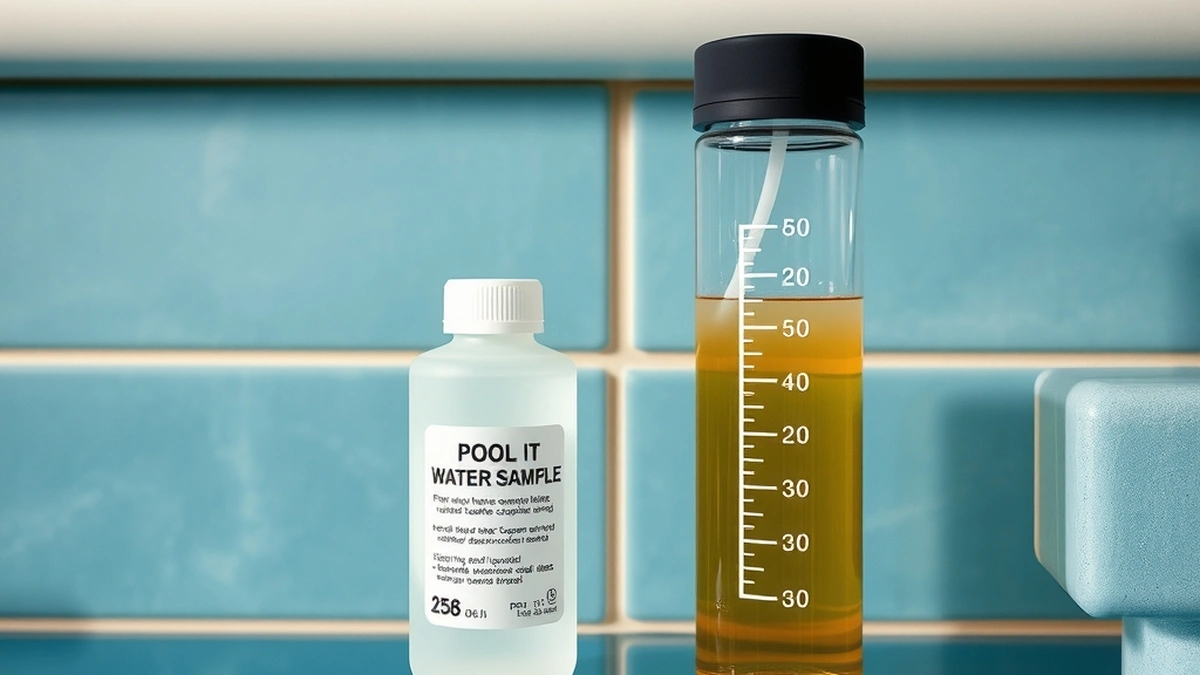
Pebble maintenance is mostly water balance plus brushing: hold pH at 7.2 to 7.8, alkalinity at 80 to 120 ppm, and calcium hardness at 250 to 400 ppm, and brush the walls and floor weekly to keep scale and algae out of the aggregate.
- pH target
- 7.2-7.8
- Alkalinity
- 80-120 ppm
- Calcium hardness
- 250-400 ppm
- Brushing
- Weekly
Some links on this page are affiliate links.If you buy through them we may earn a commission at no extra cost to you. We do not accept payment for rankings. Read the full disclosure.
Pebble maintenance is water balance plus brushing, and nothing more complicated than that. Hold pH at 7.2 to 7.8, alkalinity at 80 to 120 ppm, and calcium hardness at 250 to 400 ppm, brush the walls weekly, and a pebble finish will reach the 15 to 20 years it was sold as. Let pH drift high for a season and the aggregate will hold scale that no amount of brushing removes.
The surface you are maintaining
A pebble finish is stone held in cement, with the stone exposed. That means two materials wear at once, and they respond to water differently. The stone is quartz or river rock and largely inert. The cement between the stones is calcium-based and dissolves when the water is aggressive.
Everything in this routine follows from that. You are not protecting the stones; you are protecting the matrix that holds them, and keeping deposits off the surface they create.
The four numbers
| Parameter | Target | What happens outside it |
|---|---|---|
| pH | 7.2-7.8 | Above 7.8 scale; below 7.0 cement etches |
| Total alkalinity | 80-120 ppm | Low is unstable pH; high drives scale |
| Calcium hardness | 250-400 ppm | Low pulls calcium from the finish; high scales |
| Free chlorine | 1-3 ppm, scaled to stabilizer | Low allows algae in the grain |
Stabilizer matters more than most owners expect. At 30 to 50 ppm cyanuric acid, 1 to 3 ppm free chlorine holds. At 70 to 80 ppm, as salt pools often run, the same chlorine level is far less effective, which is how black algae takes hold in a pool that “tests fine.”
Two combinations cause most of the damage:
- High pH with high hardness. Scale forms on the warmest, roughest surface — the pebble wall. This is the single most common pebble complaint.
- Low pH with low hardness. The water pulls calcium out of the cement matrix, the stones stand proud, and the surface turns scratchy.
The weekly routine
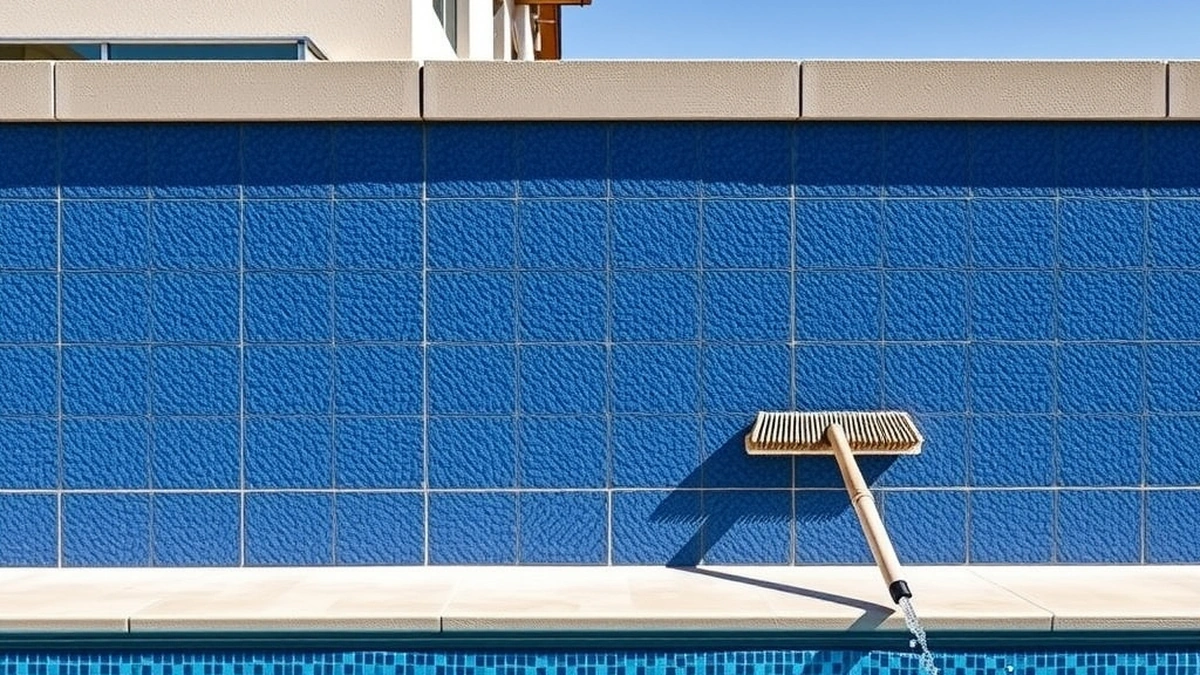
- Brush the walls, the floor, and the waterline band with a nylon brush. Two passes over the transition line where scale starts.
- Skim and empty the baskets before brushing, so debris does not get pushed back into the water.
- Test pH and free chlorine. Adjust pH first, then chlorine.
- Test alkalinity and calcium hardness weekly, not monthly. Both move slowly but both matter.
- Backwash or clean the filter on pressure rise, not on a calendar.
- Run the pump long enough to turn the pool volume over once a day in summer.
Brushing is the step owners skip and the one that pays. Algae that has not yet rooted wipes off a pebble surface easily; algae that has been left for three weeks in the grain needs a stainless brush and a targeted treatment.
What not to do
Three habits shorten a pebble finish faster than any chemistry mistake:
- Routine acid washing. Acid dissolves the cement between the stones. Each wash leaves the surface rougher and more prone to holding dirt. On pebble, an acid wash at $400 to $800 is a repair, not maintenance — and repeated washing accelerates the day you spend $8,000 to $15,000 on a new finish.
- Pressure washing the surface. A pressure washer at close range blasts cement out from between the stones. It looks clean for a month and rough forever after.
- Shocking with calcium hypochlorite on a pool that already runs hard. It adds calcium with the chlorine. If your fill water is hard, use liquid chlorine or a non-calcium shock.
Draining the pool for a “deep clean” has its own risks on an older shell. A pool that sits empty in the sun can crack, and a pebble finish that dries out for weeks is more likely to lose stones. Pebble problems covers what that looks like when it happens.
Salt systems and heaters
Salt chlorinators are compatible with pebble and common on pools with this finish. Two adjustments matter: stabilizer climbs because the cell needs it, and pH tends to rise because the cell produces hydroxide. Test pH more often, not less.
Heaters add a scale risk at the heat exchanger and a temperature gradient at the return outlets. Keep the calcium hardness in range and the pH under 7.8, and scale stays off both. If you see white deposits at the returns, the water is depositing calcium there first.
Seasonal work
Opening and closing are where damage happens quietly:
- Opening. Clean the cover, check the water before balancing, and brush the whole surface once the pool is clear. Winter scale shows up at the waterline first.
- Closing. Balance before covering, not after. Water that sits at pH 8.0 for four months deposits a season’s worth of scale.
- Freeze risks. A pebble pool left full over winter is fine; one drained and left empty is not, unless the shell is braced for it.
When maintenance is not enough
If the surface already feels sharp, has calcium nodules, or is losing stones, the routine will not reverse it. A professional acid wash at $400 to $800 buys time on scale, and local repair handles isolated defects. A finish past fifteen years with widespread roughness is a replacement decision, and pebble cost is the place to start the arithmetic.
For the parts of the pool the finish does not cover, pool tile replacement cost and pool coping replacement cost cover the two items most often quoted alongside a resurface.
The short version
Pebble maintenance is unglamorous: test, adjust, brush, and leave the surface alone. The finish is durable enough that neglect takes years to show and forgiving enough that a weekly routine is genuinely sufficient. The two things that actually kill it are sustained high pH and acid washing as a habit — both of which are choices, not accidents.
Frequently asked questions
How often should you brush a pebble pool?
Weekly in normal use, and twice a week in summer or on a pool with heavy bather load. Brush the walls and the transition line where scale starts, not just the floor.
Does a pebble pool need more chemicals than plaster?
No, the targets are the same. Pebble tolerates drift better, but it still scales at high pH and etches at low pH, so the chemistry workload is comparable.
What pH should a pebble pool run at?
Between 7.2 and 7.8, with 7.4 to 7.6 the usual working target. Above 7.8 scale forms on the aggregate; below 7.0 the cement between the stones starts to dissolve.
Can I acid wash a pebble pool myself?
Not safely. Acid dissolves the cement holding the stones, and a homeowner-strength wash on a textured surface usually does more harm than good. A professional wash runs $400 to $800.
How do I stop calcium scale on pebble?
Keep pH under 7.8, hold calcium hardness in range, and brush the waterline weekly. If fill water is hard, test it and dilute with softer water rather than adding more chemicals.
Does a salt chlorinator damage pebble?
Not directly. Salt systems are fine on pebble, but they run at higher stabilizer levels and can drift to low pH, so testing frequency matters more than the salt itself.
Sources
Some links are affiliate links.If you buy through them we may earn a commission at no extra cost to you. We do not accept payment for rankings. Read the full disclosure.