Pool resurfacing before and after
What changes after a pool resurface, what the first month actually looks like, and which problems a new finish does not fix.
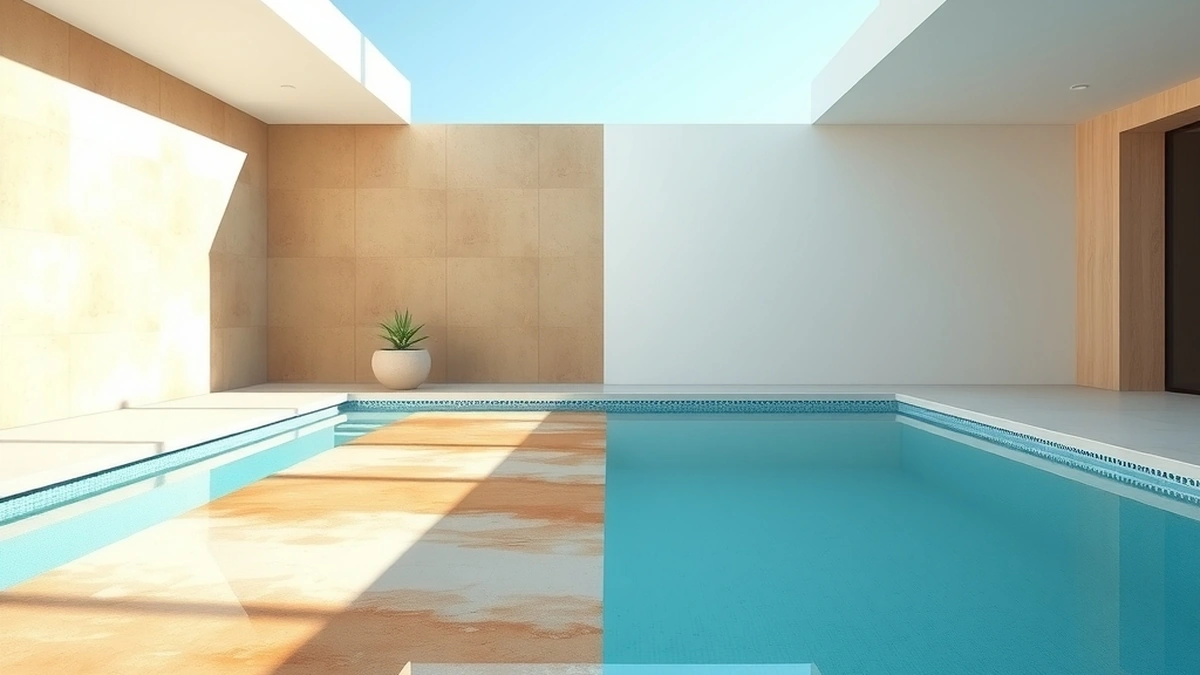
After a resurface the surface is uniform in colour, water clarity improves, and chemical demand usually drops. The first 30 days are a curing period, not a finished result, and any shell crack or leak remains your problem.
- Job duration
- 5-10 working days
- Cure period
- 28 days
- White plaster (estimate)
- $4,000-$10,000
- Pebble finish (estimate)
- $8,000-$15,000
Some links on this page are affiliate links.If you buy through them we may earn a commission at no extra cost to you. We do not accept payment for rankings. Read the full disclosure.
The before-and-after of a pool resurface is less dramatic than the marketing photos suggest and more useful than they are. A failed finish — flaking, stained, rough, patchy — becomes a uniform surface with consistent colour, and the water above it looks cleaner because the surface beneath it is clean. What changes most is not the look in week one but the chemical behaviour of the pool over the following years.
What a resurface actually changes
A resurface replaces the water-contact layer of the pool: the plaster, aggregate, fiberglass, or liner that separates the shell from the water. It restores a smooth or deliberately textured surface, closes the pores that held stains and algae, and resets the pool’s chemistry demand to that of a new surface.
It does not change the shell, the plumbing, the deck, or the shape of the pool. Those are separate projects, and mixing them up is how homeowners end up disappointed with a job that was done correctly.
The visual changes, honestly
Uniformity, not transformation. The biggest visible difference is that the floor, walls, and steps match. Patches, stains, and the grey showing through flaked plaster disappear.
Colour shift. A new finish is not the colour of the old one, even in the same product line. White plaster reads brighter; quartz and pebble read deeper. Water colour follows the surface, so a dark pebble pool looks navy where the old white one looked aqua.
Texture. Pebble is noticeably rougher than plaster underfoot. Homeowners who choose it for longevity sometimes regret the feel on steps and the shallow end. Plaster is smooth; fiberglass is smoother still.
Light mottling. Cementitious finishes mottle as they cure. Some is normal and reads as depth. Sharp-edged patches are an application defect, and the time to raise them is in the first two weeks, not at year three.
A realistic timeline
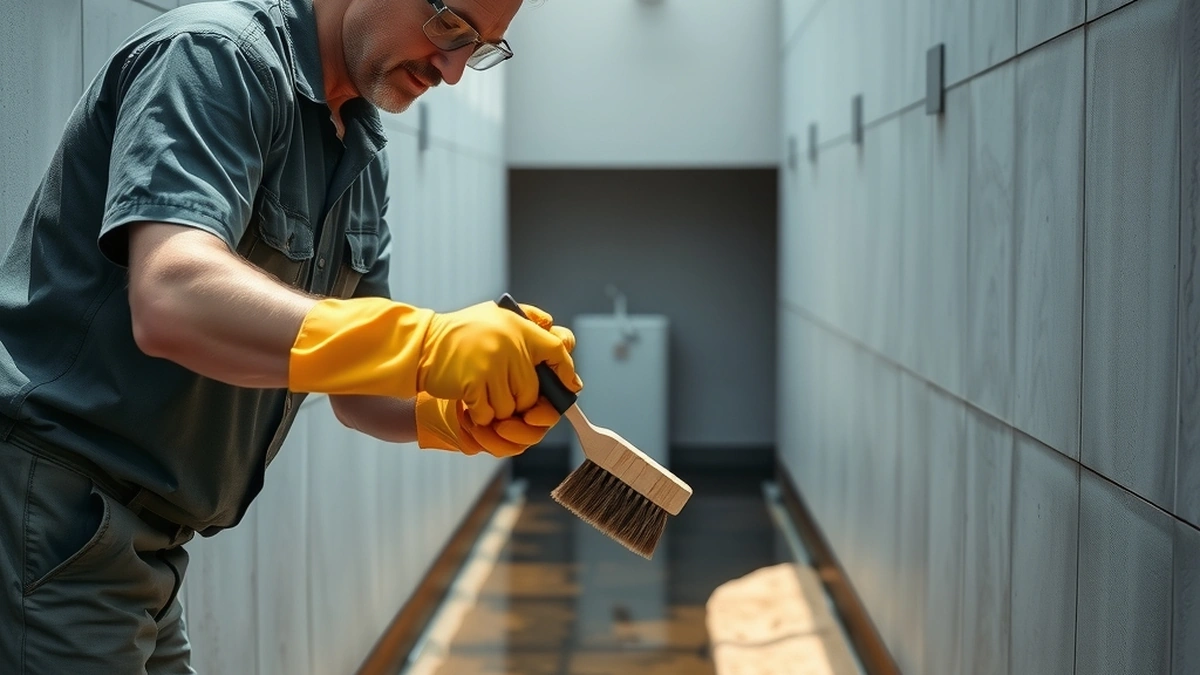
- Days 1-2: drain, remove fittings, chip or sandblast the old finish, expose the shell.
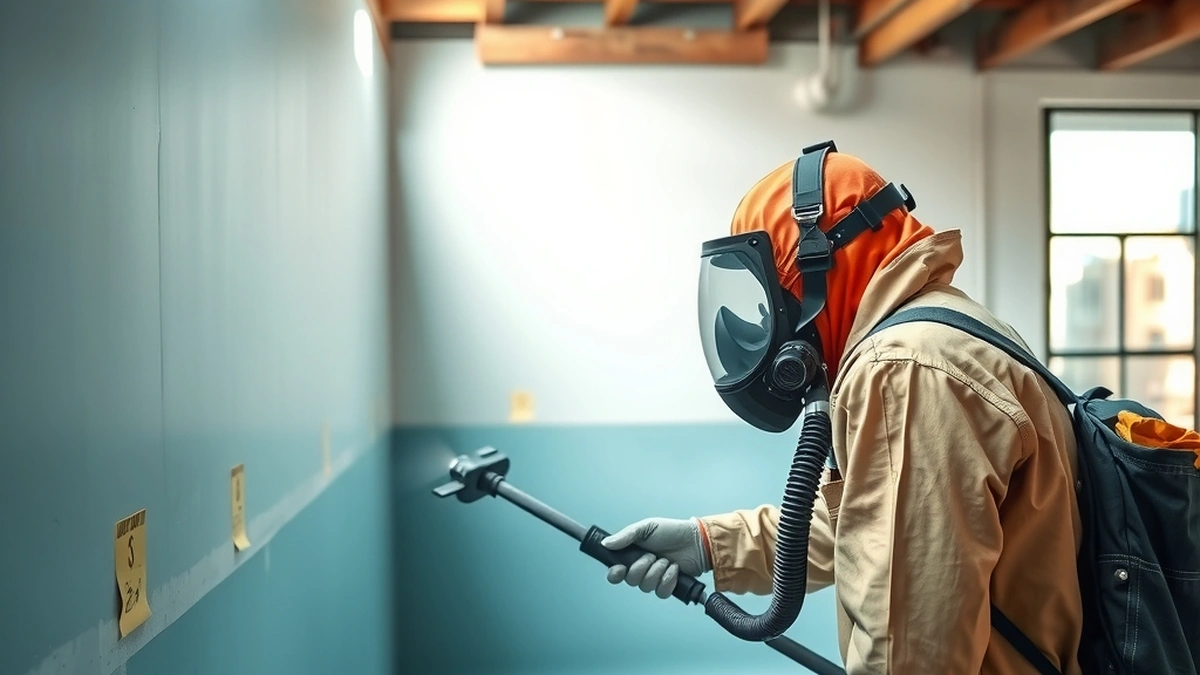
- Days 3-4: repair cracks and delamination, replace tile and coping if they are in scope, apply bond coat.
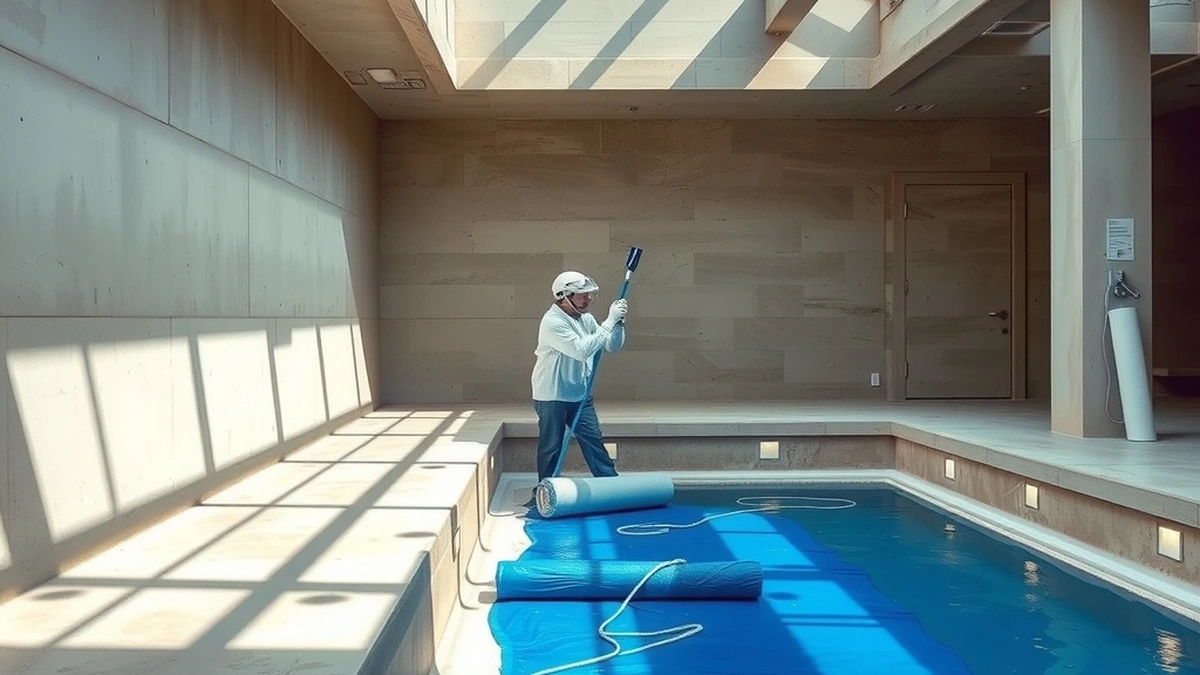
- Days 5-7: apply the finish. Plaster and aggregate are troweled or sprayed and worked while wet; fiberglass is laid up in layers and left to cure.
- Days 7-9: cure the surface wet, then start filling. An 855 square foot pool at 4.5 feet takes about 28,800 gallons.
- Days 9-28: brush twice daily at first, balance pH and alkalinity, no heater for the period the contractor specifies.
- Day 28 onward: the finish is cured. Normal brushing and chemistry continue.
Most pools are swimmable before day 28, but the surface is not finished curing. Treat the first month as part of the job.
Before and after, by problem
| Before | After a resurface | What does not change |
|---|---|---|
| Flaking plaster with grey shell showing | Uniform new surface | A shell that is still moving |
| Rust and organic staining | Clean, non-porous finish | Stains from fill water unless it is treated |
| Rough, sandpaper texture | Smooth plaster or even aggregate | Roughness caused by scale in the plumbing |
| Cracks that return after patching | Repaired and covered | Structural cracks that were not injected |
| Cloudy water and high chlorine demand | Lower demand on a non-porous surface | A filter that is undersized |
| Faded, chalky colour | New colour, consistent across the pool | Sun exposure, which fades any finish eventually |
The third column is the one to read before signing. A resurface fixes the surface. It does not fix the reason the surface failed, and the reason is often water chemistry, a leak, or movement in the shell.
The first 30 days
New plaster looks slightly chalky and can cloud the water for a few days as fines wash off. That is normal. What is not normal is water that stays cloudy past the first week, patches of white powder settling on the floor, or a surface that feels gritty when you brush it.
Brush twice a day for the first week, then daily, then on your normal schedule. Keep pH near 7.4 and alkalinity at 80 to 120 ppm. Do not shock with calcium hypochlorite on fresh plaster, do not run the heater early, and do not assume clear water means the chemistry is right. Pool resurfacing maintenance covers the routine after the cure.
What a resurface will not fix
It will not stop a leak in the plumbing, the skimmer throat, or a light niche. Those are found before the finish goes on, or they are found later with the pool drained again. It will not correct a shell that is moving, and it will not repair a filter or pump that cannot keep up. It will not fix staining caused by fill water high in iron or manganese, which will stain the new surface the same way it stained the old one.
And it will not change the pool’s design. If the steps are awkward or the depth is wrong, a resurface makes those things look new rather than better. Pool resurfacing installation covers what the crew should be doing in each phase, and signs a pool needs resurfacing covers whether you are there yet.
Judging the job before you pay
- Look at the pool full of water in daylight, not at night with the lights on. Shadows hide trowel marks; sunlight does not.
- Check the waterline tile line for level and for grout that has been smeared onto the plaster.
- Check the transition at steps, benches, and the skimmer throat, where thin applications fail first.
- Confirm the surface is uniform when wet and dry. Wet plaster hides mottling that reappears as it dries.
- Hold back final payment until the first chemistry test after refill, and get the startup instructions in writing.
The short version
Before is patchy, stained, and rough; after is uniform, clean, and chemically stable, with a colour that depends on the finish and a texture that depends on the aggregate. Expect five to ten working days on site and 28 days of curing behind it. Budget $4,000 to $10,000 for plaster, $8,000 to $15,000 for pebble, and $1,500 to $5,000 if tile is included. The finish is the visible result; the preparation and the first month are what make it last — how long pool resurfacing lasts puts numbers on that.
Frequently asked questions
How different does a pool look after resurfacing?
The change is mostly uniformity. Stains, patches, and flaking are gone, the colour is consistent across walls and floor, and water looks clearer because the surface beneath it is clean.
How long until a resurfaced pool looks normal?
The surface looks new immediately, but plaster finishes can show light mottling for the first month as they cure. Colour settles over roughly 30 days.
Why is my new plaster blotchy?
Some mottling is normal in cementitious finishes and comes from how the plaster cures. Large, sharply defined patches are an application problem and should be raised with the contractor.
When can I swim after resurfacing?
Most contractors allow swimming within a few days to a week, but the water must be balanced first. Ask for the specific day in writing rather than guessing.
Does resurfacing change the water colour?
Yes. Water takes its colour from what is beneath it, so a dark pebble finish makes the pool look deeper blue or grey, and white plaster keeps it bright and pale.
Will a resurface fix a leaking pool?
It can seal surface cracks in the finish, but leaks in plumbing, fittings, or the shell structure need to be repaired before the new surface goes on.
Sources
Some links are affiliate links.If you buy through them we may earn a commission at no extra cost to you. We do not accept payment for rankings. Read the full disclosure.