Pool Resurfacing vs pool replastering
The difference between resurfacing and replastering, what each method includes, and how the costs compare for a typical pool.
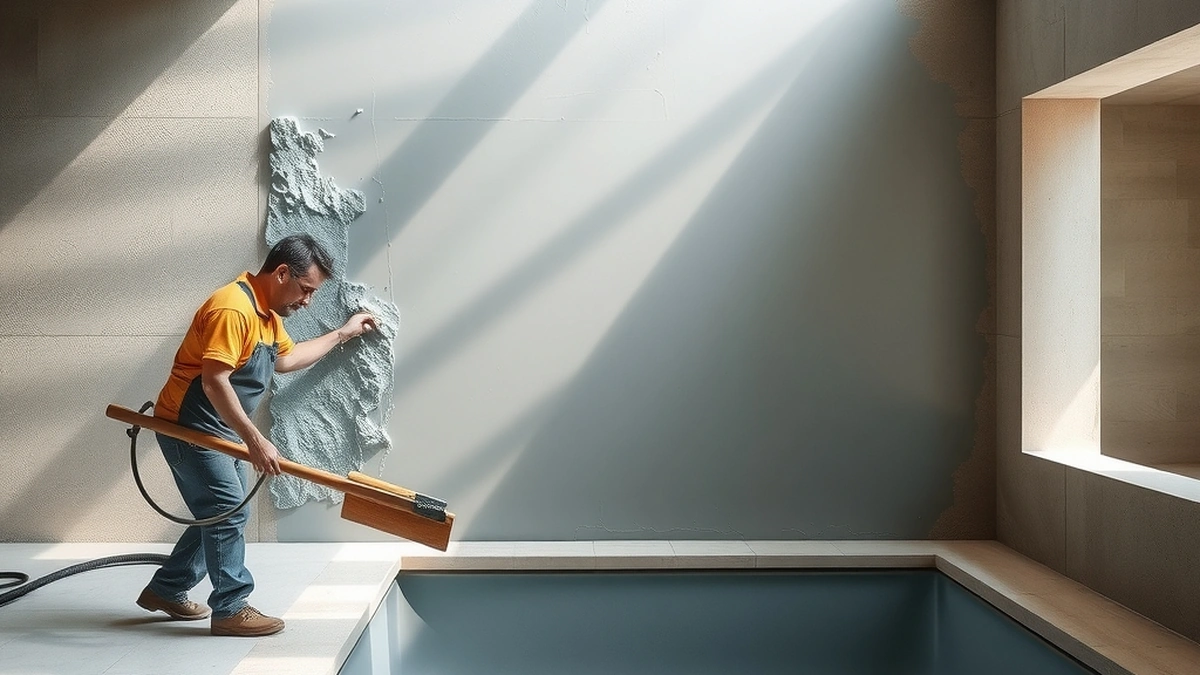
Resurfacing is the general term for replacing a pool's interior finish. Replastering is one method of resurfacing, using cementitious plaster or aggregate, while resurfacing also covers fiberglass overlays, vinyl liners, and tile work.
- White plaster replaster
- $4,000-$10,000
- Quartz aggregate
- $6,000-$12,000
- Pebble finish
- $8,000-$15,000
- Fiberglass overlay
- $5,000-$12,000
Some links on this page are affiliate links.If you buy through them we may earn a commission at no extra cost to you. We do not accept payment for rankings. Read the full disclosure.
Resurfacing and replastering are not competing products; one contains the other. Resurfacing is the general term for replacing a pool’s interior finish, and replastering is the most common method of doing it, using a cementitious plaster or aggregate. The confusion matters because contractors quote the two words at different prices for work that is not always equivalent, and the cheaper quote is sometimes the smaller job.
The definition that settles the argument
Pool resurfacing is the removal of a failed interior finish and the installation of a new watertight surface on the shell. Replastering is a resurfacing method in which that new surface is a cementitious material — white plaster, quartz aggregate, or pebble — troweled or sprayed over a prepared substrate.
So every replaster is a resurface. Not every resurface is a replaster. A fiberglass overlay, a new vinyl liner, and full tile replacement are all resurfacing work, and none of them involves plaster.
What replastering includes
A proper replaster is a sequence, not a single step. The pool is drained, the old finish is chipped off or sandblasted back to the gunite or shotcrete shell, cracks are cut out and patched, delaminated areas are removed, fittings and skimmer throats are checked for leaks, a bond coat is applied, and the new plaster is troweled on. The pool then cures wet for several days and the water is balanced deliberately for the first month.
Two quotes for “replastering” can differ by 40 percent because of where that sequence stops. Bonding new plaster over old plaster without removal is faster and cheaper, and it is legitimate only when the old surface is sound and well adhered. Over a delaminating finish it traps the failure, and the new surface lets go within a few years.
The methods that are not replastering
| Method | What it installs | Typical cost (estimate) | Expected life |
|---|---|---|---|
| White plaster | Troweled cement finish | $4,000-$10,000 | 7-12 years |
| Quartz aggregate | Cement with quartz sand | $6,000-$12,000 | 10-15 years |
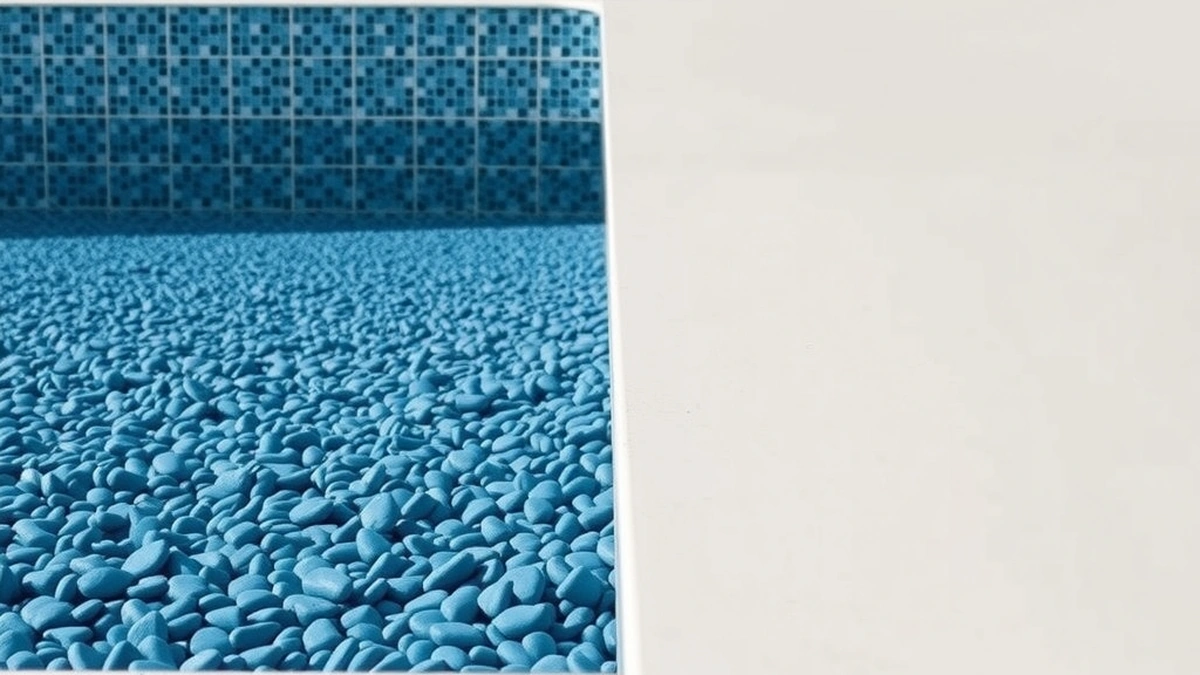
| Pebble finish | Cement with exposed stone | $8,000-$15,000 | 15-20 years |
| Fiberglass overlay | Resin and glass mat | $5,000-$12,000 | 10-15 years |
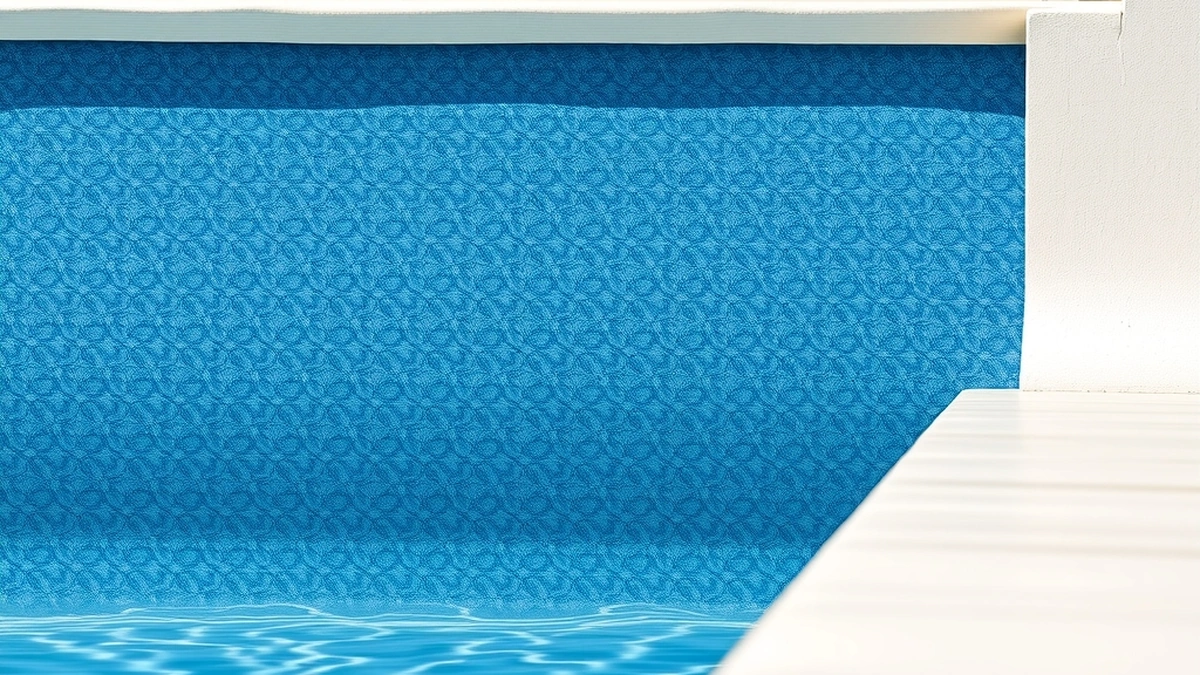
| Vinyl liner | PVC membrane | $2,500-$7,500 | 5-10 years |
| Tile replacement | Ceramic or glass tile | $1,500-$5,000 | Varies |
The first three are replastering. The last three are resurfacing without plaster, and each solves a different problem. A fiberglass overlay is chosen when the shell has repeated cracking or widespread delamination. A vinyl liner is chosen when the budget is tight and the shell can be smoothed. Tile replacement addresses the waterline band only and leaves the floor and walls alone.
Cost comparison on the same pool
Take a 15 foot by 30 foot rectangular pool. The floor is 450 square feet (15 × 30). The perimeter is 90 feet (15 + 30 + 15 + 30). At an average depth of 4.5 feet, wall area is 90 × 4.5 = 405 square feet, so total interior surface is about 855 square feet.
At that size, white plaster replastering at $4,000 to $10,000 works out to $4.68 to $11.70 per square foot of interior surface. Pebble at $8,000 to $15,000 is $9.36 to $17.54. A fiberglass overlay at $5,000 to $12,000 is $5.85 to $14.04. The ranges overlap heavily, which is the practical point: on a mid-size pool, the method matters less to the total than the condition of the shell and the amount of repair included.
Add tile at $1,500 to $5,000 and the arithmetic shifts. A plaster replaster plus new waterline tile on this pool is $5,500 to $15,000; the same with pebble is $9,500 to $20,000. The full pool resurfacing cost breakdown covers regional labor differences that push these numbers either way.
Which one your pool actually needs
- Drain the pool or have it drained, and look at the shell with the water out. Staining and roughness are surface problems; hollow patches and cracks are shell problems.
- Tap the finish with a screwdriver handle. A dull thud instead of a sharp tick means delamination, and the area has to come off before anything new goes on.
- Measure crack width. Hairline cracks under 1/16 inch are usually cosmetic; anything wider, or a crack that repeats after patching, needs structural repair first.
- Pressure-test the plumbing and check the skimmer throat and light niches before the new finish goes on. A leak at a fitting found after replastering means draining the pool again.
- Get quotes in the same vocabulary. Ask each contractor to state the removal method, the repair scope, and the finish material, in writing.
Step five is where most homeowners get caught. A quote that says “resurface” for $4,500 may be a bond coat and a thin plaster skim. A quote that says “replaster” for $9,000 may include full chip-out, two crack repairs, and new tile. Those are not competing offers; they are different jobs.
Where replastering is the right answer
Replastering wins when the shell is structurally sound and the finish has simply worn out. It is also the only route to a pebble or quartz surface, which is what most homeowners want for longevity. If the pool is 15 to 25 years old, has original plaster, and shows flaking or roughness but no movement, plaster or quartz over a properly prepared shell is the straightforward choice.
Where it is the wrong answer
Replastering is the wrong answer when the shell is moving, when delamination covers a large share of the surface, or when the pool has been replastered twice in 20 years and failed both times. In those cases a fiberglass overlay or a vinyl liner changes the system rather than repeating it. It is also the wrong answer if the budget only covers a bond coat over a failing surface, which is a resurface in name only.
Whichever route you take, the surface is only half the project. Pool resurfacing installation covers what the crew should be doing on site, and refinish vs resurface untangles the third word contractors use for the same work.
The short version
Replastering is a subset of resurfacing, not an alternative to it. If a quote says resurface, ask what material and what removal method; if it says replaster, ask whether the old finish is coming off. The answer to those two questions tells you more about the price than the label at the top of the page.
Frequently asked questions
Is resurfacing the same thing as replastering?
No. Replastering is one resurfacing method. Resurfacing also includes fiberglass overlays, vinyl liner installation, and full tile replacement.
How much does replastering a pool cost?
White plaster replastering runs about $4,000 to $10,000 for a typical residential pool. Quartz aggregate costs $6,000 to $12,000 and pebble finishes $8,000 to $15,000.
Why do contractors use different words for the same job?
Plasterers quote replastering because that is the trade they perform. Contractors who install fiberglass or vinyl quote resurfacing, because the work is not plaster at all.
Can a pool be resurfaced without replastering?
Yes. A fiberglass overlay at $5,000 to $12,000 covers the shell without new plaster, and a vinyl liner replaces the surface with a membrane instead of a troweled finish.
Does replastering fix cracks in the pool shell?
Only if the cracks are cut out and repaired before the new plaster goes on. Plaster applied over an active crack will crack again in the same place.
Which lasts longer, replastering or a fiberglass overlay?
Both are usually estimated at 10 to 15 years. White plaster is often given 7 to 12 years, while pebble finishes reach 15 to 20.
Sources
Some links are affiliate links.If you buy through them we may earn a commission at no extra cost to you. We do not accept payment for rankings. Read the full disclosure.