Inground pool resurfacing
Inground pool resurfacing: practical numbers, costs, and trade-offs, written independently.
Inground pool resurfacing: practical numbers, costs, and trade-offs, written independently. The guide below shows the numbers and the trade-offs.
- Typical range
- Varies by system and site
- First step
- Measure the space and confirm the load
- Professional help
- Recommended for structural or electrical work
Some links on this page are affiliate links.If you buy through them we may earn a commission at no extra cost to you. We do not accept payment for rankings. Read the full disclosure.
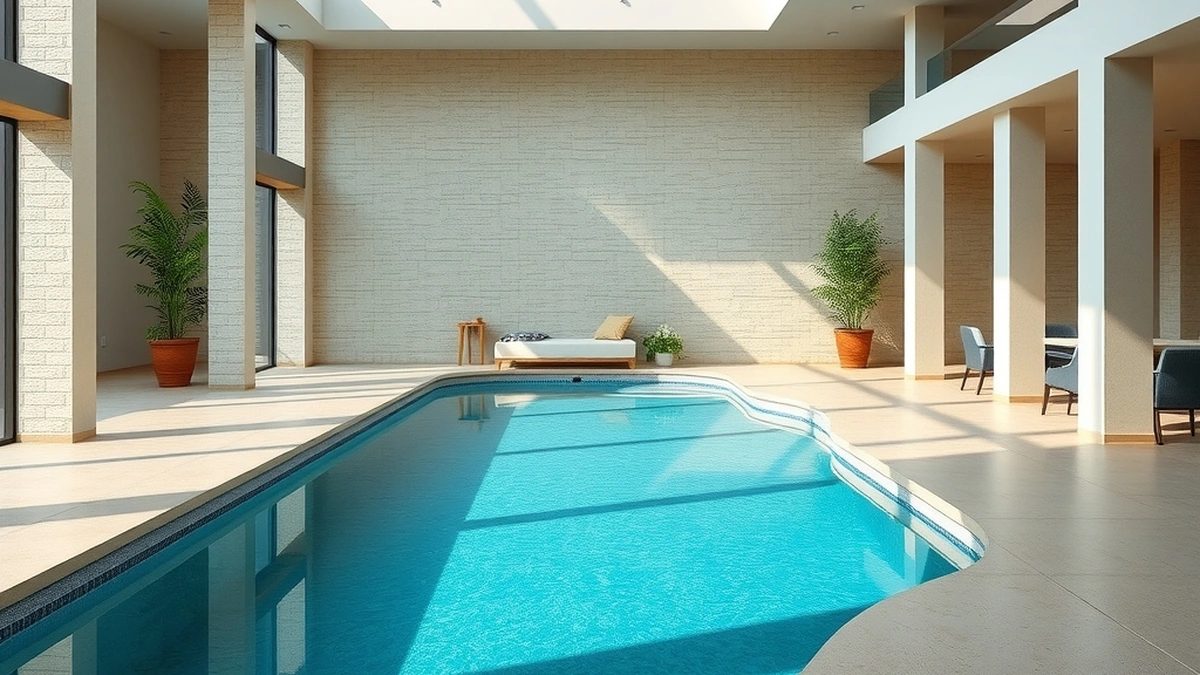
Resurfacing an inground pool means removing the old interior finish, preparing the shell, and applying a new surface — typically plaster, quartz, or pebble — over roughly 900 square feet of floor and wall on a standard pool. In the US that runs $4,000 to $15,000 depending on the finish, with most of the difference coming from material and the labor hours it takes to apply and cure it. It is a scheduled maintenance job, not an emergency repair, and the pools that come out best are the ones where the prep was not rushed.
What the job involves
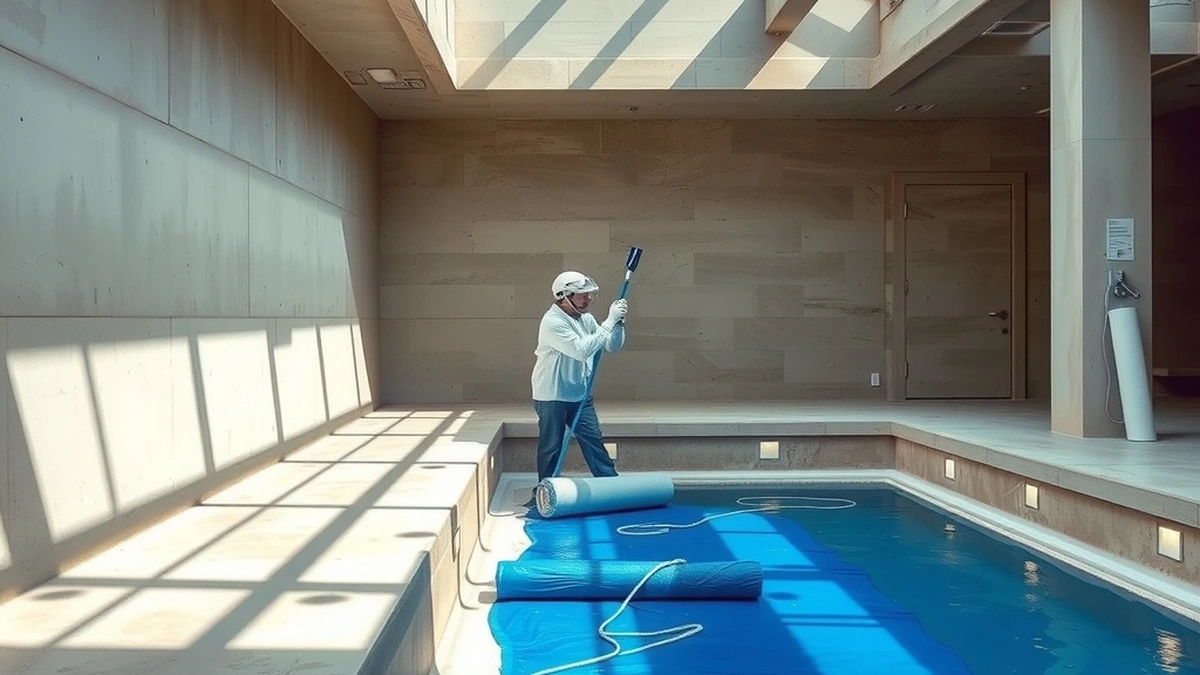
Inground resurfacing is the replacement of the water-facing layer of the pool shell, from the floor and walls up to the tile line. The old finish is chipped or ground away, the shell is cleaned and repaired, a bond coat goes on, and the new finish is troweled or sprayed into place before the pool is refilled.
It is different from an acid wash, which cleans the existing surface without adding material, and different from a tile replacement, which only addresses the band at the waterline. Both are covered below because they are frequently quoted alongside a resurface and frequently confused with one.
Measuring the surface you are paying for
Contractors price by surface area, so it is worth working out your own number before you compare quotes. A 15-foot by 30-foot rectangular pool with an average depth of 5 feet gives:
- Floor: 15 × 30 = 450 square feet
- Wall perimeter: 2 × (15 + 30) = 90 linear feet
- Wall area: 90 × 5 = 450 square feet
- Total: 450 + 450 = 900 square feet
A freeform pool with steps, a sun shelf, and a spa spillover adds area that a simple rectangle calculation misses, which is why the contractor’s measurement will usually be higher than yours. Ask for the measured area in the quote so you can check the rate.
The options and what they cost
| Finish | Cost range | Character |
|---|---|---|
| White plaster | $4,000–$10,000 | Traditional, smooth, lowest cost |
| Quartz aggregate | $6,000–$12,000 | Denser surface, speckled color |
| Pebble finish | $8,000–$15,000 | Exposed aggregate, textured |
| Fibreglass overlay | $5,000–$12,000 | Seamless coating over a prepared shell |
| Tile replacement | $1,500–$5,000 | Waterline band only, not a resurface |
| Acid wash | $400–$800 | Cleaning only, not a resurface |
At 900 square feet, white plaster works out to $4,000 ÷ 900 = $4.44 per square foot at the low end and $10,000 ÷ 900 = $11.11 at the high end. Pebble runs $8,000 ÷ 900 = $8.89 to $15,000 ÷ 900 = $16.67 per square foot. Those per-foot figures are the ones to compare when a quote arrives with a lump sum.
The sequence of work
- Drain the pool and isolate the equipment.
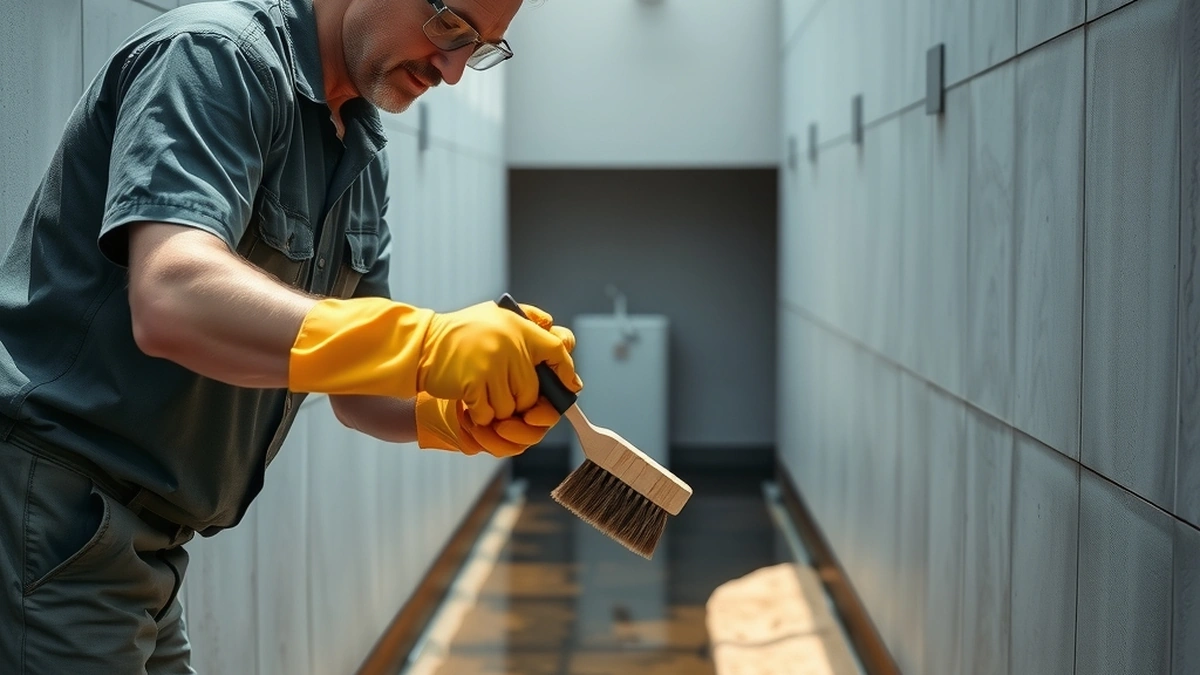
- Chip or grind off the old finish down to sound shell, paying particular attention to hollow areas and the tile line.
- Repair cracks, spalls, and any exposed rebar or fittings, then clean the shell.
- Apply a bond coat so the new finish grips the substrate.
- Apply the finish in one continuous operation, working from the deep end up so the material does not set before it is troweled.
- Cure the surface and refill on the schedule the finish requires, then balance the water.
The whole job usually takes five to ten working days, weather and curing included. A pool left empty longer than necessary is a pool at risk of shell movement, so the schedule matters as much as the technique.
Why prep decides the outcome
Most resurfacing failures are bond failures, and bond failures start in step two. A finish applied over a shell that still has loose material, dust, oil, or moisture will separate — sometimes within a season, sometimes after three. The symptom is the same hollow tap described in delamination signs.
That is why a quote that is significantly cheaper than the others usually has a thinner prep scope. Ask what is being removed, how hollow areas are treated, and whether a bond coat is included. If the answer is vague, the price is not comparable.
Curing and start-up
Plaster and aggregate finishes cure under water, which means the refill schedule is part of the job, not an afterthought. Traditionally the pool is filled immediately after the finish is placed, and the water is managed carefully for the first few weeks — brushing, filtering, and keeping the chemistry in the range the finish manufacturer specifies.
Rushing this stage causes the surface to cure unevenly, which shows up later as mottling, fine cracks, or a chalky patch that never quite settles. Follow the contractor’s start-up sheet rather than a generic routine, because different finishes want different water.
What adds to the bill
The base range assumes a straightforward drain, chip, and finish. Several things push a quote upward.
Coping replacement adds a separate line, and pool deck work adds another. Tile at the waterline is $1,500 to $5,000 on its own. A leaking fitting or skimmer found during the chip-out needs repair before the new finish goes on. Poor access for a pump truck or a debris container adds labor. And a shell with structural cracks may need more than a finish — a fibreglass overlay at $5,000 to $12,000, or in the worst case, shell repair before any resurfacing.
Choosing a contractor
Get three quotes on the same measured area and the same finish. Ask to see two pools the contractor resurfaced at least three years ago, and look at the waterline and the steps, where failures show first. Confirm the start-up schedule in writing, along with what happens if the finish fails within its warranty period.
For the wider cost picture, see how much pool resurfacing costs and pool resurfacing cost per square foot. If you are still choosing a finish, plaster vs quartz and pool resurfacing options compare the materials directly. And if the shell has structural damage rather than a worn surface, refinish vs resurface a pool explains the fork in the road.
Frequently asked questions
What is the most important measurement?
Start with the ceiling or clearance number; it decides which systems can fit.
What does a typical project cost?
Costs vary by system and site access; the guide shows the line items and a planning range.
Can I install this myself?
Some tasks are DIY-friendly, but structural, electrical, and load-bearing work should be done by a licensed professional.
How long does installation take?
A simple setup is a weekend; a full build with electrical or structural work can take several weeks.
What should I check before buying?
Confirm dimensions, load ratings, and the manufacturer's installation requirements for your exact model.
Where can I find local help?
Ask a licensed contractor or installer who has worked with the same system and can inspect your site.
Sources
Some links are affiliate links.If you buy through them we may earn a commission at no extra cost to you. We do not accept payment for rankings. Read the full disclosure.