Rough or pitted plaster: preventing the dissolution
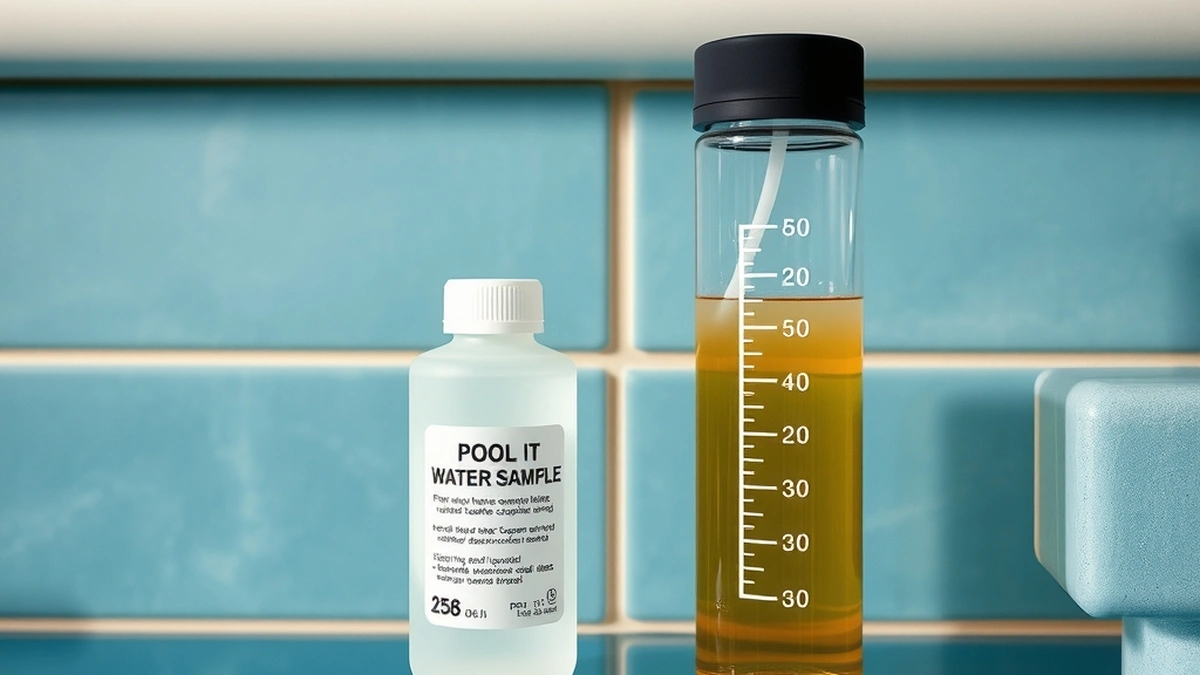
Rough plaster comes from aggressive water dissolving the cement. Keep pH at 7.2 to 7.8, alkalinity at 80 to 120 ppm, and calcium at 250 to 400 ppm.
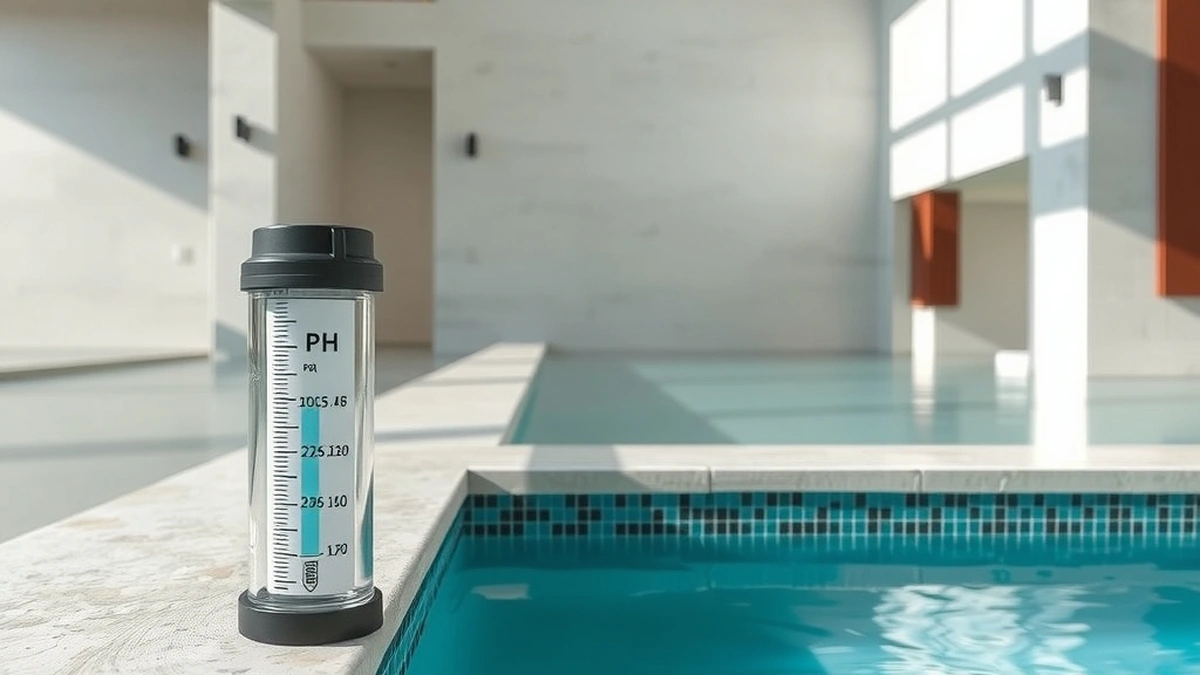
Prevent rough plaster by keeping pH at 7.2 to 7.8, total alkalinity at 80 to 120 ppm, and calcium hardness at 250 to 400 ppm, and by brushing weekly. Balanced water costs $40 to $120 a month and prevents a $4,000 to $10,000 replaster.
- pH target
- 7.2 - 7.8
- Alkalinity
- 80 - 120 ppm
- Calcium hardness
- 250 - 400 ppm
- Chemical cost
- $40 - $120 per month
Some links on this page are affiliate links.If you buy through them we may earn a commission at no extra cost to you. We do not accept payment for rankings. Read the full disclosure.
Rough plaster is preventable, and the prevention is water chemistry rather than a product. Keep pH at 7.2 to 7.8, total alkalinity at 80 to 120 ppm, and calcium hardness at 250 to 400 ppm, and the cement matrix stays intact. Let the pH sit at 6.8 for a season and the surface etches, pits, and needs a $4,000 to $10,000 replaster.
The mechanism in one paragraph
Plaster is cement and marble dust. The cement is what holds the marble, and cement dissolves when water is undersaturated with calcium. Low pH and low calcium hardness both make water undersaturated, so it pulls calcium out of the surface.
The marble dust does not dissolve at the same rate. It stays, the cement around it goes, and the surface becomes rough. That is why rough plaster feels gritty rather than worn smooth: the aggregate is standing proud of a receded matrix.
The three numbers that matter
| Parameter | Target | What drift does |
|---|---|---|
| pH | 7.2 - 7.8 | Below 7.0 dissolves plaster |
| Total alkalinity | 80 - 120 ppm | Low allows pH to swing |
| Calcium hardness | 250 - 400 ppm | Low pulls calcium from the surface |
| Free chlorine | 1 - 3 ppm | High doses can bleach and etch |
| Cyanuric acid | 30 - 50 ppm | Buffers chlorine, affects dosing |
pH is the number to watch most closely, because it moves fastest and does the most damage. Alkalinity is the buffer that keeps pH from swinging, so a pool with low alkalinity will have a pH that lurches after every correction.
Calcium hardness is the number most often ignored. Water below 250 ppm is hungry for calcium and will take it from the plaster. Water above 400 ppm deposits scale, which is a different problem with a similar look.
What a swing costs
A pool run at pH 6.8 for a month loses a measurable layer of cement. Run that way for a season and the damage is visible: the walls feel chalky, the floor is rough, and the waterline shows a band of exposed aggregate.
Correcting a pH of 6.8 back to 7.4 takes a few dollars of soda ash. Replastering the pool takes $4,000 to $10,000. The ratio is the entire argument for testing twice a week rather than once a month.
Testing and correcting
Test pH and free chlorine twice a week in season. Test alkalinity and calcium hardness monthly, and after any heavy rain or large water addition.
Correct in small steps. Raise pH with soda ash, lower it with muriatic acid, raise alkalinity with bicarbonate, and raise calcium with calcium chloride. Add one chemical at a time, circulate, and retest before adding the next, because two corrections at once can push a different number out of range.
Never add chemicals to a pool that is not circulating, and never mix them together. Those are the two rules that prevent most chemistry accidents.
Brushing and circulation
Brush the walls and floor weekly with a soft head. Brushing removes the film where scale and organic material collect, and it keeps the surface from developing the uneven patches that trap debris and hold water against the plaster.
Circulation matters as much. Dead spots in the pool, usually behind the steps or at the far end from the returns, develop different chemistry from the rest of the pool, and those are the places where etching and scaling start.
Before the floor goes rough, the waterline shows the trend. The band of plaster just above the water is alternately wet and dry, and it concentrates whatever the chemistry is doing. Chalky white streaks, a gritty ring, or a line of small pits are the earliest visible evidence.
Check that band when you brush. If it wipes chalky onto a hand, the matrix is already giving up material, and the fix is chemistry rather than a repair. Catching it there is the difference between a $40 correction and a $4,000 resurface.
Waterline signs, refills, and startup
New plaster has its own startup. Brush twice a day for the first week, keep the pH slightly low for the first few days as the plaster cures, and do not shock the pool for the first two weeks.
The startup is the period when a new surface is most vulnerable, and it is also when owners are most likely to leave the chemistry alone because the water looks clean. A new plaster pool that is not brushed and balanced in the first month can develop a rough patch that lasts the life of the finish.
Six habits that prevent pitting
- Test pH and chlorine twice a week in season.
- Hold alkalinity at 80 to 120 ppm so pH does not swing.
- Check calcium hardness monthly and correct toward 300 ppm.
- Brush weekly, especially at the steps and the waterline.
- Correct chemistry in small steps and retest between.
- Check the circulation pattern and eliminate dead spots.
Step six is the one that is invisible until it causes a problem. Drop a dye tablet at the far end of the pool and watch where it goes; if it sits, that corner has different water from the rest.
The short version
Rough plaster is dissolved cement, and dissolved cement is a chemistry problem. Hold the three numbers, brush weekly, and correct in small steps. The repair options once the damage is done are in rough or pitted plaster: repair options, the cost is in rough or pitted plaster: what a fix costs, and the signs are in rough or pitted plaster: warning signs.
Frequently asked questions
What causes rough pool plaster?
Aggressive water. Low pH, low alkalinity, or low calcium hardness dissolves the cement matrix and leaves the aggregate standing proud. The surface then feels like sandpaper and pits where the cement has gone.
What water chemistry prevents plaster damage?
pH 7.2 to 7.8, total alkalinity 80 to 120 ppm, calcium hardness 250 to 400 ppm, and free chlorine 1 to 3 ppm. Stability matters more than any single reading, because swings do the damage.
Does low pH damage plaster?
Yes. Water below pH 7.0 is aggressive and dissolves calcium from the surface. A pool run at 6.8 for a season will show etching on the walls and a rough floor by the following spring.
How often should I test the water?
Twice a week in season for pH and chlorine, and monthly for alkalinity and calcium hardness. Test after heavy rain, after a big bather load, and after any chemical correction.
Can I reverse pitting once it starts?
No. Pitting is lost material, and it cannot be added back without a new finish. Prevention is the only treatment that works; once the aggregate is proud, only a patch or a resurface restores the surface.
Does brushing help prevent rough plaster?
It helps. Weekly brushing with a soft head removes the film where scale and organic material collect, and it keeps the surface from developing the uneven patches that hold debris.
Sources
Some links are affiliate links.If you buy through them we may earn a commission at no extra cost to you. We do not accept payment for rankings. Read the full disclosure.